Receiving an unexpected bill from a carrier after your international package has already been delivered is frustrating. If you use international shipping services, you will eventually encounter a bill labeled as a FedEx duty and tax invoice. This document itemizes government-levied import fees, carrier processing costs, and local taxes required to move commercial goods across borders.
Understanding how to read this statement protects your profit margins and ensures your business maintains proper import compliance. Customs agencies do not collect these fees directly from international couriers at the moment of border entry; instead, carriers like FedEx advance the capital to clear your items quickly, then bill you afterward.
What is a FedEx Duty and Tax Invoice?
A FedEx duty and tax invoice is a separate billing statement sent to the importer or exporter when international shipments incur government customs charges. It is distinct from your initial shipping rate bill, which only covers transportation.
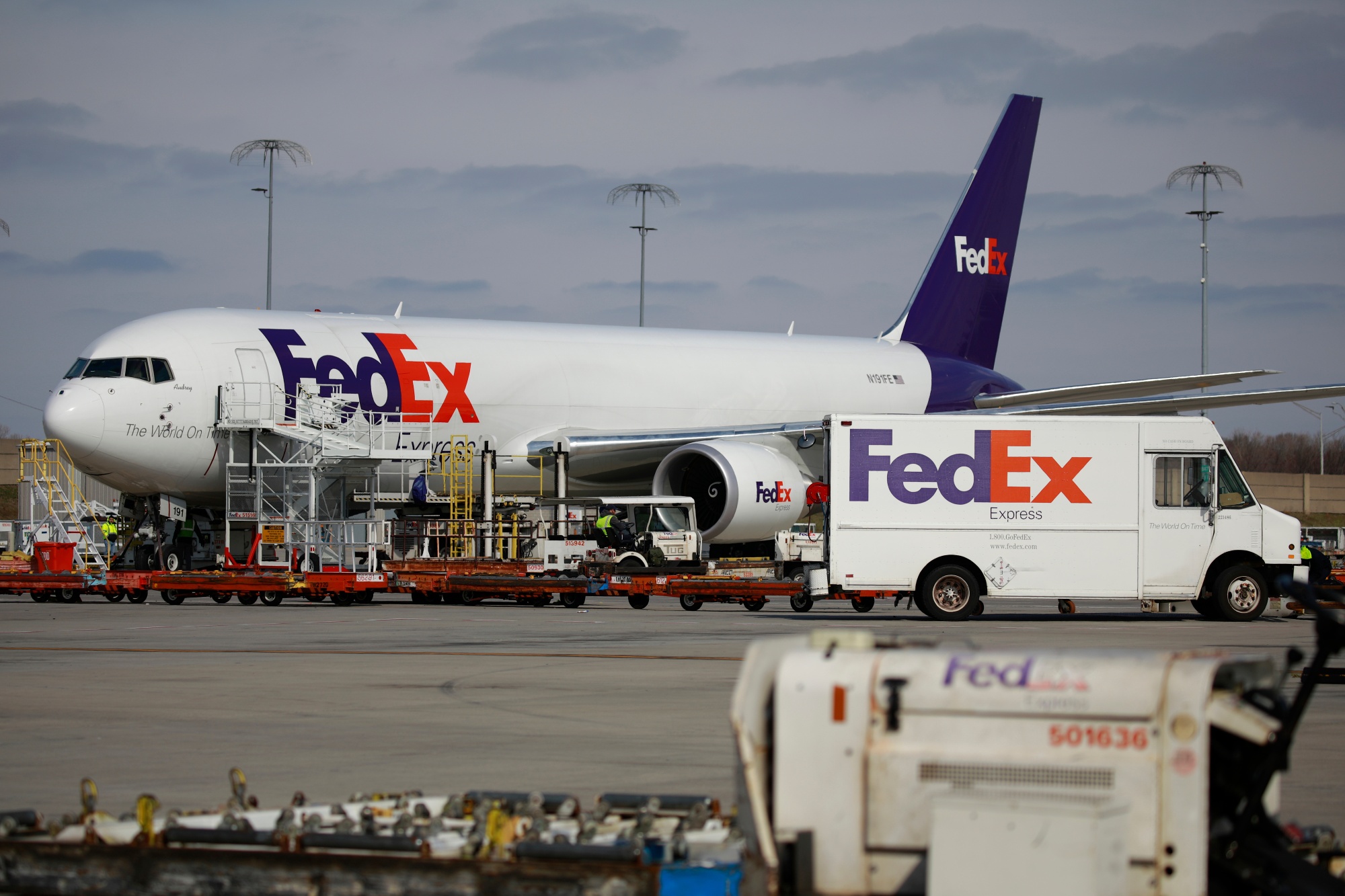
When your box arrives at a destination country, local customs authorities evaluate the contents based on the commercial invoice. They calculate tariffs using the declared value, the nature of the items, and their Harmonized System (HS) codes. For another look on this event, check out the latest coverage from Reuters.
Because delays cost money, FedEx often acts as a customs broker. They pay the import tariffs and value-added taxes on your behalf so the package can continue moving toward its destination. The duty and tax invoice is the carrier's request for reimbursement, alongside any administrative fees incurred during the brokerage process.
Anatomy of the Invoice: Key Line Items Explained
Reading this document requires looking past the total balance due and examining the specific fee breakdowns. Most statements are split into government-assessed charges and carrier-assessed fees.
Customs Duties
Duties are direct tariffs imposed by the destination country's government on imported merchandise. The percentage charged depends entirely on the product category and trade agreements between the origin and destination countries. For example, industrial machinery often carries a different tariff rate than consumer textiles.
Taxes and Value-Added Assessments
Depending on where your shipment lands, local governments assess consumption taxes. In Canada, this includes the Goods and Services Tax (GST) or Harmonized Sales Tax (HST). In European nations, it appears as Value-Added Tax (VAT). These taxes are usually calculated based on the cumulative total of the item's purchase price, insurance, and freight costs.
Disbursement Fees and Brokerage Surcharges
Carriers charge ancillary fees for paying government tariffs upfront. This is commonly called a disbursement fee or brokerage fee. FedEx charges this fee to cover the administrative labor of clearing customs and advancing funds to state authorities. The fee is typically a flat rate or a small percentage of the total duties paid, whichever is greater.
Why You Received the Invoice
Import charges depend heavily on the designated Incoterms (International Commercial Terms) selected when the shipment was booked. Understanding these terms clarifies who holds financial responsibility for the bill.
- Delivered Duty Paid (DDP): The shipper agrees to cover all import duties, taxes, and clearance fees. If you received an invoice under a DDP agreement, an error occurred during booking, and you should contact FedEx billing support to have charges reassigned to the shipper's account.
- Delivered Duty Unpaid (DDU) or Delivered At Place (DAP): The recipient or importer of record is legally responsible for all entry fees. If you are the buyer or importer, receiving this invoice is expected behavior.
Another common trigger is an incorrect or vague product description on the original commercial invoice. If customs officers cannot verify the material composition or value of an item, they may reclassify it into a higher tax bracket, resulting in a steep, unexpected duty charge on your invoice.
How to Dispute or Resolve Incorrect Charges
If the figures on your statement look wrong, you have the right to request a formal review. Do not simply ignore the bill, as unpaid accounts can lead to collection actions or suspended shipping privileges.
- Gather Documentation: Pull your original commercial invoice, air waybill, proof of payment, and product specification sheets.
- Identify the Discrepancy: Determine whether the error stems from an incorrect item valuation, a wrong HS code classification, or a duplicate billing cycle.
- Contact FedEx Billing Support: Submit a dispute through the official FedEx Customer Support portal or call their billing department directly. Reference your tracking number and invoice ID.
- Maintain Records: Keep all correspondence until the adjustment is reflected on a revised statement.
Frequently Asked Questions
Why is the FedEx fee sometimes higher than the actual duty?
Carrier disbursement fees often have a minimum baseline charge. If you import a low-value item that incurs two dollars in government duty, the carrier's administrative handling fee may still apply at its standard minimum rate, making the processing fee look disproportionately high.
Can I pay my duties and taxes before delivery?
Yes. You can set up a profile through online shipping management tools to pay estimated duties electronically prior to border crossing, which prevents delivery holds and eliminates surprise post-delivery invoices.
Who is considered the importer of record?
The importer of record is the entity legally responsible for ensuring the goods comply with local import laws and paying all associated tariffs. This is usually the recipient of the package unless specified otherwise in the shipping contract.
How long do I have to pay a FedEx duty invoice?
Standard commercial billing terms typically require payment within 15 to 30 days of the invoice date. Review the specific payment terms printed in the top right corner of your physical or digital statement to avoid late fees.