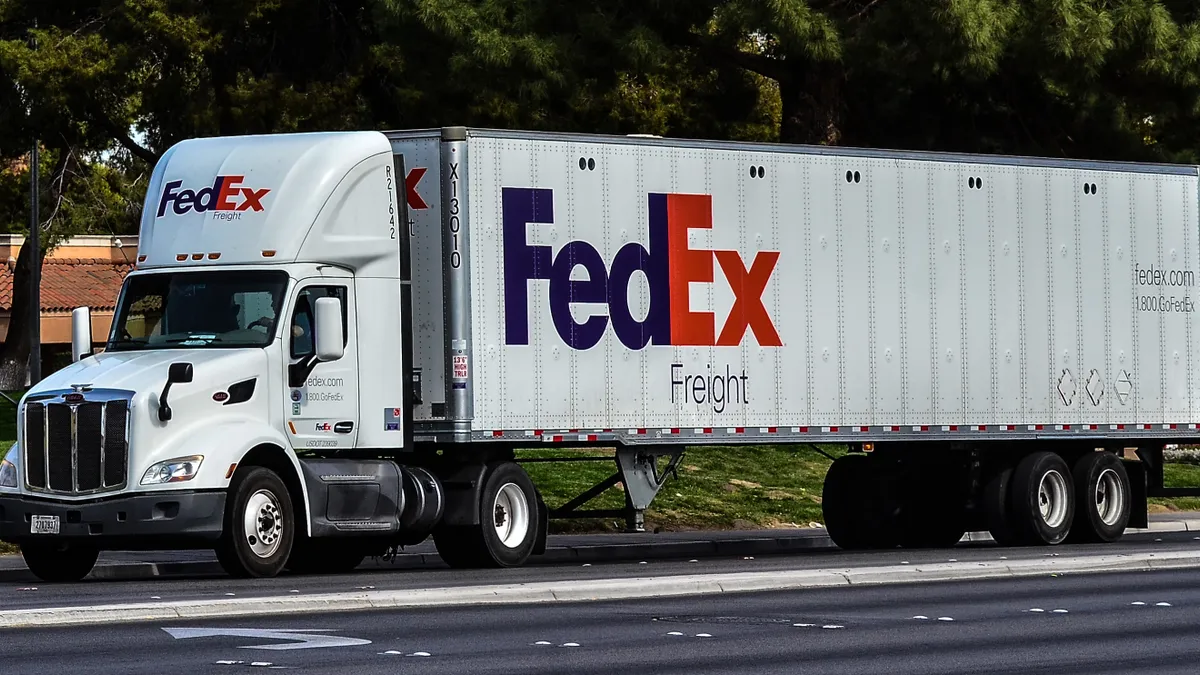
The partnership between FedEx and Walgreens transformed retail real estate into a massive last-mile distribution network. Instead of building standalone shipping hubs, carriers can lean on neighborhood brick-and-mortar stores to solve the costly return-to-origin problem. By embedding package drop-offs and pickups inside thousands of pharmacies, both brands tapped into consumer convenience while optimizing urban logistics.
Consumers increasingly want control over when and where packages land. Traditional home delivery leaves packages vulnerable to porch theft, and missing a signature means chasing a truck to an out-of-the-way depot. Turning local pharmacies into secure delivery lockers bridges this gap. This analysis explores how the collaboration functions, why last-mile delivery economics demand it, and what users need to know to use the service effectively.
Mechanics of the Pharmacy Partnership
Integrating shipping services into a national pharmacy chain requires tight technical alignment between carrier routing software and retail point-of-sale systems. When a customer selects a Walgreens location through FedEx Delivery Manager, the package moves through standard commercial line-hauls until it reaches local sorting facilities. From there, it drops into regular store delivery manifests alongside retail inventory totes.
Inside the store, the process relies on existing floor space. Most locations designate the photo counter or a dedicated shipping desk for parcel transactions. Store employees use handheld scanners to log incoming shipments and process customer drop-offs, syncing inventory status back to the carrier database in real time.
Pickup Workflow
- Log into your delivery profile online or via the mobile application.
- Choose a nearby pharmacy branch using the map interface.
- Wait for the arrival notification confirming the package is ready.
- Bring a valid government-issued photo ID to the counter.
Drop-Off Workflow
- Securely pack and tape your item.
- Attach a prepaid carrier label or pull up a return QR code on your phone.
- Hand the item to the store employee for scanning and receipt generation.
Last-Mile Economics and Strategic Value
Last-mile delivery eats up a massive share of total shipping costs. Failed first-attempt home deliveries force drivers to loop back or deposit items at distant regional facilities, which burns fuel and labor hours. Retail pickup points shift that labor burden to a stationary physical footprint where customers already go for prescriptions or groceries.
Pharmacy chains benefit from this foot traffic. Someone stopping by to pick up an online order often picks up convenience items, snacks, or health products while walking through the aisles. For the carrier, route density improves dramatically. Dropping fifty packages at a single retail address takes a fraction of the time required to deliver those same fifty packages to fifty different suburban porches.
This operational efficiency also combats the growing financial drain of e-commerce returns. Retailers and shipping providers need physical nodes where consumers can hand off returns without printing labels at home. The ability to scan a return QR code directly off a smartphone screen removes friction for the buyer while keeping return pipelines moving.
Operational Constraints and Limits
While the network covers thousands of ZIP codes, it isn't an open-ended industrial warehouse. Physical space inside a retail pharmacy is finite, which introduces strict limitations on what the system can accept:
- Weight Limits: Individual parcels cannot exceed 55 pounds.
- Dimension Caps: Maximum box dimensions are restricted to 48 by 25 by 25 inches.
- Prohibited Goods: Hazardous materials, dry ice, live animals, and items requiring temperature-controlled storage are strictly banned.
If a parcel exceeds these thresholds, the system automatically rejects the destination request, forcing the user to route it to a dedicated commercial freight station instead.
Frequently Asked Questions
Are there extra fees for shipping to a local pharmacy?
No. Using a retail partner location for pickup or drop-off costs nothing extra beyond standard postage or freight charges.
How long will the store hold my parcel?
Staff will hold incoming packages for up to seven days. If uncollected after a week, the item goes back into the transit network and heads toward a regional holding facility.
Can someone else collect a package on my behalf?
The person named on the shipping label must pick up the item. Staff require a matching government-issued photo ID. If the address on the ID differs from the label, secondary proof like a utility bill or work badge is necessary.
What happens if I don't have a printer for my return label?
You don't need one. Many participating online retailers provide a mobile return QR code. Store associates can scan that code off your phone screen and print the physical label right at the counter.



