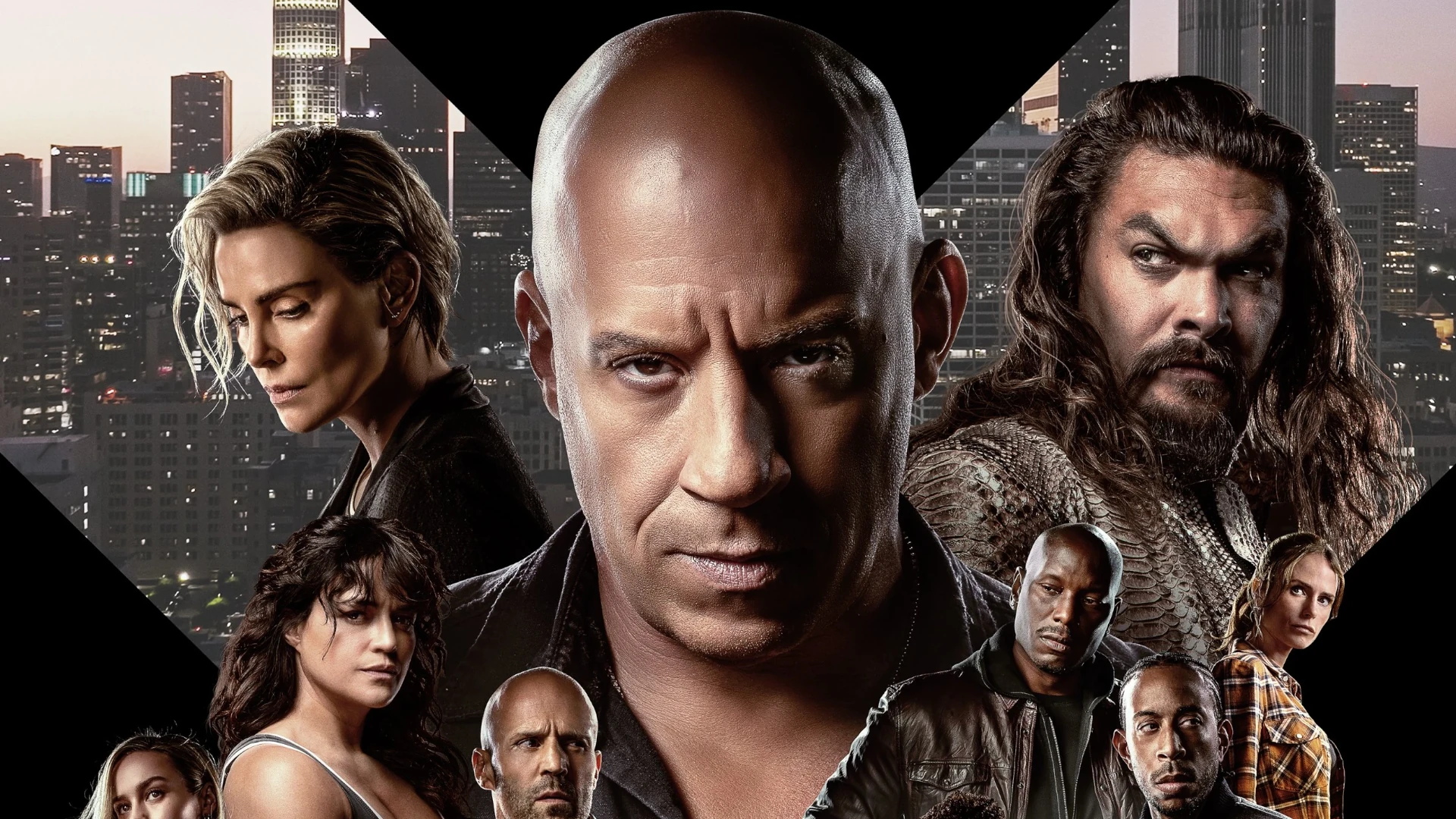
When Fast Five hit theaters in 2011, Hollywood assumed it was just another desperate sequel for a sputtering street-racing brand. Instead, director Justin Lin and writer Chris Morgan pulled off a risky pivot. They transformed a mid-tier car-culture series into a global heist phenomenon. The secret wasn't just the physics-defying stunts or the sun-drenched favelas of Rio de Janeiro. It was the deliberate assembly of a multi-movie ensemble cast. By uniting characters from across four distinct, disconnected sequels, the production blueprint changed how modern blockbusters handle shared universes and team dynamics.
Action cinema prior to 2011 relied heavily on the solitary powerhouse—a lone wolf clearing rooms like John McClane or Jason Bourne. Fast Five rejected that solitary formula. It proved that crowd-pleasing chemistry, overlapping character dynamics, and nostalgic reunions could anchor a multi-million-dollar tentpole better than any single hero.
The Anatomy of the Franchise Rescue
Before 2009's fourth installment brought back the original core quartet, the franchise was wandering. 2 Fast 2 Furious dropped Vin Diesel, while The Fast and the Furious: Tokyo Drift sidelined Paul Walker entirely, focusing instead on a new lead in a Japanese high school setting. Continuity was scattered, and fan fatigue was setting in.
Fast Five fixed this by acting as an unpretentious crossover event years before cinematic universes became corporate mandates. It recalled Roman Pearce and Tej Parker from Miami, Han Lue from Tokyo, and integrated auxiliary muscle like Gisele Yashar and Vince.
- The Crossover Strategy: Rather than inventing a brand-new roster, the movie harvested past fan favorites, giving every minor actor a narrative redemption arc.
- Complementary Skill Sets: The script assigned distinct heist archetypes to each actor—tech, driving, muscle, con artistry—transforming casual racers into tactical specialists.
- Reduced Isolation: By forcing disparate personalities into cramped safehouses, the film manufactured constant comedic friction and relational warmth.
This setup created an internal gravity. The audience didn't just return for the next explosion; they returned to watch specific personalities bicker, reconcile, and trust one another under fire.
Introducing Luke Hobbs and the Clashing of Titans
A major risk in expanding an ensemble is dilution. If everyone gets screen time, no one leaves an impression. Fast Five avoided this trap by introducing a definitive antagonist who matched the collective energy of the crew: Diplomatic Security Service agent Luke Hobbs, played by Dwayne Johnson.
Hobbs wasn't a traditional, shadowy mastermind pulling strings from a desk. He was an unstoppable, sweat-drenched force of nature who hunted Dominic Toretto with heavy-weapons ordnance and absolute moral certainty.
- The Physical Contrast: Vin Diesel’s quiet, grounded intensity met Dwayne Johnson’s explosive, military-grade bravado.
- The Alleyway Brawl: Their brutal hand-to-hand fight midway through the film grounded the narrative, stripping away cars and gadgets to focus purely on raw screen presence.
- Elevating the Stakes: Because Hobbs and his team were formidable, the heroes had to operate as a synchronized unit rather than individual drivers.
When Hobbs eventually switches sides to join the crew, it feels earned because both sides spent the runtime proving their unmatched stubbornness. According to Box Office Mojo, the injection of this dynamic propelled the film past $620 million globally, proving that audience appetite for character-driven action was massive.
Shifting from Street Racing to the Grand Heist
To make an ensemble cast work, the plot framework had to expand beyond illegal street circuits. You can't fit ten drivers naturally into a simple drag race. Transitioning the franchise into an international heist movie provided a canvas broad enough to accommodate every character's specific talent.
The narrative structure mirrored classic caper blueprints like Ocean's Eleven, split into distinct phases:
- The Gathering: Recruiting the specialized crew across various international locales.
- The Reconnaissance: Mapping out the corrupt villain Hernan Reyes’ stronghold and police grid.
- The Dry Run: Testing the equipment and exposing logistical flaws in a controlled environment.
- The Execution: The chaotic, vault-dragging finale through the streets of Rio.
This shift meant every actor had a designated moment to shine during the execution phase. Tej hacked cameras, Roman provided distraction, Gisele handled infiltration, and Han monitored logistics. The action felt communal rather than individualistic.
Legacy on Modern Blockbuster Cinema
The ripple effects of this casting strategy are visible across contemporary Hollywood. Modern studios frequently study how Fast Five balanced a bloated roster without sacrificing narrative clarity. Long before superhero crossovers became standard box-office procedure, this film mapped out how to merge disparate franchise entries into a cohesive unit.
- Shared Universe Blueprints: Studios learned that fans reward continuity. Bringing back legacy actors creates an emotional shortcut that new characters cannot instantly replicate.
- The "Family" Trope: The franchise weaponized the concept of found family, a thematic anchor that subsequent blockbusters copied to keep audiences emotionally invested through increasingly absurd sequels.
- Stunt Integration: Practical action sequences were married directly to character abilities, ensuring explosions served character arcs rather than overshadowing them.
For further reading on how production design and stunt coordination shaped this era of blockbusters, check out The Hollywood Reporter.
Common Mistakes When Writing Ensemble Action Films
Many filmmakers attempt to replicate this formula and fail. Understanding why other ensemble projects stumble highlights what made the 2011 classic work.
- Overcrowding Without Purpose: Adding famous actors just to fill space leads to rushed arcs and hollow dialogue. Every character in a successful ensemble must solve a specific narrative problem.
- Ignoring Interpersonal Friction: Writers often make ensemble teams get along too quickly. Conflict, skepticism, and playful banter keep scenes engaging when cars aren't moving.
- Shadowing the Protagonist: Introducing a heavy-hitting rival like Hobbs can overshadow the original lead if not balanced carefully. The script must maintain equal respect for both sides of the conflict.
Frequently Asked Questions
Why is Fast Five considered the turning point of the franchise?
It successfully merged street-racing roots with a high-stakes global heist format while uniting characters from every previous sequel into a single cohesive team for the first time.
How did the addition of Dwayne Johnson change the dynamic?
Dwayne Johnson introduced a physical and ideological foil to Dominic Toretto, forcing the main characters to elevate their coordination and strategy to survive.
Was Fast Five the first movie to use an ensemble cast?
No, but it was rare for an action franchise four films deep to successfully retroactively unify separate standalone entries into a collaborative ensemble.
Why did the setting of Rio de Janeiro matter?
Rio provided vibrant, vertical geography and a sense of institutional corruption, giving the heist high visual contrast and an authentic sense of scale that smaller street settings lacked.



