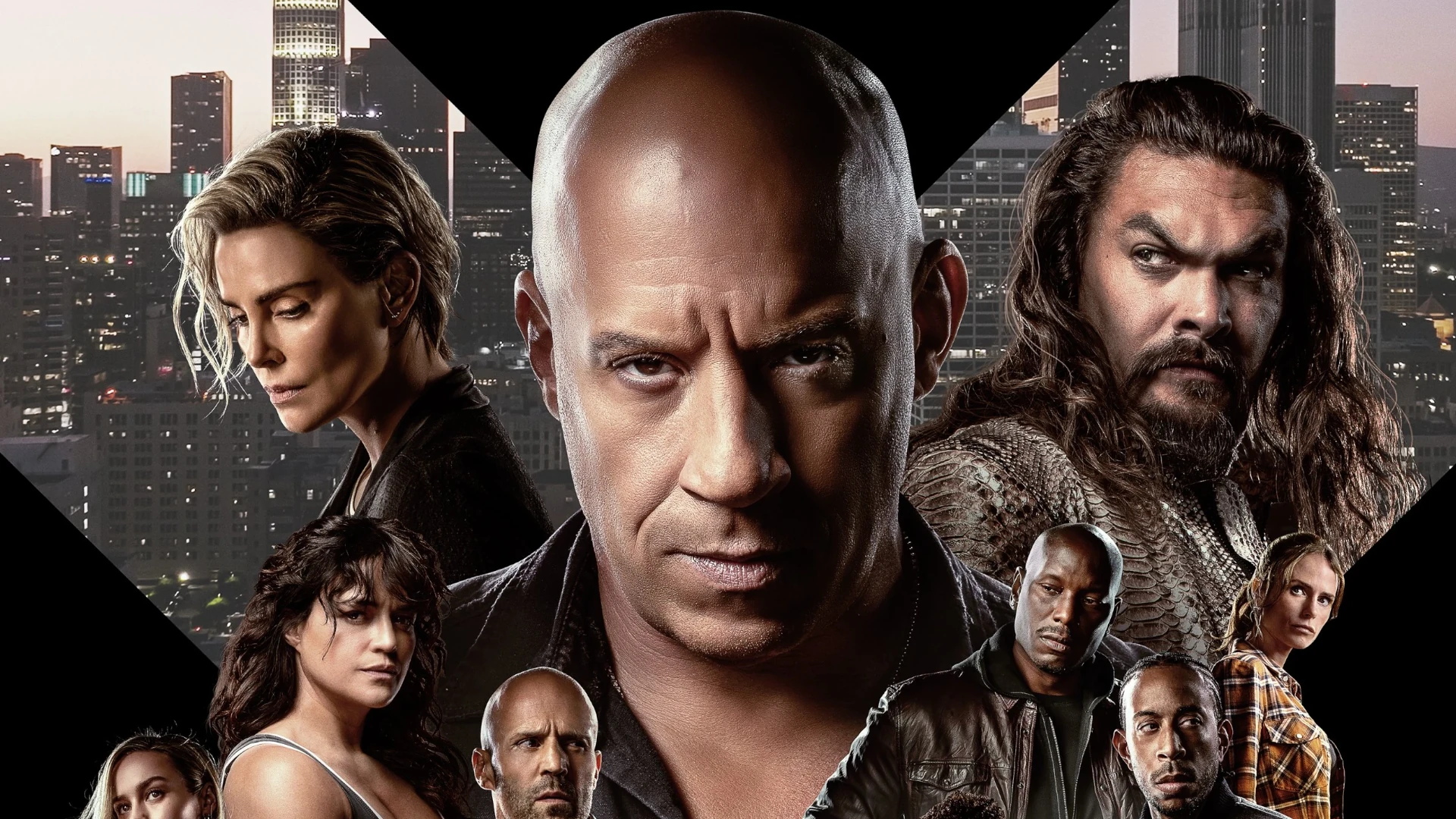
Released in 2011, Fast Five altered the trajectory of modern blockbusters by transforming a fading street-racing series into a global heist juggernaut. Propelled by a charismatic ensemble cast, the film grossed over $629 million worldwide and laid the foundation for a franchise that ultimately crossed the $5 billion threshold. Instead of relying solely on nitrous-boosted cars, the production gambled on a classic ensemble caper model, uniting characters from across four previous standalone entries into a cohesive, high-octane team.
The movie's success relied heavily on strategic casting choices, shifts in character dynamics, and the introduction of heavyweight rivals. By analyzing how Vin Diesel, Paul Walker, Dwayne Johnson, and the supporting players meshed on screen, we can see how a stunt-heavy IP evolved into a multi-billion-dollar cultural blueprint.
The Indispensable Core: Diesel, Walker, and the Bond of Family
No discussion of the ensemble works without examining the gravitational pull of Vin Diesel and the late Paul Walker. Their dynamic formed the emotional and thematic spine of the heist narrative. Vin Diesel carried the film as Dominic Toretto, balancing stoic leadership with an unwavering code of family loyalty. His performance relied on minimal dialogue and high physical intensity, cementing an archetype for the entire franchise.
Paul Walker reprised his role as Brian O'Conner, serving as the moral center of the group. Having transitioned from an undercover cop to a fugitive outlaw by the end of Fast & Furious (2009), Walker portrayed a man fighting for his domestic future alongside Jordana Brewster's Mia Toretto. In Fast Five, their relationship evolved from an uneasy alliance into an unbreakable brotherhood. The chemistry between Diesel and Walker gave the action sequences emotional stakes, ensuring viewers cared about the characters long before the vault was dragged through the streets of Rio de Janeiro.
The Muscle and The Foil: Introducing Dwayne Johnson and Tyrese Gibson
To elevate the stakes, director Justin Lin needed an antagonist who could physically and mentally match Vin Diesel. Enter Dwayne Johnson as Diplomatic Security Service (DSS) agent Luke Hobbs. Johnson injected a raw, authoritative energy into the film, shifting the narrative cat-and-mouse game into high gear. The brutal alleyway brawl between Diesel and Johnson stands out as a defining sequence of 2010s action cinema, grounding the film in gritty, visceral conflict.
Balancing out the testosterone, Tyrese Gibson returned as Roman Pearce alongside Chris "Ludacris" Bridges as Tej Parker. Gibson functioned as the primary comedic relief, puncturing the intense machismo of Diesel and Johnson with self-aware skepticism. This tonal balancing act prevented the film from taking itself too seriously, establishing a formula where high-stakes tension was regularly broken by ensemble banter.
Assembling the Specialist Crew: Expanding the Universe
Fast Five borrowed heavily from classic heist blueprints like Ocean's Eleven, requiring a crew of specialists to pull off an impossible job against corrupt drug lord Hernan Reyes. Bringing back legacy actors allowed the production to reward long-time fans while expanding the narrative canvas:
- Sung Kang (Han Seoul-Oh) and Gal Gadot (Gisele Yashar): Their on-screen romance added subtle emotional texture, while their distinct skill sets as a drift specialist and a weapons expert legitimized the crew's operational scope.
- Tego Calderón (Tego Leo) and Don Omar (Rico Santos): The comedic duo provided logistical chaos and technical support, anchoring the film's lighter moments.
- Matt Schulze (Vince): Returning from the 2001 original, Vince served as the emotional bridge to the past, forcing Dominic Toretto to reconcile old grievances with new loyalties.
This collective lineup proved that the franchise no longer depended on a single protagonist. It functioned as an ensemble ecosystem where characters could rotate, return, and anchor future sequels.
Box Office Impact and the Blueprint for Modern Universes
Before Fast Five, serialized action properties rarely enjoyed an upward box-office trajectory past a third installment. Fast Five shattered that ceiling by opening to $86.2 million domestically—a record for the month of April at the time—and finishing its global run north of $629 million.
Universal Pictures recognized that the ensemble approach was the key to unlocking long-term viability. By treating the cast like a repertory theater company rather than disposable action stars, the studio built audience investment across multiple sequels. According to The Numbers box office data, the film's domestic performance nearly doubled its predecessors, proving that international markets and ensemble expansion could bulletproof a franchise against fatigue.
Common Mistakes in Analyzing the Franchise's Success
Many pop culture retrospectives misattribute the franchise's multi-billion dollar legacy to pure inflation or luck. Observers often make a few specific analytical errors:
- Crediting CGI over Character Chemistry: Critics frequently point to the bank vault chase as the sole reason for the film's success, ignoring the two hours of character setup that made the heist emotionally satisfying.
- Treating Hobbs' Addition as an Accident: Dwayne Johnson's casting was a calculated response to fan feedback from earlier films, designed specifically to inject institutional conflict into a stagnant dynamic.
- Overlooking the Shift in Genre: Labeling the film a "street racing movie" misses the entire point; Fast Five deliberately killed the street-racing core to pivot into a global heist format, a structural risk few studios take.
Frequently Asked Questions
Why is Fast Five considered the turning point of the franchise?
It marked the definitive shift from underground street racing to a global heist formula. By assembling characters from across the previous four films into a unified crew and introducing Dwayne Johnson, the production created a scalable blueprint for all future sequels.
How much did Fast Five gross worldwide?
The film grossed approximately $629.9 million globally against a production budget of $125 million, making it one of the most profitable blockbusters of 2011.
Did Fast Five win any major awards?
While major academy recognition typically bypasses high-octane action films, the movie received widespread critical acclaim—maintaining a high rating on aggregators like Rotten Tomatoes—and is frequently cited by film critics as one of the best action blockbusters of the 2010s.
Why wasn't Michelle Rodriguez in Fast Five?
Michelle Rodriguez's character, Letty Ortiz, was believed to have been killed off in the fourth installment, Fast & Furious (2009). However, a post-credits tease in Fast Five set up her dramatic return in Fast & Furious 6, keeping the core family intact for the long haul.



