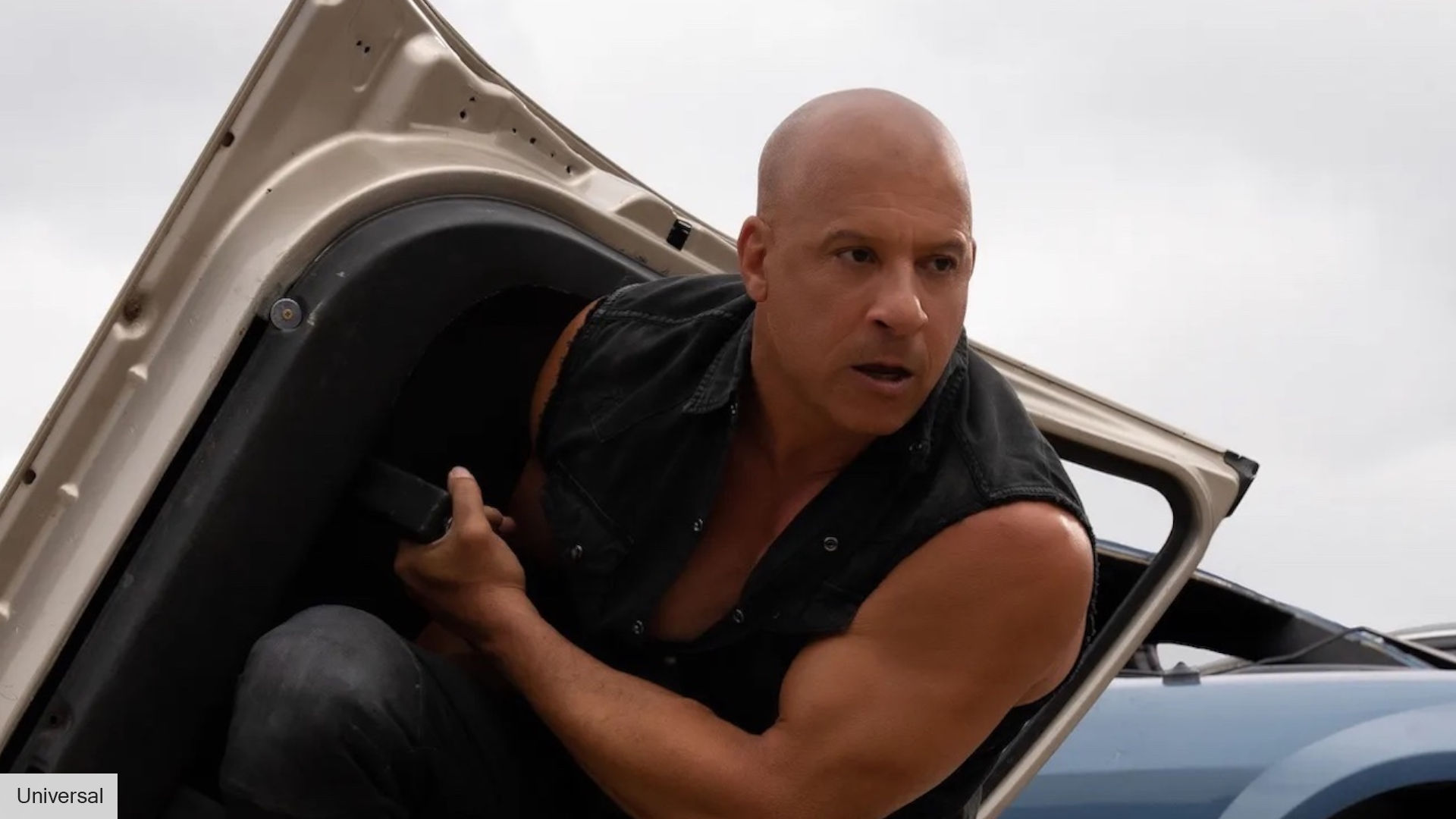
When The Fast and the Furious hit theaters in 2001, it centered on a modest group of Los Angeles DVD-player hijackers and street racers. Led by Dominic Toretto and undercover cop Brian O'Conner, these characters lived quarter-mile by quarter-mile in tuned Honda Civics and Mitsubishi Eclipses. Two decades later, this same crew operates as an elite international espionage unit, stopping cyber-terrorists, leaping cars between skyscrapers, and even launching vehicles into space. This remarkable transformation didn't happen by accident. It required a deliberate shift in storytelling, stakes, and character architecture that turned localized petrolheads into world-saving cinematic legends.
Understanding this trajectory reveals how a mid-budget thriller birthed one of the most lucrative intellectual properties in modern cinema. This transformation wasn't just about bigger budgets or louder explosions; it was a fundamental reinvention of character identity, loyalty, and family dynamics. Let's break down how Dominic Toretto, Brian O'Conner, and their expanding family evolved from petty street thieves into genuine global icons.
The Humble Origins: L.A. Street Racers and Undercover Cops
In the 2001 foundational film, the character stakes were local, grounded, and intensely personal. Dominic Toretto was an ex-con auto mechanic running a tight-knit crew of mechanics who supplemented their income by boosting electronic equipment from moving semi-trucks. Brian O'Conner was a rookie LAPD officer trying to prove himself by infiltrating Dom's inner circle.
The primary conflict relied on interpersonal tension: betrayal, trust, and underground racing culture. Characters like Letty Ortiz, Mia Toretto, Vince, Jesse, and Leon weren't trying to save the free world. They were protecting their turf, modifying nitrous systems, and managing street credibility.
By the time 2 Fast 2 Furious (2003) and The Fast and the Furious: Tokyo Drift (2006) expanded the universe, the films functioned more like anthology crime capers. Roman Pearce and Tej Parker entered the picture as fast-talking ex-cons and tech operators, while Sean Boswell took drifting mainstream in Japan. Yet, all these characters remained tethered to the subculture of underground automotive enthusiasm rather than geopolitical warfare.
The Mid-Series Pivot: Redefining Family and Crime
The turning point for the franchise's character evolution arrived with Fast Five (2011). Director Justin Lin and writer Chris Morgan engineered a complete genre pivot, transforming the property from a street-racing franchise into a high-octane heist series.
This shift forced the characters to adapt or perish. To pull off a hundred-million-dollar vault heist in Rio de Janeiro against a corrupt businessman, Dom and Brian had to assemble an Avengers-style crew of specialists from across previous films. Roman brought comedic relief and diversion tactics, Tej managed digital surveillance, Han Lue supplied smooth tactical execution, and Gisele Yashar provided espionage and weapon handling.
The introduction of DSS federal agent Luke Hobbs added a crucial dynamic. Hobbs functioned as an unstoppable physical force who initially hunted the crew before realizing they shared a moral code. By forcing former enemies to stand shoulder-to-shoulder against militarized syndicates, the franchise elevated its characters out of the alleyways and onto the global stage. They were no longer just running from the law; they were operating outside it to protect each other.
Transitioning into Global Operatives and Superhero Archetypes
As the box office numbers climbed, the character profiles scaled upward to match. From Fast & Furious 6 through Furious 7 and The Fate of the Furious, the crew crossed the threshold from skilled outlaws into government-sanctioned shadow operatives.
When villain Owen Shaw and later cyber-terrorist Cipher threatened global stability, world governments realized ordinary military forces couldn't match a crew operating with absolute kinetic synergy behind the wheel. The characters evolved specific archetypes:
- Dominic Toretto: Shifted from local crew leader into a mythic patriarch whose sheer force of will and devotion to family can defy physical logic.
- Tej Parker and Ramsey: Evolved from a street mechanic and a hacker into world-class cyber experts capable of disabling global defense systems.
- Letty Ortiz: Ascended from a street racer into a hardened tactical combatant and espionage specialist who overcame amnesia to reclaim her fierce identity.
- Roman and Tej: Transitioned from petty criminals into reliable mission specialists who consistently survive impossible odds with a mix of humor and unexpected ingenuity.
This evolution turned the core ensemble into modern folklore heroes. Physics took a backseat to narrative catharsis, allowing characters to survive vehicular cliff-dives, tank battles on Spanish highways, and skyscrapers crashing in Abu Dhabi.
Common Mistakes When Analyzing the Franchise's Evolution
Many pop culture critics misinterpret the trajectory of these characters by viewing the changes as accidental escalation. To understand the narrative honestly, keep these realities in mind:
- Ignoring the character groundwork: Critics often claim the characters have no depth, overlooking how deeply foundational bonds established in 2001 dictate every emotional choice made in later sequels.
- Misreading the genre shift: The transition wasn't a random departure; it was a deliberate structural evolution that allowed finite street-racing tropes to expand into infinite international heist scenarios.
- Treating the ensemble as static: Characters like Han Lue and Deckard Shaw experienced complex temporal restructuring and redemption arcs that proved the franchise cared deeply about its continuity web.
Frequently Asked Questions
Why did the Fast and Furious characters stop street racing?
Street racing served as the narrative entry point, but the filmmakers quickly realized that the underground racing well would run dry after three films. Shifting the characters toward international heists and espionage allowed the narrative stakes to grow larger while keeping high-speed driving at the core of their action set-pieces.
How did the government recruitment of Dom's crew begin?
The recruitment formally started in Fast Five, where Luke Hobbs offered the crew full pardons if they helped take down Rio drug lord Hernan Reyes. That success proved to intelligence agencies like Mr. Nobody's secret agency that Dom's team could accomplish missions conventional military units couldn't touch.
Are the characters in the later movies meant to be superheroes?
While the stunts defy real-world physics, the characters themselves remain grounded in the universe's internal mythology of family loyalty. The writers treat their emotional resilience and driving skills not as mutant superpowers, but as the extreme results of tight-knit family survival instincts.
What happened to the original street racing lifestyle in the newer films?
The lifestyle evolved rather than disappeared. While underground drag races occur less frequently, modern films still feature backyard barbecues, muscle car restorations, and community gatherings that honor the quiet domestic roots established in Los Angeles. For a deep dive into the broader cinematic history of the series, check out the comprehensive overview on Wikipedia.