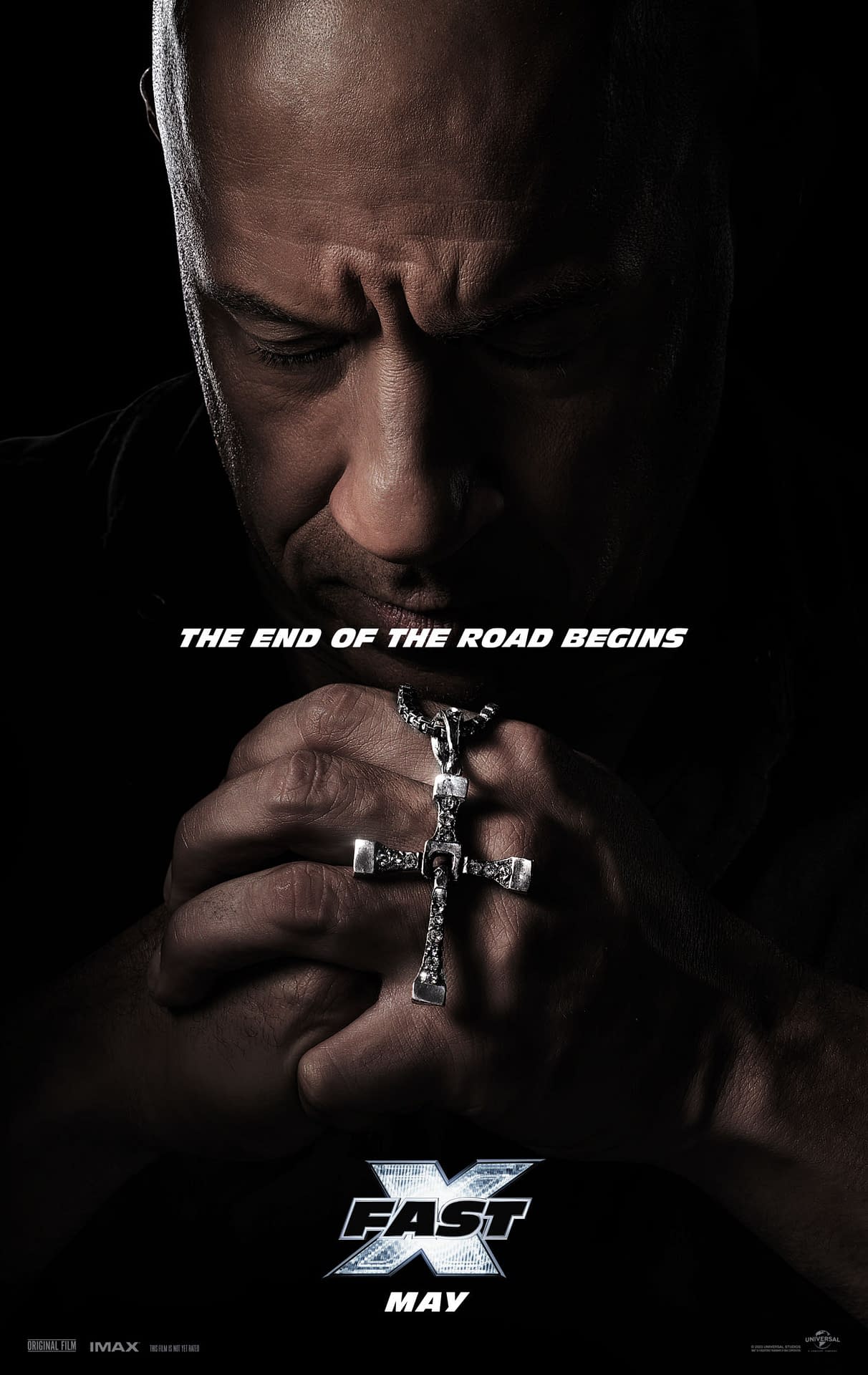
The Fast and the Furious franchise changed action cinema by turning character continuity into a multi-billion-dollar global asset. When Universal Pictures released a modest street-racing movie in 2001, nobody predicted it would morph into an economic juggernaut grossing over seven billion dollars. The transformation relied heavily on a shift from standalone crime plots to an interconnected ensemble where characters like Vin Diesel's Dominic Toretto and Jason Statham's Deckard Shaw function as portable intellectual property. This character-driven strategy rewrote modern studio economics, maximizing international markets through recognizable faces and emotional stakes.
Understanding this shift requires looking beyond explosions and sports cars. Studios traditionally treated action sequels as diminishing returns, but this franchise inverted the formula by expanding its crew and turning ensemble chemistry into a reliable box office hedge. Let's break down how character architecture, global market alignment, and stunt economics reshaped Hollywood business models.
The Evolution of Ensemble Economics
Early action cinema relied on a single bankable lead—think Arnold Schwarzenegger or Sylvester Stallone carrying a film on broad shoulders. By the time Fast Five hit theaters in 2011, the studio realized that aggregating distinct personalities created a safer financial return. Bringing back characters from disparate sequels (like Sung Kang's Han or Tyrese Gibson's Roman) transformed the series into an ongoing soap opera with high-octane spectacle.
This approach lowered financial risk. If a single character's subplot underperformed, the broader ensemble sustained audience interest. Vin Diesel's anchoring presence as Dom Toretto provided emotional gravity, centered around the recurring mantra of "family." That simple thematic anchor allowed writers to plug in new stars without alienating core viewers.
- Cross-pollination of fanbases: Merging different action stars into one film pulls audiences from multiple distinct demographics.
- Serialized loyalty: Audiences return not just for the action, but to track long-term character arcs and alliances.
- The "Family" hook: Universal emotional stakes translate universally across different cultures and languages.
Jason Statham and the Villain-to-Ally Pivot
Few casting decisions illustrate modern Hollywood economics better than the introduction and transition of Jason Statham as Deckard Shaw. In Fast & Furious 6 and Furious 7, Statham entered as a lethal antagonist. Rather than discarding a valuable asset after a single defeat, the studio pivoted his character into an anti-hero, eventually pairing him with Dwayne Johnson in the 2019 spin-off Hobbs & Shaw.
This maneuver preserves star power while generating fresh narrative tension. Statham brought an established British action fanbase and a distinct martial arts choreography style that differentiated the franchise from traditional street racing. Financially, recycling antagonists into allies expands the cinematic universe without requiring the costly introduction of entirely new marquee names from scratch. For more on how major studios manage franchise continuity, check out Box Office Mojo.
Global Box Office Alignment
The true financial triumph of the franchise lies in its international market share. Traditional American action movies often relied heavily on domestic ticket sales, but this series aggressively targeted overseas territories by diversifying its cast and emphasizing visual, dialogue-light set pieces.
By the time Furious 7 and The Fate of the Furious premiered, international markets accounted for over eighty percent of their total grosses. Characters became cultural symbols understood instantly across language barriers. Vin Diesel's stoic delivery and physical presence require minimal translation, while international additions like Charlize Theron and international shooting locations secured localized box office dominance in regions like China, Europe, and Latin America.
- Prioritize visual storytelling: Stunts and vehicular mayhem transcend language barriers faster than complex comedic dialogue.
- Global casting: Incorporating international talent broadens box office appeal in specific overseas territories.
- Universal themes: The focus on loyalty and tribal belonging resonates across disparate cultural landscapes.
Common Mistakes in Modern Franchise Building
Other studios attempting to replicate this economic model frequently stumble by missing the underlying mechanics. The primary mistake is assuming high budgets and expensive actors automatically guarantee returns.
- Forced crossovers without organic history: Merging characters simply for marketing hype fails if audiences don't believe the interpersonal stakes.
- Neglecting character consistency: Changing a character's core motivations purely to serve a plot twist alienates the fanbase.
- Escalating stakes too quickly: Moving from street racing to global cyber-terrorism requires gradual character grounding so the audience stays invested.
When studios rush these steps, the financial return collapses because viewers sense the artificiality. The longevity of Dom Toretto's crew worked because the expansion happened incrementally over two decades.
Frequently Asked Questions
Which Fast and Furious movie made the most money globally?
Furious 7 (2015) stands as the highest-grossing film in the franchise, earning over 1.5 billion dollars worldwide, driven in part by a massive wave of global curiosity and tribute following the passing of Paul Walker.
How did Jason Statham's character impact the franchise's revenue?
Statham's arrival injected fresh antagonistic energy into Furious 7 before his transition into an anti-hero helped fuel the massive success of Hobbs & Shaw, which pulled in over 760 million dollars globally.
Why do international markets matter so much to these films?
International audiences frequently account for seventy to eighty percent of the total box office earnings because high-concept action sequences and physical character dynamics translate across cultures more easily than domestic-centric comedies or dramas.
Will there be more films in the core series?
The studio has planned further installments to wrap up the primary narrative arc following Fast X, continuing to leverage the established character ecosystem.
To explore more about industry trends and financial breakdowns, visit Variety.



