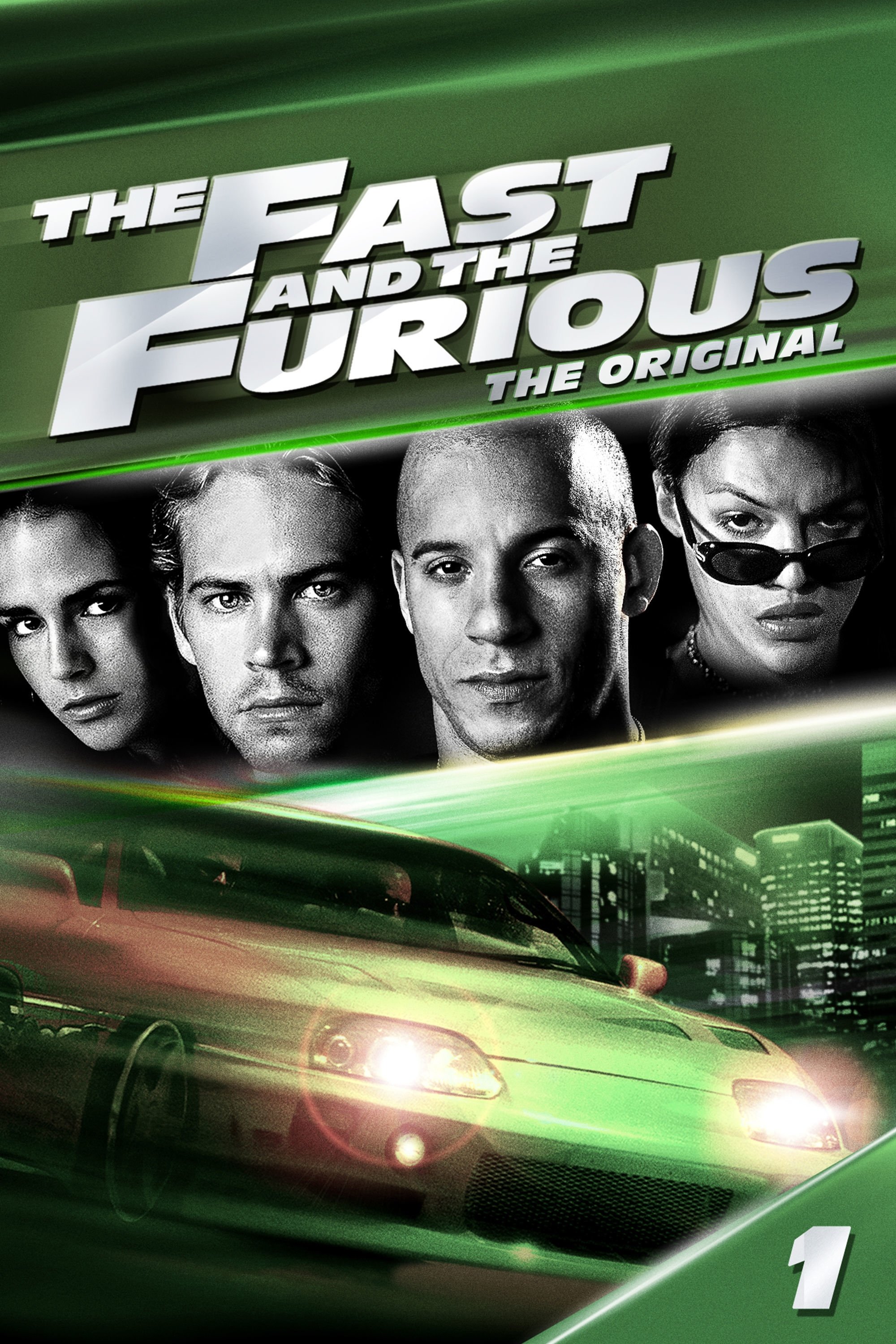
When Universal Pictures released a modest street-racing thriller in the summer of 2001, nobody expected a multi-billion-dollar cinematic empire. The original film, directed by Rob Cohen and loosely inspired by a magazine article about underground street culture, relied on a gritty premise: an undercover cop infiltrates a crew of car-jacking Los Angeles street racers. That street-racing crew evolved into Hollywood's most durable and bankable family, navigating cast departures, tragic losses, and an escalating scale of action that eventually traded street corners for international espionage.
Understanding how this ensemble transformed into a premier box office powerhouse requires looking beyond simple commercial success. The core group's journey reflects a masterclass in modern franchise adaptation, transitioning from a localized subculture drama into a globally appealing tentpole property anchored by recurring characters and expanding star power.
The Humble Origins of a Los Angeles Crew
The 2001 original introduced an ensemble cast built around contrasting energies. Vin Diesel played Dominic Toretto, the gravel-voiced mechanic with strict codes of loyalty, while Paul Walker portrayed Brian O'Conner, the earnest rookie cop torn between his badge and his newfound underground brotherhood. Michelle Rodriguez brought fierce independence as Letty Ortiz, and Jordana Brewster completed the core dynamic as Mia Toretto.
Made on a modest budget of $38 million, the first film focused tightly on nitrous-boosted imports, illegal drag races, and DVD-player heists. It grossed over $211 million worldwide, proving that audiences craved high-octane automotive action. Yet, the initial path forward wasn't linear. Universal tested different formulas immediately, sidelining Diesel for the Miami-set sequel 2 Fast 2 Furious (2003) which introduced Tyrese Gibson and Chris "Ludacris" Bridges, before shifting to Tokyo for an entirely new cast led by Lucas Black in The Fast and the Furious: Tokyo Drift (2006).
The Turning Point: Reuniting and Reinventing
By the late 2000s, the franchise faced a critical junction. Rather than letting the property fade into direct-to-video obscurity, the studio greenlit Fast & Furious (2009), successfully bringing back the original four leads: Diesel, Walker, Rodriguez, and Brewster. Directed by Justin Lin, this fourth installment bridged the gap between the old street-racing roots and larger-scale action set pieces, pushing global box office receipts past $359 million.
The true structural pivot arrived with Fast Five (2011). Moving the setting to Rio de Janeiro, the creative team transformed the series from a street-racing narrative into a globe-trotting heist franchise. This shift unlocked unprecedented financial growth. Crucially, the addition of Dwayne Johnson as federal agent Luke Hobbs injected fresh adversarial energy, pitting brawn against brawn opposite Diesel. Fast Five crossed $629 million worldwide, establishing the template for subsequent films to recruit heavy-hitting international stars like Jason Statham, Charlize Theron, and Helen Mirren.
Navigating Tragedy and Expanding the Family
No examination of the cast's evolution is complete without addressing the profound turning point caused by Paul Walker's death in November 2013. Production on Furious 7 paused while filmmakers and cast members grappled with how to honor a beloved friend and central pillar of the saga.
Director James Wan and the writing team utilized visual effects and body doubles—including Walker's brothers, Caleb and Cody—to complete Brian O'Conner's storyline. The resulting film became an emotional farewell, driving Furious 7 to a staggering $1.51 billion worldwide and cementing the cast's off-screen bond into cinematic history. Rather than collapsing without one of its leads, the ensemble absorbed the emotional weight, carrying the franchise forward into billion-dollar territory with The Fate of the Furious (2017) and branching into spin-offs like Hobbs & Shaw (2019).
Box Office Evolution of the Mainline Films
To see how the ensemble's bankability matured, consider the global box office progression across key entries:
- The Fast and the Furious (2001): $211.5 million
- Fast & Furious (2009): $359.3 million
- Fast Five (2011): $629.9 million
- Fast & Furious 6 (2013): $789.3 million
- Furious 7 (2015): $1.51 billion
This trajectory demonstrates how an ensemble cast transitioned from niche genre players into dependable global box office anchors, outperforming many traditional superhero franchises in international markets. For broader context on industry trends, you can explore box office breakdowns via Box Office Pro.
Common Misconceptions About the Franchise's Success
Many casual viewers assume the series maintained a steady climb from day one. In reality, the third film (Tokyo Drift) was considered a commercial trough, grossing just $157 million globally and nearly forcing Universal to pivot the IP away from theatrical releases.
Another frequent oversight is viewing the films strictly as action vehicles. The longevity of the cast stems largely from the recurring theme of "family," a concept that resonated deeply with international audiences and created an emotional anchor that survived shifting genres, changing directors, and major cast turnover. Learn more about the studio's overarching history through Universal Pictures.
Frequently Asked Questions
Why did Vin Diesel miss the second film?
Vin Diesel declined to return for 2 Fast 2 Furious (2003) because he chose instead to star in the action film xXx (2002), feeling at the time that the sequel's script did not match the impact of the original.
How did the filmmakers handle Paul Walker's absence after Furious 7?
Instead of killing off Brian O'Conner, the narrative retired the character gracefully, explaining that he stepped away from the dangerous lifestyle to raise his family safely, allowing the real-world tribute to resonate within the story.
Which film marks the highest gross in the franchise?
Furious 7 (2015) stands as the highest-grossing entry in the series, pulling in over $1.51 billion globally, heavily influenced by audience turnout to honor Paul Walker's final performance.
Did the franchise always focus on international heists?
No. The first three films focused specifically on street racing, car culture, and localized crime. The heist format was formally introduced in Fast Five (2011) to accommodate larger action sequences and a growing ensemble cast.



