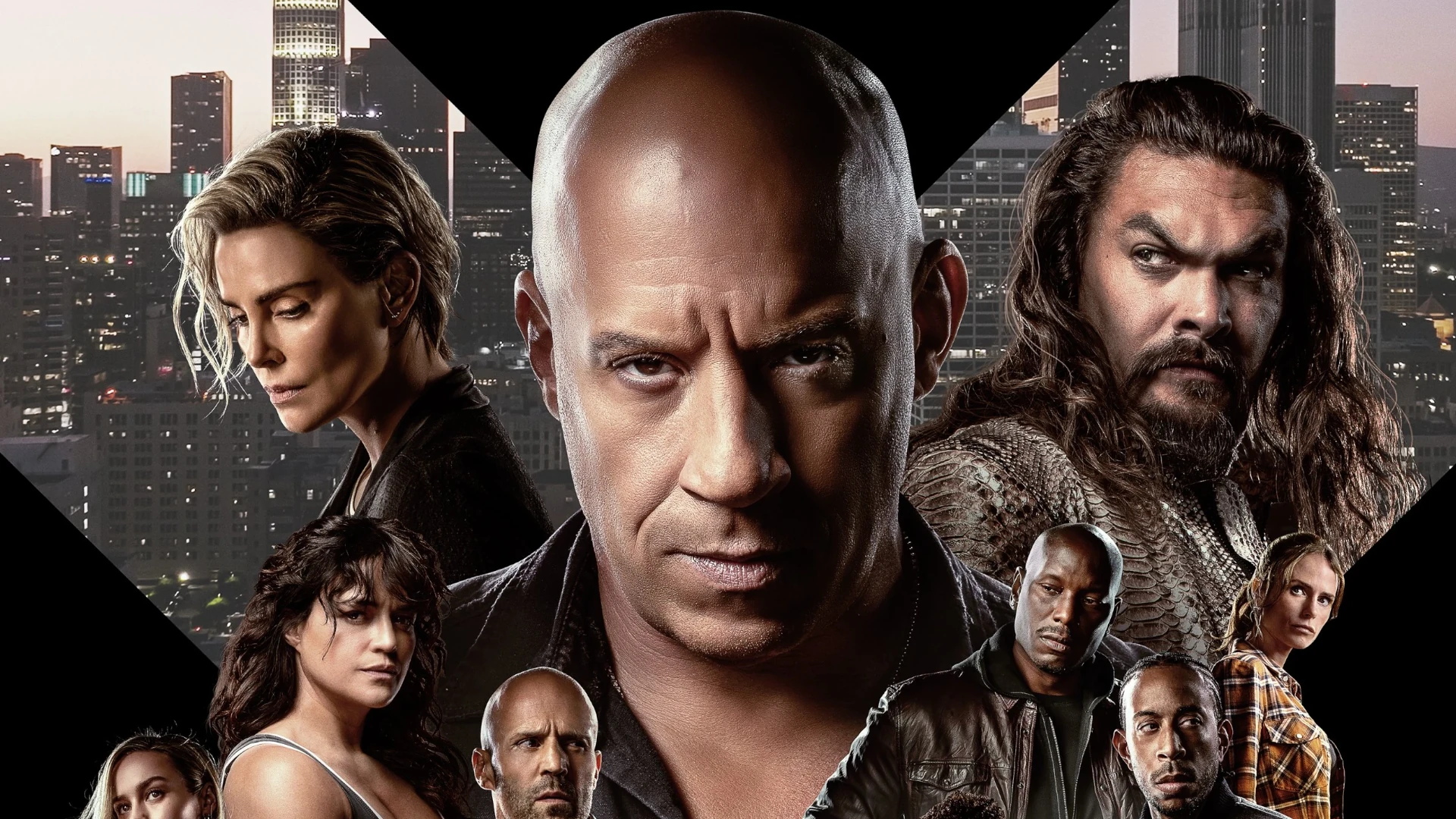
When Universal Pictures released a modest street-racing film in the summer of 2001, nobody predicted it would spawn a multi-billion-dollar global action franchise. More than just box office success, the series permanently shifted car culture. It transformed mainstream actors into genuine automotive legends. The vehicles weren't mere props; they functioned as extensions of the characters themselves, cementing specific makes and models into public consciousness.
Long before the franchise evolved into international espionage capers involving submarine chases and space travel, it relied on underground car culture, quarter-mile sprints, and deep mechanical authenticity. Let's look at how the primary cast members and their signature rides became intertwined, turning Hollywood stars and Japanese import tuners into cultural icons.
Paul Walker and the Rise of Import Tuning
Paul Walker didn't just play an undercover cop who loved cars; he was a genuine gearhead who lived and breathed automotive performance long after the director yelled cut. As Brian O'Conner, Walker became the face of the early-2000s import tuner explosion.
The Orange Toyota Supra
The bright orange 1993 Toyota Supra Turbo driven by Brian in the first film remains one of the most recognizable movie cars in cinematic history. Sourced and styled with input from technical advisors like Craig Lieberman, the car featured a Bomex body kit, a mandatory-for-the-era APR wing, and an iconic "Nuclear Gladiator" side graphics scheme. It proved that Japanese sports cars could hold their own visually and culturally against classic American muscle.
The Nissan Skyline GT-R Lineage
If the Supra introduced mainstream audiences to import tuning, the Nissan Skyline GT-R cemented Brian O'Conner's legacy. Walker pushed to feature actual Nissan Skylines in the sequels, famously driving an R34 GT-R in 2 Fast 2 Furious that he personally helped spec out. His real-world passion for performance tuning led him to co-own AE Performance, competing in actual road racing events. His untimely death in 2013 robbed the car community of one of its most authentic ambassadors.
Vin Diesel and the Soul of American Muscle
While Paul Walker championed Japanese import culture, Vin Diesel's character, Dominic Toretto, anchored the franchise in raw, unapologetic American muscle. Diesel's persona on and off screen became synonymous with a very specific kind of automotive brute force.
The 1970 Dodge Charger R/T
Dom's blown-blower 1970 Dodge Charger is the spiritual heartbeat of the entire franchise. With a massive BDS supercharger poking through the hood, it represented raw, untamed power. Diesel's character famously feared driving it because his father died in it, adding psychological weight to the machinery. Driving that car required physical effort and grit, mirroring Toretto's stubborn loyalty to family.
Diesel’s personal preference leans heavily toward classic American iron. While he isn't tracking cars with the same technical depth as Walker was known for, his cinematic dedication to vintage muscle cars helped revive market interest and values for classic Mopar platforms throughout the 2000s and 2010s.
Supporting Cast and Cult Classic Vehicles
The ensemble cast brought unique subgenres of car culture into the spotlight, ensuring that every type of gearhead found a character to root for.
Michelle Rodriguez and Letty's Nissan 240SX
Michelle Rodriguez played Letty Ortiz, a mechanic and street racer who commanded respect in a male-dominated environment. Her modified Nissan 240SX and later Plymouth Barracuda showcased precision handling and aggressive drifting style. Rodriguez learned to actually drive and perform stunt maneuvers for the films, breaking the Hollywood trope of actors simply sitting in front of a green screen.
Sung Kang and the Veilside Mazda RX-7
Han Lue, played by Sung Kang, introduced global audiences to Japanese VIP style and drifting culture via The Fast and the Furious: Tokyo Drift. The orange-and-black Veilside Fortune Mazda RX-7 he drove became an instant poster car. Kang and director Justin Lin actually built the real-world project car that inspired the cinematic version, bridging the gap between underground tuning workshops and mainstream cinema.
How the Franchise Transformed Real-World Car Culture
The cultural impact of these actors and their vehicles extended far beyond the silver screen. Before 2001, modified Japanese compacts were often dismissed by traditional car collectors as "ricers." The franchise flipped that perception upside down almost overnight.
- Surging Aftermarket Parts Demand: Companies manufacturing turbochargers, body kits, nitrous oxide systems, and custom audio setups saw unprecedented sales spikes in the 2000s.
- Valuation Shifts: Clean examples of cars featured in the films—particularly the Toyota Supra, Mazda RX-7, and Nissan Skyline—experienced massive appreciation in value, transitioning from affordable used commuter cars to six-figure collector items.
- Law Enforcement and Insurance Impact: The sudden surge in illegal street racing prompted crackdowns by local police departments across North America, forcing legal racing organizations to create safer, sanctioned alternatives at local tracks.
Frequently Asked Questions
Did the actors actually drive the stunt cars in the movies?
Some did, while others relied on professional stunt drivers. Paul Walker was heavily involved in driving sequences, especially those requiring precision handling. Most complex stunts, high-speed jumps, and drifting maneuvers utilized professional stunt drivers piloting heavily reinforced replica vehicles.
Were the cars in the first movie actually fast?
Many of the cosmetic modifications were for visual flair. However, the hero cars typically featured performance upgrades. For instance, the film's primary Toyota Supra featured upgraded turbos, aftermarket exhaust systems, and suspension tuning capable of respectable horsepower figures for street cars of that era.
Why did the franchise shift away from street racing?
After the third installment (Tokyo Drift), the filmmakers realized that street racing plots had reached a narrative ceiling. Transforming the crew into high-stakes international heist operatives allowed for bigger set pieces, wider global appeal, and the inclusion of tanks, armored trucks, and exotic supercars.
What happened to the original movie cars after filming wrapped?
Many vehicles were destroyed during hazardous stunt sequences—production often built half a dozen identical replicas for a single model. Surviving hero cars were either retained by studios, sold at high-profile collector car auctions like Barrett-Jackson, or kept by production crew members as memorabilia.



