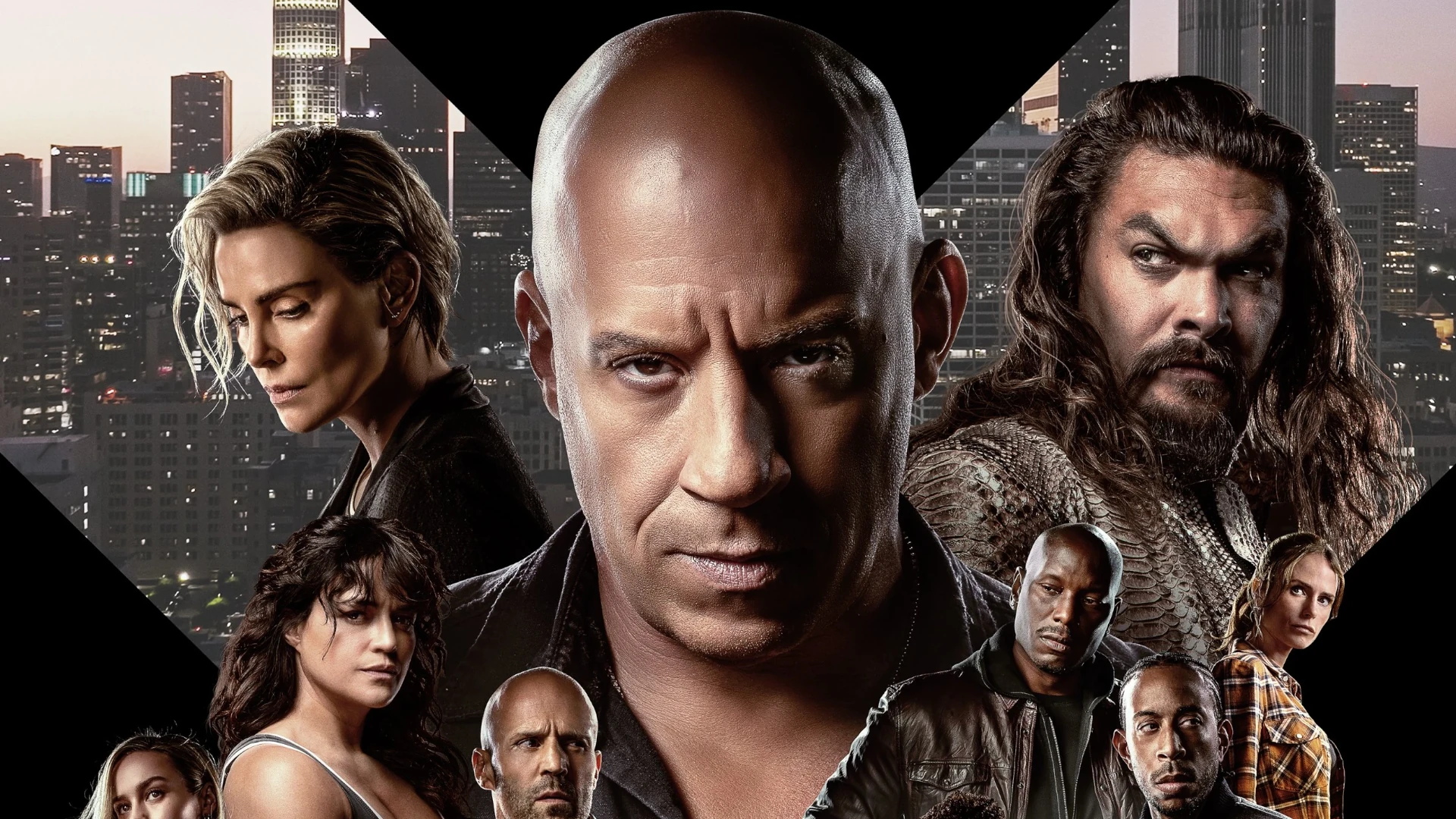
When Fast and Furious 6 hit theaters in May 2013, it didn't just meet expectations; it shattered the ceiling for what a modern action franchise could achieve. Director Justin Lin, working with writer Chris Morgan, transformed a fading street-racing property into a high-octane global heist machine. Grossing nearly $790 million worldwide on a $160 million production budget, the film proved that studio blockbusters could combine ensemble chemistry with jaw-dropping, practical stunt work.
The production journey of Fast and Furious 6 required massive logistical coordination, dangerous physical stunts, and a tight-knit ensemble cast willing to embrace a total genre reinvention. Behind the sleek cars and explosive set pieces lies a calculated blueprint of stunt engineering, casting strategy, and narrative risk-taking that permanently changed Hollywood action cinema.
The Evolution of the Ensemble Cast
The core strength of the film rests on its sprawling, reunited cast. Vin Diesel returned as Dominic Toretto, anchoring the crew with his trademark gravity, while Paul Walker stepped back into the shoes of Brian O'Conner. By 2013, the franchise had successfully transitioned from underground tuner culture into an international espionage thriller, and the roster expanded to match that scale.
Dwayne Johnson returned as Diplomatic Security Service agent Luke Hobbs, bringing a massive physical presence that created an instant, combustible dynamic when paired alongside Diesel. Michelle Rodriguez made a triumphant, crowd-pleasing return as Letty Ortiz, whose apparent death in a previous installment was upended by a classic soap-opera amnesia twist.
Adding fresh friction to the mix was Luke Evans as Owen Shaw, a cold, calculating military mercenary who served as a dark mirror image to Dominic Toretto. Shaw's crew functioned like a professional military unit, forcing Toretto's family of street racers to adapt to a vastly different caliber of opponent. The casting balance worked because every actor understood the heightened, comic-book reality of the universe without losing the emotional core centered around family loyalty.
Engineering Practical Stunts on Location
One major reason Fast and Furious 6 resonated so strongly with audiences was its heavy reliance on practical stunts rather than purely digital effects. Second-unit director and stunt coordinator Spiro Razatos designed sequences that pushed physical limits, specifically during the massive highway tank chase filmed across parts of the United Kingdom and Spain.
Instead of generating the military tank entirely in a computer, the production built a functional, 35-ton tank replica mounted on a heavy truck chassis. This allowed the vehicle to actually crush real cars on public roads and highways, creating authentic weight, smoke, and debris.
- The crew modified stunt cars with reinforced roll cages and custom suspension systems to handle high-speed impacts.
- Glasgow, Scotland, was used to double for sections of London, allowing production crews to shut down major streets for complex nighttime car chases.
- The famous runway climax featuring a massive cargo plane required months of precise timing, where stunt drivers had to grapple with a moving aircraft while tethered to custom rigs.
By grounding the impossible action in real physical spaces, the filmmakers built genuine tension that digital-heavy blockbusters often miss. The audience could feel the metal bending and the tires screeching because the friction was happening in front of a physical camera.
Scriptwriting and the Heist Pivot
The narrative pivot that turned the franchise around started with Fast Five, but Fast and Furious 6 perfected the formula. Chris Morgan structured the screenplay around a classic heist structure, substituting high-end bank vaults and safe-crackers for precision driving and tactical extraction.
This shift allowed the writers to bypass the limitations of simple street racing. When Agent Hobbs recruits Toretto's crew with the promise of full pardons, the stakes instantly escalate from petty crime to global national security. Bringing back Letty as an antagonist suffering from memory loss added a sharp emotional dagger to the plot, giving Dominic a personal reason to fight beyond just clearing his criminal record.
The script also planted seeds for future installments, most notably through the mid-credits scene introducing Jason Shaw as the vengeful brother of Owen Shaw, setting up a brutal transition into the seventh film directed by James Wan.
Common Production Mistakes and Lessons Learned
Mounting a blockbuster of this scale is fraught with logistical challenges, and the production of Fast and Furious 6 faced unique hurdles during its grueling shoot.
- Over-reliance on scheduling windows: Because key cast members were in high demand globally, shooting blocks were notoriously tight, leaving little room for error when stunt sequences hit weather delays.
- Balancing screen time: With such a massive ensemble, secondary characters like Roman Pearce (Tyrese Gibson) and Tej Parker (Ludacris) ran the risk of getting lost in the noise, requiring careful script pacing to maintain comedic relief.
- Physical safety margins: Pushing practical stunts to the edge meant stunt performers faced constant risks, necessitating rigorous safety protocols that modern studios frequently audit through groups like the SAG-AFTRA safety guidelines.
Universal Pictures managed these moving parts efficiently, keeping the film on schedule and cementing a Universal Studios franchise cornerstone that continues to dominate international box office metrics.
Frequently Asked Questions
Where was Fast and Furious 6 filmed?
The film used a mix of real international backdrops and studio locations. Primary filming took place in London and Liverpool in the United Kingdom, Tenerife in the Canary Islands, and parts of Los Angeles. Glasgow also served as a stand-in for London during several complex street sequences.
What was the production budget and box office return?
The film operated on an estimated production budget of $160 million. It went on to gross approximately $788 million globally, making it one of the highest-earning cinematic releases of 2013 and a massive financial success for the studio.
Why did Letty return in this movie?
Letty's return was driven by audience demand and franchise mythology. After her apparent death in the fourth film, writer Chris Morgan utilized an amnesia plot device to give Dominic Toretto a deeply personal obstacle, pitting him against the woman he loved who no longer remembered him.
Who directed Fast and Furious 6?
Justin Lin directed the film. This marked his fourth consecutive film in the franchise, having previously directed The Fast and the Furious: Tokyo Drift, Fast & Furious, and Fast Five. His vision is widely credited with reshaping the identity of the entire series.



