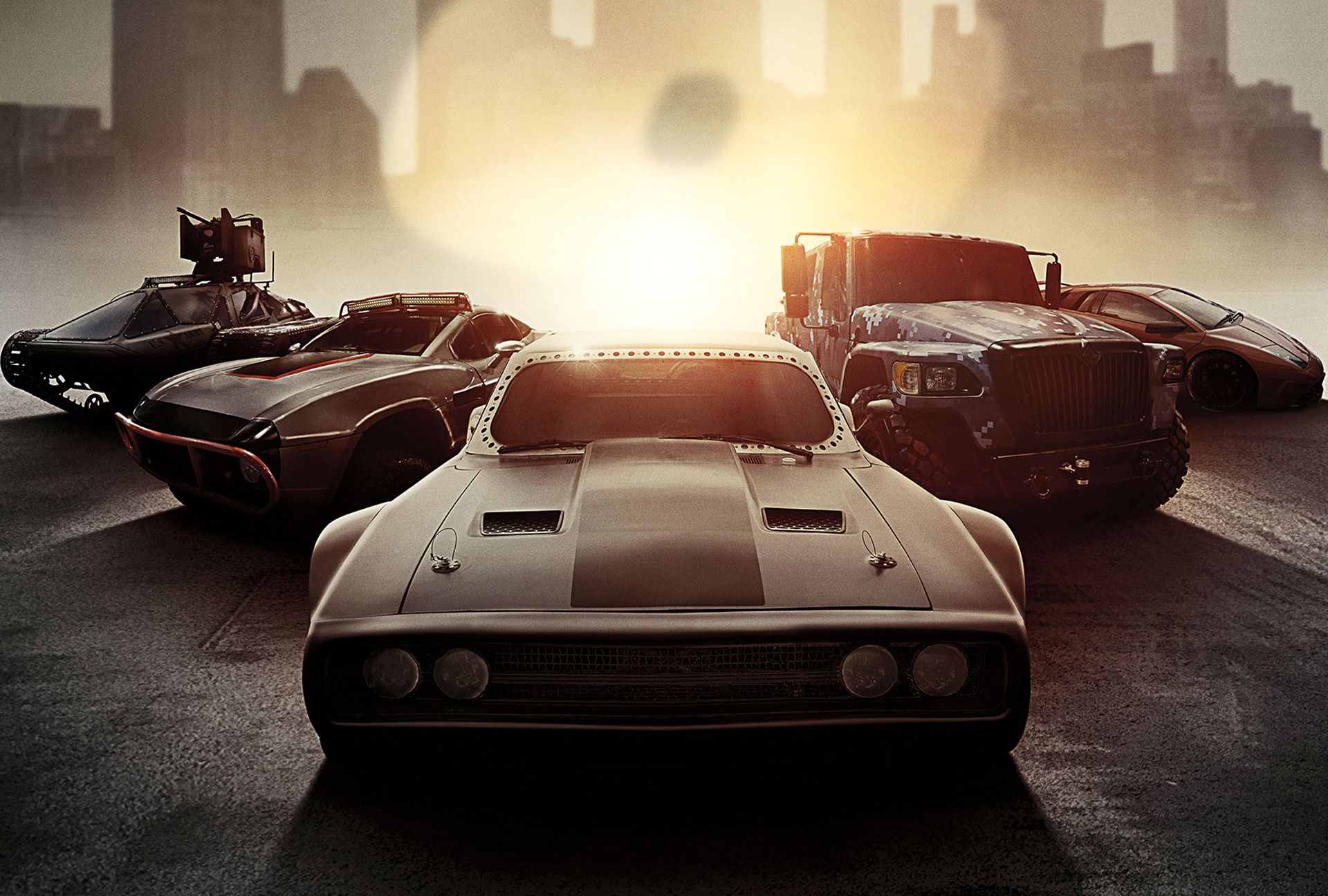
The 2009 film Fast & Furious stands as a vital turning point in modern blockbuster history. Directed by Justin Lin, the fourth installment reunited the original core cast—Vin Diesel, Paul Walker, Michelle Rodriguez, and Jordana Brewster—after an eight-year absence. Rather than fading into direct-to-video obscurity, this reunion anchored a gritty revenge plot that redefined the trajectory of a struggling street-racing franchise and cemented its actors as global superstars.
This transformation wasn't a stroke of accidental luck. It relied on a deliberate pivot toward serialized emotional stakes, anchoring high-octane action to the core concept of family. By examining how the principal cast returned, how their off-screen bonds translated on-screen, and how the narrative shifted, we can see why this specific chapter turned a declining brand into a multi-billion-dollar juggernaut.
The State of the Franchise Before the Fourth Film
By 2009, the series was on life support. The first movie in 2001 was a surprise hit, but the sequels stumbled. 2 Fast 2 Furious (2003) lacked Vin Diesel, and The Fast and the Furious: Tokyo Drift (2006) discarded the main characters entirely, focusing on a new cast with only a brief cameo by Diesel at the very end.
Universal Pictures considered sending the franchise straight to video. However, director Justin Lin and producer Neal H. Moritz believed that bringing back the original four leads could salvage the property. Vin Diesel agreed to return, but only if he could also produce, granting him creative control over the character arcs. This leverage allowed the production to focus on continuity rather than quick cash grabs.
Reuniting the Core Cast: Diesel, Walker, Rodriguez, and Brewster
The narrative engine of the fourth film kicks off with a tragedy: the apparent murder of Letty Ortiz (Michelle Rodriguez). This event forces Dominic Toretto (Vin Diesel) out of hiding and brings him into an uneasy alliance with FBI agent Brian O'Conner (Paul Walker).
Vin Diesel as Dominic Toretto
Vin Diesel's return anchored the movie's moral center. Dom evolved from a simple street-racing antagonist into a strict code-driven patriarch. Diesel understood that audiences didn't just want muscle cars; they wanted a surrogate family. His gravelly delivery and intense physical presence established Toretto as an anchor point that could hold absurd action sequences together with genuine emotional weight.
Paul Walker as Brian O'Conner
Paul Walker brought vulnerability and moral conflict to the badge. In this installment, Brian is trapped between corporate federal bureaucracy and his loyalty to Dom and Mia (Jordana Brewster). Walker's grounded performance prevented the film from slipping entirely into cartoonish territory. His chemistry with Diesel—built on mutual respect and friction—carried the emotional core of the movie.
Michelle Rodriguez and Jordana Brewster
Michelle Rodriguez's brief screen time as Letty sets the entire plot in motion, proving her character's death was the emotional anchor the franchise needed to mature. Meanwhile, Jordana Brewster anchored Mia Toretto with quiet strength, bridging the gap between the criminal underworld and normal human stakes.
Introducing New Blood: Gadot, Ortiz, and Sung Kang
The fourth film also expanded the sandbox by introducing characters who would become franchise staples.
- Gal Gadot as Gisele Yashar: Marking her feature film debut, Gadot brought a cool, tactical composure as a liaison for the drug cartel. Her chemistry with the crew paved the way for her long-term role in subsequent sequels.
- John Ortiz as Arturo Braga: Playing the dual identity of the ruthless cartel leader, Ortiz provided a realistic, chilling antagonist that forced the street racers to operate on an international scale.
- Sung Kang as Han Seoul-Oh: Though Kang's character technically died in Tokyo Drift (set chronologically later), his appearance here looped him into Dom's crew, establishing Justin Lin's sprawling timeline strategy.
From Street Racing to International Heists
The creative masterstroke of the 2009 film was genre-shifting. Justin Lin realized that street racing alone couldn't sustain a long-running franchise.
Instead, Fast & Furious fused underground racing culture with a gritty border-crossing cartel thriller. The opening oil-tanker heist remains one of the most dangerous and practical action sequences in the series, relying on real stunt driving rather than excessive computer-generated effects. This shift allowed the actors to transition from playing car tuners to playing modern-day outlaws, opening the door for the massive heist films that followed, starting with Fast Five (2011).
Common Misconceptions About the Fourth Film
Many casual viewers confuse the timeline or assume this movie was an immediate blockbuster success out of the gate. Critics initially gave the film mixed reviews, panning its basic dialogue and predictable crime plot. However, box office receipts proved otherwise, grossing over $360 million worldwide.
Another common mix-up is the title. Officially released as Fast & Furious (often called Fast & Furious 4 by fans), it dropped the traditional "The" articles from the 2001 original, signaling a hard reset for the brand identity.
Frequently Asked Questions
Why did Vin Diesel leave the franchise after the first movie?
Vin Diesel turned down the initial sequel, 2 Fast 2 Furious, because he felt the script didn't honor the characters and wanted to explore other dramatic and action roles, such as The Chronicles of Riddick. He only returned for a cameo in Tokyo Drift after securing producing rights for future installments.
Is Fast & Furious 4 connected to Tokyo Drift?
Yes. Chronologically, Tokyo Drift takes place after the events of the sixth film, but its final scene featuring Vin Diesel directly teased the partnership and timeline that Justin Lin explored starting with this fourth installment.
How did Michelle Rodriguez return if Letty died in this movie?
Letty’s apparent death in this film was retconned in Fast & Furious 6 (2013), where it was revealed she suffered from amnesia after surviving the explosion, allowing Rodriguez to rejoin the main cast permanently.
What inspired the tone of the 2009 film?
Director Justin Lin and writer Chris Morgan drew inspiration from classic American muscle-car culture, border-town crime dramas, and Asian cinema pacing to give the film a heavier, more atmospheric tone compared to the colorful neon style of the early 2000s.



