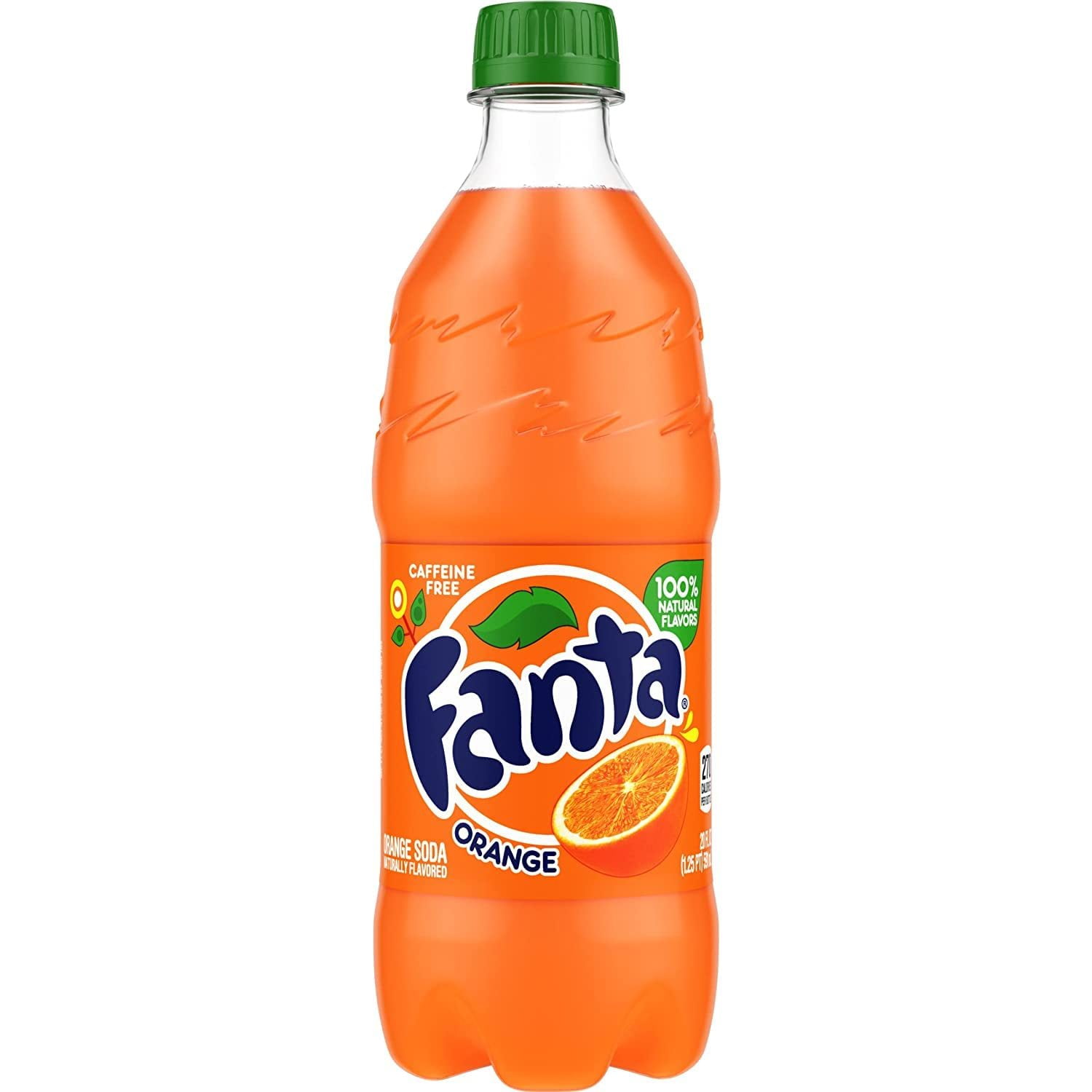
If you've spent any time exploring South American beverage culture, you've likely encountered a bottle of bright red soda that tastes nothing like traditional cola. That drink is Fanta Kola Inglesa, a distinct carbonated beverage rooted in Peruvian heritage and produced by The Coca-Cola Company.
Fanta Kola Inglesa offers a unique flavor profile that departs from standard citrus or dark colas. It blends sweet, fruit-forward notes with a vibrant, bubblegum-like aroma that catches many first-time drinkers off guard. While it shares the Fanta family name, it stands apart from standard orange or grape variants sold in North America or Europe.
What is Fanta Kola Inglesa?
Fanta Kola Inglesa is a carbonated soft drink best known for its bright crimson color and sweet, confectionary flavor profile. Despite the word "cola" in its name, it doesn't contain the traditional kola nut extract or bitter flavor associated with standard colas like Coca-Cola or Pepsi. Instead, it tastes sweet and fruity, often compared by consumers to cream soda, bubblegum, or red berries.
The brand's history in Peru dates back decades, where it established a loyal following among families, children, and diners pairing it with local cuisine. Over time, The Coca-Cola Company integrated the brand into the wider Fanta portfolio while maintaining its distinct regional recipe.
Flavor Profile and Ingredients
Drinking Kola Inglesa is an entirely different experience from opening a standard citrus soda. The aroma hits you immediately with sweet notes reminiscent of strawberries, vanilla, and bubblegum.
The primary ingredients typically include carbonated water, high fructose corn syrup or cane sugar, citric acid, artificial and natural flavors, and red food coloring (such as Red 40). Because it relies heavily on sweet, ester-heavy flavor compounds, it lacks the acidic bite or dry finish found in colas or bitter tonics.
- Color: Striking ruby red or crimson appearance.
- Aroma: Sweet, candy-like fragrance with hints of vanilla and red fruit.
- Carbonation: Medium-high effervescence that helps cut through the heavy sweetness.
Cultural Significance in Peruvian Cuisine
In Peru, soft drinks hold a massive place in daily dining culture, competing closely with traditional beverages like chicha morada and Inka Kola. While Inka Kola remains the undisputed king of Peruvian sodas with its sweet, herbal, lemon-verbena profile, Fanta Kola Inglesa occupies a beloved secondary space.
It's a staple at birthday parties, neighborhood gatherings, and local chifas (Chinese-Peruvian fusion restaurants). Families often serve it ice-cold alongside heavy, savory dishes because the high sweetness level contrasts nicely with salty or spicy foods.
Where to Buy Fanta Kola Inglesa
Finding Fanta Kola Inglesa outside of South America requires a bit of searching. You won't typically find it on standard supermarket shelves in North America or Europe, but you can source it through specific channels:
- Latin American Grocery Stores: Local specialty markets that import goods from Peru or South America frequently stock it in cans or glass bottles.
- Online Specialty Retailers: Websites specializing in imported international snacks and beverages often ship packs directly to your door.
- Peruvian Restaurants: Many authentic Peruvian eateries keep imported sodas stocked in their refrigerators to offer an authentic dining experience.
If you want to read more about global beverage distributions, you can check the The Coca-Cola Company corporate site or browse international product details on Wikipedia.
Common Mistakes When Trying It for the First Time
Many soda enthusiasts make a few common errors when they taste Kola Inglesa for the first time, which can ruin the experience.
- Expecting a traditional cola: Because of the name, people expect a dark, caramel-flavored cola. Expecting that will lead to disappointment. Approach it as a fruit-and-vanilla-flavored soda instead.
- Drinking it warm: This beverage relies on high sugar content and bright esters that taste cloying if the drink isn't properly chilled. Always serve it ice-cold or over plenty of ice.
- Pairing it poorly: Pairing a very sweet soda with a sugary dessert creates a flavor overload. It tastes best alongside savory, salty, or spicy foods like grilled meats, chaufa rice, or empanadas.
Frequently Asked Questions
Does Fanta Kola Inglesa contain caffeine?
No, unlike traditional dark colas, most variants of Kola Inglesa are caffeine-free, making them a popular choice for children and evening family gatherings.
Why is it called "Kola Inglesa" if it's not a cola?
The name historically referred to the style of sweet, red-tinted carbonated beverages popularized in the 19th and early 20th centuries, often modeled after British sweet sodas imported to South America during that era. Over time, the name stuck even as local production took over.
Is it the same thing as Inka Kola?
No. Inka Kola is bright yellow, flavored with herbs and lemon verbena, and has a distinct bubblegum-and-cream-soda taste derived partly from lemon grass. Fanta Kola Inglesa is bright red and features a berry-vanilla flavor profile.
Can you use it in cocktail mixers?
Mixologists occasionally experiment with regional sodas for adventurous tropical drinks. Its sweet profile pairs well with clear spirits like white rum or pisco, provided you balance the high sugar content with fresh citrus juice.



