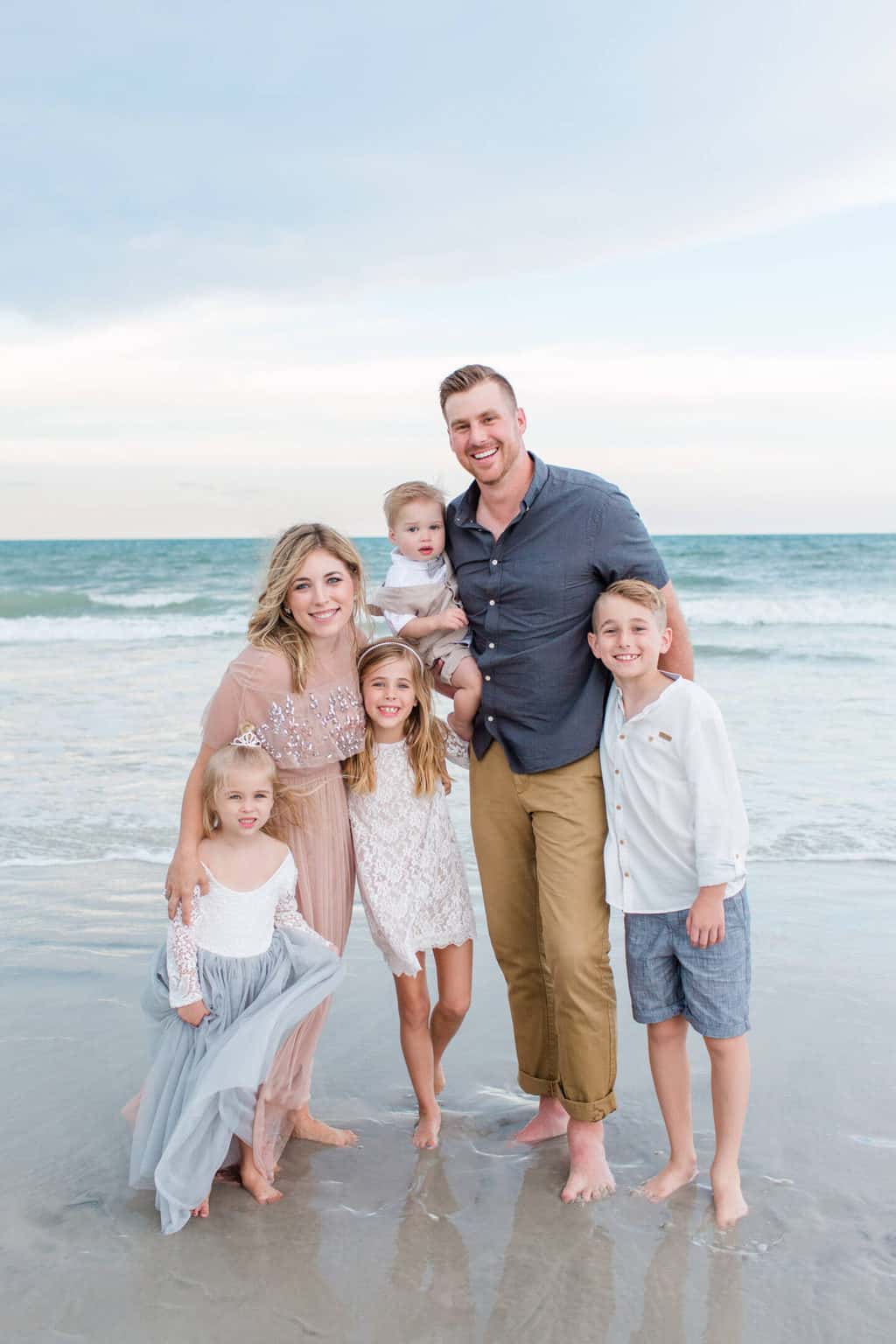
Family orientation shapes how people build romantic partnerships, make long-term decisions, and handle conflict. At its core, family orientation describes a worldview and set of behaviors that prioritize close family bonds, mutual support, and shared responsibilities over pure individualism. In modern relationships, this dynamic creates a secure foundation, but it also introduces unique friction points when two partners hold different expectations about the role of extended family.
Understanding this dynamic requires looking beyond traditional definitions. It affects everything from weekly scheduling to financial choices and boundary setting. When you evaluate a partner's family orientation, you aren't just looking at how they treat their parents; you're examining how they handle loyalty, conflict resolution, and community support.
What Family Orientation Looks Like Today
In past generations, family orientation often meant strictly adhering to hierarchical household structures and rigid societal expectations. Today, it manifests more flexibly. It's less about fulfilling a rigid script and more about intentional connection and emotional availability.
Modern family orientation usually shows up through specific daily behaviors:
- Consistent communication: Regularly checking in with parents, siblings, or chosen family members to share major life updates or everyday moments.
- Active participation in milestones: Showing up for birthdays, graduations, and celebrations, even when schedules get hectic.
- Shared practical support: Helping out during crises, whether that means managing finances, assisting with childcare, or supporting an aging relative.
- Prioritizing time: Setting aside weekends, holidays, or regular evenings for shared meals and gatherings.
These behaviors build a deep psychological safety net. According to guidelines from the American Psychological Association, strong social connections and familial support systems act as primary buffers against chronic stress and burnout.
The Impact on Romantic Partnership and Attachment
When two people form a committed relationship, their individual family orientations collide. If both partners share similar values regarding family involvement, alignment happens naturally. One partner's instinct to call their mother every Sunday matches the other's family habits.
However, a mismatch in family orientation can strain a partnership. Consider a common scenario: one partner comes from a tightly knit family with porous boundaries, where impromptu visits and daily phone calls are standard. The other partner comes from a background that values high independence and strict privacy.
Without open communication, this dynamic breeds resentment. The independent partner might feel suffocated or sidelined by the intrusion of extended family. Meanwhile, the family-oriented partner might feel rejected or unloved by the other's reluctance to engage deeply with relatives. Balancing these needs requires establishing clear boundaries that honor both the romantic union and extended family ties.
Core Benefits of a Family-Oriented Dynamic
Couples who embrace a healthy family-oriented mindset often experience distinct relational advantages over the long term.
Built-In Support Networks
Life brings inevitable crises, from job losses to health scares. A strong family-oriented foundation provides a ready network of practical and emotional assistance. Instead of navigating hardships in isolation, partners can lean on a wider circle of trusted individuals who care about their well-being.
Enhanced Conflict Resolution Skills
Growing up in a functional family unit typically teaches people how to negotiate disagreements, listen actively, and compromise. People with high family orientation often carry these conflict-resolution strategies into their romantic relationships, making it easier to de-escalate arguments and seek collaborative solutions.
Shared Values and Long-Term Stability
When partners prioritize family, they usually share core agreements about responsibility, loyalty, and caregiving. This alignment simplifies major life decisions, such as how to manage finances, where to live, and how to raise children.
Common Pitfalls and Boundary Struggles
Family orientation carries potential downsides when it lacks healthy boundaries. Understanding these traps helps couples protect their relationship from outside interference.
- Triangulation: Allowing parents or siblings to take sides in minor marital disputes instead of resolving them privately between partners.
- Financial Overextension: Prioritizing extended family financial demands over the immediate financial security of the nuclear household.
- Guilt-Tripping: Using family obligations to manipulate a partner into missing out on rest, career goals, or personal independence.
Healthy family orientation values mutual respect over emotional control. It means loving one's relatives deeply while keeping the primary loyalty focused on the partnership itself.
How to Align Different Family Values with Your Partner
If you and your partner sit at opposite ends of the family-orientation spectrum, bridging the gap takes deliberate effort. You don't need identical backgrounds to build a stable life, but you do need explicit agreements.
First, map out your non-negotiables. Discuss how often you want to visit relatives, how holidays should be divided, and what role extended family should play in decision-making. Second, build a distinct culture for your own household. Your primary partnership must function as its own secure team before it integrates into wider family systems. Finally, practice radical empathy. If your partner needs more space from their family, don't take it personally; look at it as a boundary-setting exercise rather than a rejection of family love altogether.
Frequently Asked Questions
Does being family-oriented mean ignoring personal independence?
No. A healthy family orientation coexists with strong personal boundaries and autonomy. It emphasizes mutual care and support without demanding total enmeshment or sacrificing individual goals.
Can someone from an unsupportive family become family-oriented?
Yes. Many people who experience unstable early environments consciously cultivate "chosen families"—close networks of trusted friends, mentors, and partners who provide the same loyalty, safety, and mutual care associated with traditional family structures.
How do I know if my partner's family orientation is unhealthy?
Warning signs include your partner consistently prioritizing extended family demands over your physical or emotional safety, hiding financial decisions made for relatives, or expecting you to submit to intrusive family rules without your input.
Is family orientation genetic or learned?
Family orientation is primarily learned through childhood socialization, observation of parental behaviors, and cultural norms. However, adults can consciously adjust their orientation based on personal values and relationship experiences.



