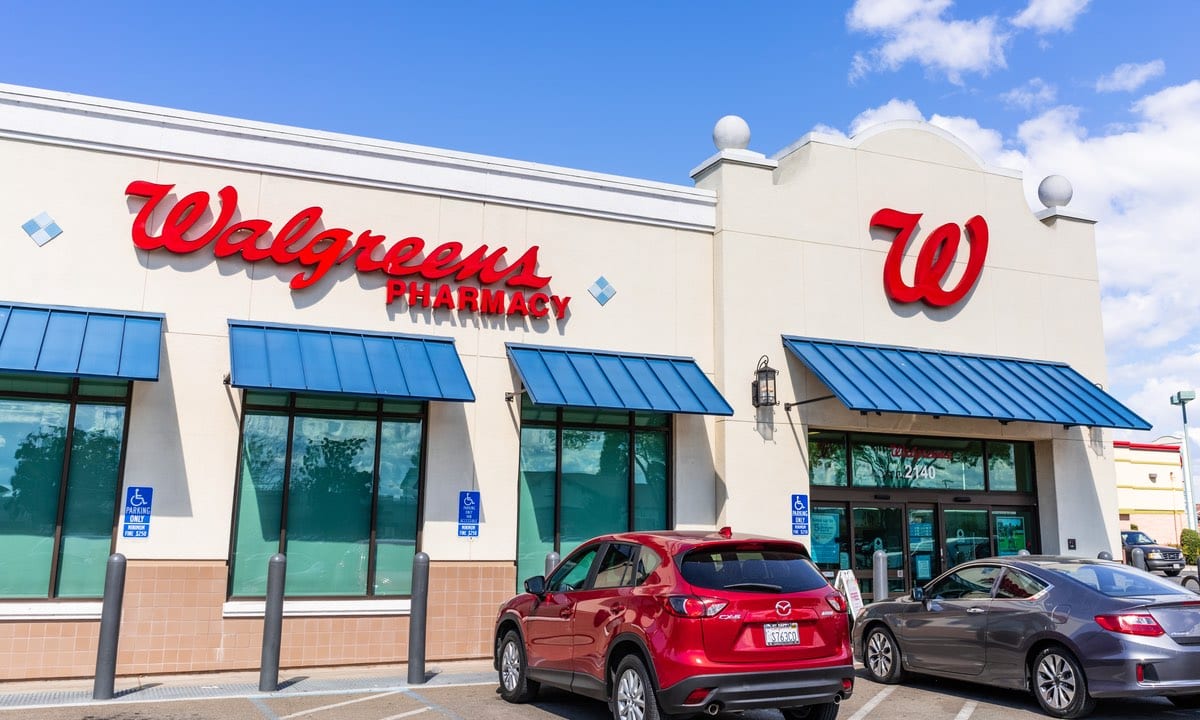
Shopping at deep-discount stores can feel like navigating a minefield of tempting bargains and hidden regrets. When you walk into a store like Family Dollar, the low price tags on shelves often trigger an impulse to buy items you didn't know you needed. Yet, beneath the surface of bright yellow signs and clearance bins lies a complex pricing and inventory structure. Some items deliver genuine value, while others act as clever money traps designed to drain your wallet over time.
Understanding the true value of what sits on discount shelves requires looking past the initial sticker price. By evaluating unit costs, quality discrepancies, and subtle retail psychology, you can transform a routine shopping trip into a strategic exercise in frugality. Let's break down how to distinguish real savings from wasteful spending.
The Psychology of Discount Retail Pricing
Discount stores rely heavily on visual cues and perceived value to drive purchasing decisions. When an item is priced at $1.25 or $3.00, your brain often categorizes it as an automatic bargain without performing mental math.
Retailers structure their store layouts to place impulse items near the checkouts and feature seasonal displays right at the front entrance. These tactics exploit consumer optimism—the belief that low upfront costs always equal long-term savings.
However, price anchoring plays a major role in how these items are perceived. A $5 plastic kitchen tool looks cheap compared to a $20 version at a department store, but if the item breaks after two uses, the low initial price becomes irrelevant. Evaluating durability against cost is the first step in decoding true value.
Identifying Hidden Treasures: What Actually Delivers Value
Not everything on a discount shelf is low quality. Several product categories consistently offer high utility and genuine financial savings compared to traditional supermarkets or big-box retailers.
- Greeting Cards and Party Supplies: Paper goods, gift bags, tissue paper, and greeting cards often carry steep markups at traditional stationery stores. Discount outlets routinely stock these items for a fraction of the cost, and utility remains identical.
- Cleaning Supplies and Household Basics: Generic or lesser-known brands of bleach, sponges, trash bags, and dish soap frequently utilize the same active chemical formulas as name-brand counterparts. Checking ingredient lists lets you secure functional equivalents without paying for brand recognition.
- Storage and Organization Bins: Plastic containers, desk organizers, and storage baskets often match the quality found at higher-end home goods stores while costing significantly less.
For more insights on retail pricing strategies and consumer protection, you can review consumer guidance provided by the Federal Trade Commission.
Spotting Money Traps: Where Consumers Lose Money
While hidden gems exist, discount aisles also harbor products that quietly drain your budget through poor sizing, inferior materials, or hidden unit-price inflation.
- Shrinkflation and Unit Pricing: Always check the cost per ounce, pound, or count. Smaller package sizes at discount stores often carry a higher unit price than bulk options available at warehouse clubs. You might pay $2.50 for a smaller box of laundry detergent, but the cost per load exceeds what you would pay per load on a larger package elsewhere.
- Electronics and Charging Cables: Cheap phone chargers, auxiliary cords, and inexpensive batteries often lack safety certifications. Substandard wiring can damage devices, create fire hazards, or fail within weeks, forcing a quick replacement.
- Personal Care and Cosmetics: Skincare items, hair dyes, and cosmetics past their optimal shelf life or manufactured with lower-grade ingredients can cause skin irritation or fail to perform as expected.
Practical Steps to Maximize In-Store Savings
Navigating discount retail successfully requires a disciplined approach before you even step foot through the doors.
- Check Unit Prices Rigorously: Never rely solely on the total price tag. Calculate the cost per unit to compare items against grocery store sales.
- Leverage Mobile Apps for Verification: Many discount chains offer official apps with digital coupons and barcode scanners that reveal unadvertised clearance pricing. You can learn more about official mobile tools by visiting the Family Dollar Official Site.
- Stick to a Defined List: Enter the store with a specific inventory need rather than browsing open-ended aisles. Impulse purchases easily erase the savings gained from discounted basics.
- Inspect Packaging Carefully: Ensure that health and beauty items or food products are not tampered with, expired, or lacking essential safety seals.
Frequently Asked Questions
Are discount store groceries safe to buy?
Yes, packaged and non-perishable foods are generally safe, provided you check expiration dates and inspect packaging for tears or damage. Avoid buying discounted fresh produce or dairy if turnover rates at that specific location appear slow.
Why do some items ring up cheaper than the shelf tag?
Retailers frequently run unadvertised clearance rotations or markdown cycles. Using store scanning apps or asking associates for a price check can uncover hidden price drops on older inventory.
How do I know if a cheap tool or appliance is worth buying?
Evaluate how often you will use the item. A cheap screwdriver used once a year for a minor household fix offers good value, whereas a frequently used kitchen appliance requires higher durability.
Is buying generic cleaning products always a smart choice?
For basic tasks like wiping counters or washing dishes, generic formulas work wonderfully. For specialized sanitization or heavy-duty restoration, check active ingredient percentages to ensure efficacy.