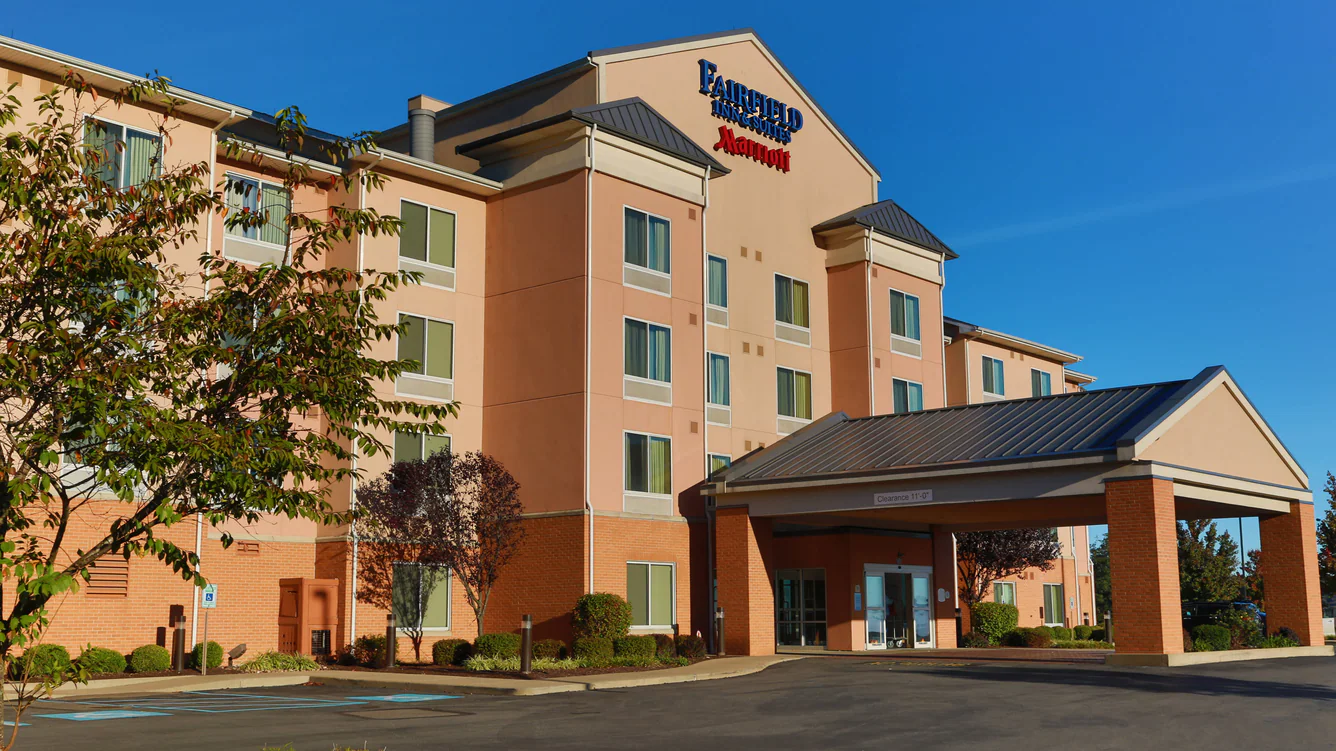
As the county seat and administrative anchor of Solano County, Fairfield plays a central role in shaping the economic, political, and infrastructure landscape of the North Bay region. While neighboring tech hubs capture regional headlines, Fairfield operates as a steady administrative and logistical engine. It bridges the gap between the San Francisco Bay Area and the Sacramento Valley, balancing rapid economic expansion with long-term ecological and civic resilience.
Understanding this dynamic requires looking beyond basic geography. The city's governance model, strategic positioning along major transportation corridors, and proactive infrastructure planning dictate how the entire county absorbs growth without sacrificing community stability.
The Geographic and Administrative Core of Solano County
Fairfield sits at the strategic crossroads of central Solano County, functioning as the primary hub where county operations intersect with municipal execution. As the designated county seat, it houses core judicial, legislative, and administrative services that support surrounding cities like Vallejo, Vacaville, and Suisun City.
This central positioning is reinforced by major transit arteries, most notably Interstate 80, which links Northern California ports and agricultural centers to the broader interstate network. Furthermore, the presence of Travis Air Force Base on the city's eastern flank anchors a massive federal workforce, injecting distinct economic stability and logistical importance into the local ecosystem.
Local leadership relies on coordinated planning between municipal bodies and the Solano County Board of Supervisors. This partnership dictates zoning laws, commercial development permits, and regional housing allocations. Because Fairfield manages a mix of dense urban zones, industrial parks, and protected agricultural buffers, its municipal decisions often set precedents for countywide land-use policies.
Economic Diversification and Regional Growth Pressures
Growth in Solano County doesn't happen in a vacuum. As housing costs in inner Bay Area counties push residents outward, Fairfield has experienced steady residential and commercial expansion. City planners face the delicate task of accommodating new housing developments while preserving the open spaces and agricultural heritage that define the broader county.
Economic development strategies have shifted away from single-industry reliance toward a diversified base that includes logistics, advanced manufacturing, retail, and healthcare. Industrial parks near the Interstate 80 and Highway 12 corridors capitalize on central California's distribution networks, attracting regional fulfillment centers and light manufacturing operations.
- Logistics and Distribution: Strategic highway access reduces shipping friction for regional supply chains.
- Small Business Incubation: Local programs focus on downtown revitalization to retain tax revenue within the community.
- Workforce Development: Partnerships with local educational institutions align technical training programs with regional employer needs.
Despite these advantages, growth brings friction. Traffic congestion along major commuter routes remains a persistent challenge, and municipal budgets must constantly adapt to fund aging infrastructure upgrades, water management systems, and public safety services.
Infrastructure Resilience and Environmental Planning
Long-term viability in Northern California requires rigorous preparation for environmental shifts, water security, and climate stressors. Fairfield's municipal framework incorporates comprehensive local hazard mitigation strategies and sustainability benchmarks designed to protect both urban infrastructure and natural habitats.
Water resource management stands out as a critical focal point. Collaborative initiatives, such as regional water resilience and wastewater treatment programs managed alongside local utility districts, ensure that population growth doesn't outstrip natural supplies. Educational outreach programs integrated into local schools help foster community-wide conservation habits from an early age.
Urban planning efforts also prioritize air quality management and sustainable landscaping. Given the region's susceptibility to seasonal wildfires and valley inversions that trap particulate matter, local agencies enforce strict grading, dust control, and urban greening policies. These measures reduce the urban heat island effect and safeguard public health across vulnerable neighborhoods.
Common Pitfalls in Regional Growth Management
When mid-sized cities anchor county growth, local governments often encounter recurring strategic missteps. Recognizing these pitfalls helps explain why Fairfield's administrative approach relies on measured, data-driven adjustments rather than reactive policy shifts.
- Over-Reliance on Residential Expansion: Building homes without simultaneous commercial development creates fiscal deficits, as residential property taxes rarely cover the full cost of municipal services and road maintenance.
- Neglecting Infrastructure Maintenance: Deferring maintenance on stormwater drainage and sewer systems to fund short-term projects leads to costly emergency repairs later.
- Ignoring Micro-Climate Vulnerabilities: Failing to account for localized flooding or wind patterns during commercial zoning approvals creates long-term hazards for business parks and residential tracts.
- Siloed Decision-Making: Operating municipal departments without cross-agency coordination with county health and transportation boards leads to gridlock and wasted resources.
Frequently Asked Questions
What makes Fairfield the administrative center of Solano County?
Fairfield hosts the county seat, meaning it houses the primary judicial courts, administrative offices, and the Board of Supervisors' meeting chambers where countywide policies are enacted.
How does Travis Air Force Base impact the local economy?
Travis Air Force Base is one of the largest employers in the region, bringing thousands of military and civilian personnel who contribute significantly to local housing demand, retail spending, and federal economic stability.
What measures are in place to manage urban sprawl?
The city uses controlled growth boundaries, general plan updates, and infill development incentives to direct new construction toward already-developed areas while protecting surrounding agricultural and open spaces.
How do Fairfield and Solano County coordinate on infrastructure projects?
Municipal public works departments collaborate directly with county transit, flood control, and sanitation districts to pool resources and align regional utility upgrades with city-level zoning permits.



