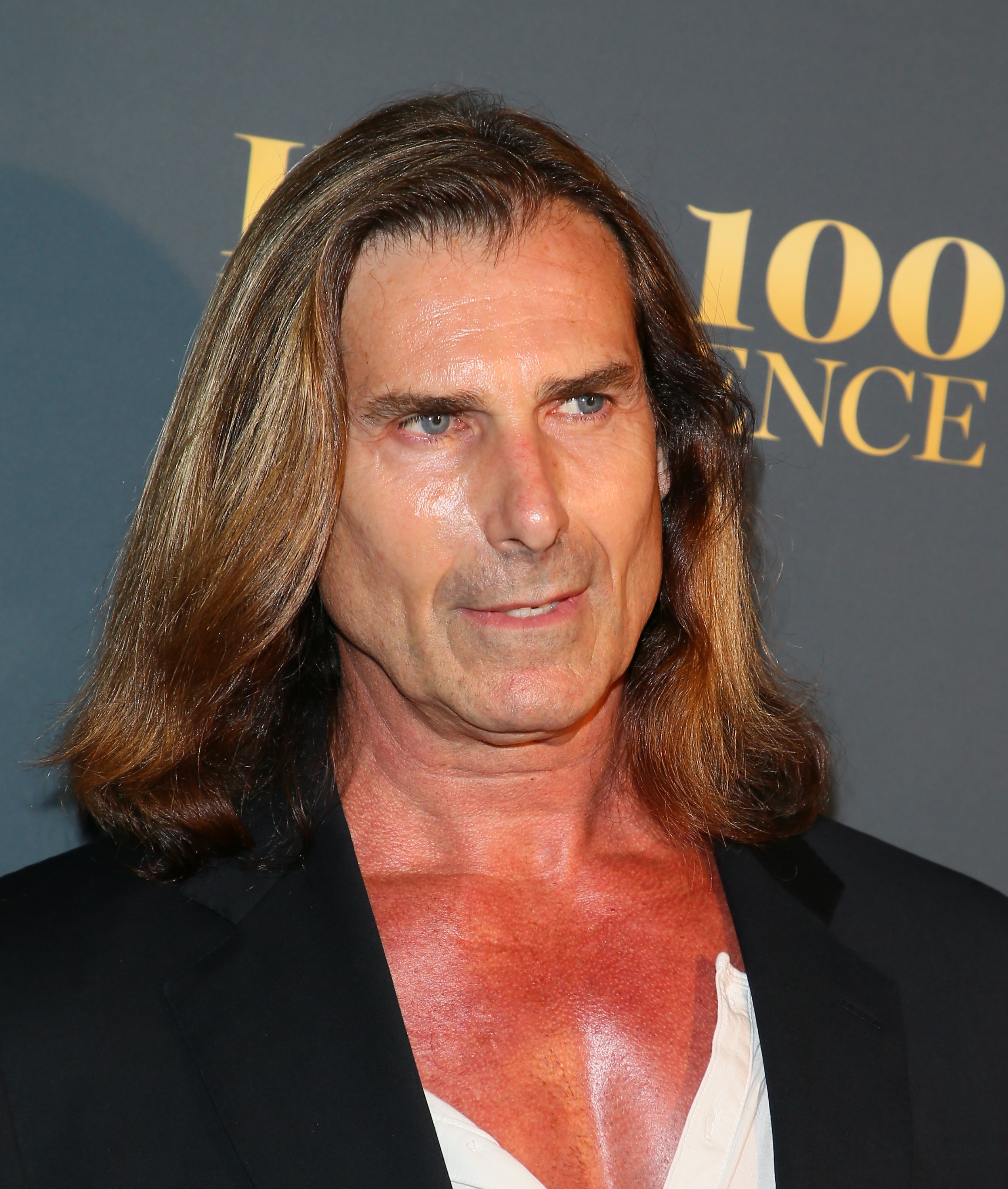
When the iconic romance novel cover model Fabio Lanzoni reached age sixty-three, public curiosity naturally turned toward his romantic history and single status. Popular culture often expects a linear trajectory of marriage and family, especially from figures who defined an era of romantic idealization. Yet, his path offers a distinct perspective on living life on one's own terms, prioritizing personal freedom, discipline, and intentional purpose over traditional milestones.
Examine public commentary or profile pieces regarding his journey, and you will find a recurring fascination with why some individuals choose a lifelong path outside of marriage. Rather than viewing singlehood through a lens of deficit, contemporary sociology increasingly recognizes it as a deliberate choice for self-actualization. This article explores how personal autonomy shapes long-term fulfillment, the realities of maintaining high relationship standards, and what it means to build a legacy without traditional legal bonds.
The Evolution of Lifelong Singlehood
Society has shifted dramatically regarding how adults measure a successful life. Decades ago, marriage served as an essential economic and social anchor. Today, many adults reject rigid timelines, opting instead for individual agency and emotional independence.
When public figures like Fabio remain unmarried into their sixties, it challenges conventional expectations. For many, this status reflects a deep commitment to personal freedom rather than an aversion to affection. Maintaining absolute autonomy allows individuals to dedicate their energy entirely to creative pursuits, health regimens, and professional passions.
- Autonomy over routine: Designing daily schedules without needing to compromise with a partner.
- Vocation as anchor: Channeling intense focus into career achievements, fitness, or public enterprise.
- Selective companionship: Valuing high-quality, deep connections over formal institutional arrangements.
Balancing High Standards with Personal Accountability
A recurring theme in discussions about lifelong singlehood involves the role of standards. When people spend decades relying only on themselves, adjusting to another person requires immense compromise.
As noted in profiles detailing his philosophy on life and wellness, treating one's routine with strict discipline leaves little room for misalignment. Just as he famously compared physical maintenance to caring for a high-performance vehicle, emotional alignment demands a precise fit. Settling for convenience often undermines long-term peace.
- Define core values early: Understand non-negotiable personal boundaries before entering any serious dynamic.
- Prioritize self-reliance: Build emotional and financial stability independently so that any partnership stems from desire rather than necessity.
- Accept past regrets honestly: Acknowledge previous relationship missteps without letting them dictate an entire future.
According to historical interviews archived by outlets like People, the desire for an authentic connection remains strong even when someone stays unmarried for decades. The challenge lies in finding a partner who matches an established, highly independent lifestyle.
Redefining Legacy Beyond Marriage and Children
Traditional markers of legacy often center on lineage and family name. However, individuals who navigate life outside of traditional marriage frequently discover alternative methods for leaving a lasting footprint.
Mentorship, creative output, and cultural influence serve as powerful vehicles for purpose. For instance, shaping public perceptions through fitness, media, or business ventures creates an impact that reaches far beyond a single household.
- Intellectual and creative contributions: Building a body of work that outlasts personal milestones.
- Community influence: Guiding younger generations through shared wisdom and professional experience.
- Personal health optimization: Focusing heavily on longevity, vitality, and physical discipline as an everyday art form.
For further reading on how modern demographics approach singlehood and aging, see sociological breakdowns on Pew Research Center.
Frequently Asked Questions
Has Fabio ever been married?
No, he has never been married, though he has expressed openness to finding the right partner later in life.
What is his daily approach to health and longevity?
He maintains a strict routine focused on physical fitness, clean nutrition, avoiding harmful habits, and utilizing recovery practices like hyperbaric chambers to combat aging.
Why do some people choose lifelong singlehood?
Many prioritize absolute personal freedom, career focus, and emotional self-sufficiency over traditional societal milestones.
Does choosing not to marry mean rejecting romance entirely?
Not necessarily. For many, singlehood is simply a refusal to settle for incompatible dynamics, leaving the door open for selective, high-quality companionship.



