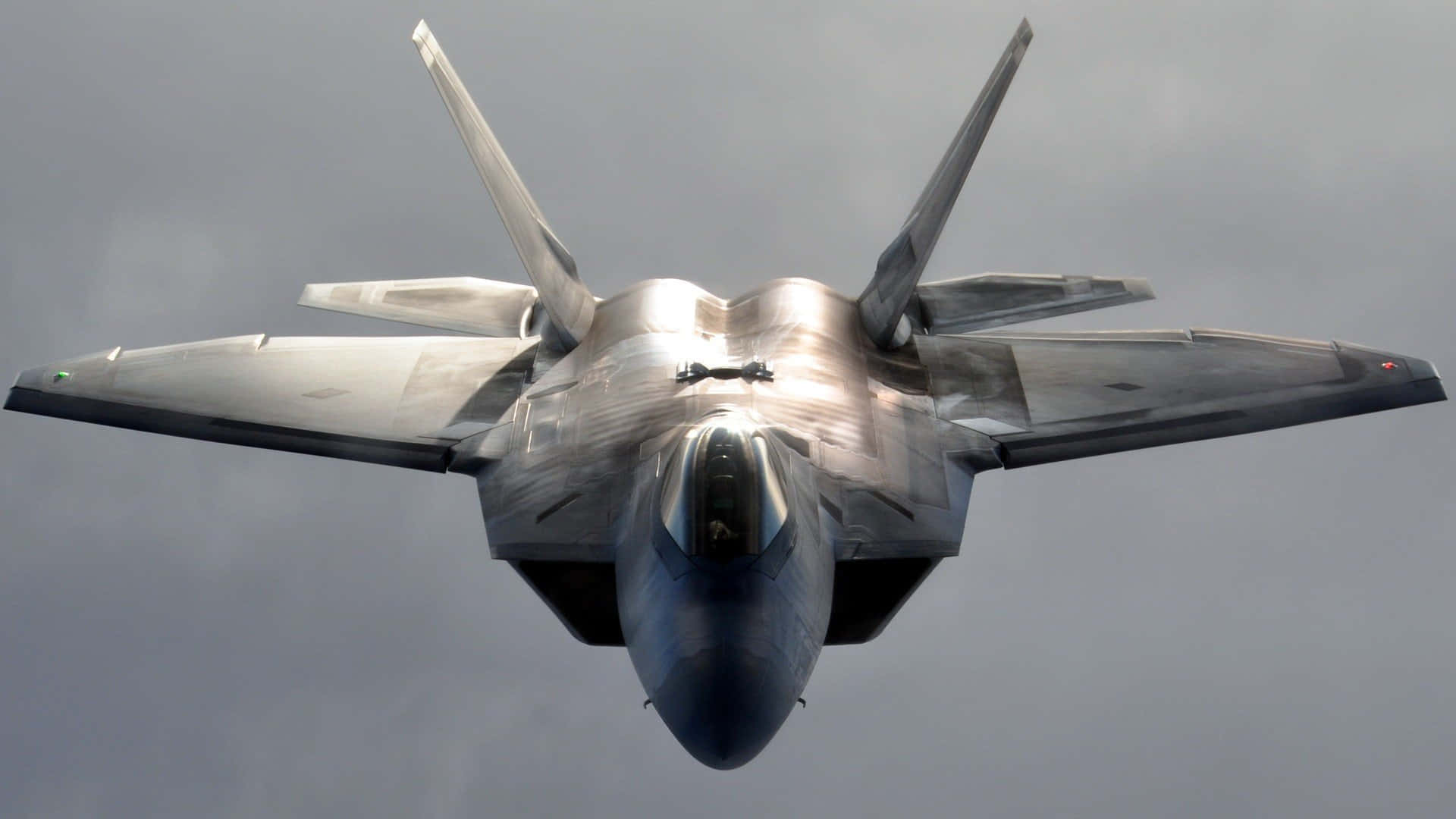
The Lockheed Martin F-22 Raptor reaches a maximum documented top speed of approximately Mach 2.25, which translates to roughly 1,500 mph (2,414 km/h) at high altitudes. Beyond raw velocity figures, the aircraft's defining engineering triumph is its ability to supercruise—maintaining speeds exceeding Mach 1.5 without engaging fuel-thirsty afterburners. Understanding how the Raptor achieves these numbers requires looking past marketing metrics into thermodynamic limits, thrust-to-weight ratios, and airframe material constraints.
Official data published by the U.S. Air Force F-22 Fact Sheet highlights that raw speed is only part of the platform's aerodynamic profile. Air density, kinetic heating, and engine inlet mechanics dictate how fast the fighter can safely travel in real-world combat environments.
The Reality of Mach 2.25 at Altitude
Speed in aviation isn't a fixed speedometer reading; it changes dynamically with ambient air temperature and pressure. At sea level, sound travels faster because molecules are tightly packed. As an aircraft climbs, air density drops, altering the local speed of sound.
The F-22 achieves its headline-grabbing Mach 2.25 figure in the thin air of the stratosphere, typically above 36,000 feet. At these heights, reduced atmospheric drag allows the airframe to push further past the sound barrier without suffering catastrophic structural dynamic pressure, known as q.
If you drop the aircraft down to sea level, the dense air introduces massive aerodynamic drag. At low altitudes, the Raptor's maximum speed drops to around Mach 1.21. Pushing past that near the deck would generate extreme skin friction and structural heat that the airframe isn't optimized to sustain long-term.
How Supercruise Changes Air Combat Physics
Most supersonic fighter jets rely on afterburners—dumping raw fuel directly into the hot exhaust stream—to punch through the sound barrier. This process burns fuel at an alarming rate, drastically shrinking a fighter's operational combat radius.
The Raptor bypasses this limitation using dual Pratt & Whitney F119-PW-100 engines. Each engine produces over 35,000 pounds of thrust with advanced compressor designs. This massive dry thrust allows the aircraft to supercruise at speeds up to Mach 1.82 cleanly on internal fuel.
- Extended Range: Without afterburners scorching fuel, the aircraft stays on station longer.
- Reduced Thermal Signature: Lower exhaust temperatures make the jet harder for infrared sensors to track.
- Kinematic Energy Advantage: Launching a missile from a supercruising platform gives the weapon a massive initial speed boost, extending its effective engagement range.
Aerodynamic Design and Heat Management
Flying at twice the speed of sound creates intense friction between air molecules and the aircraft's skin. At Mach 2.25, surface temperatures on the nose and leading edges can easily exceed hundreds of degrees Fahrenheit.
The F-22 manages this thermal load through specialized materials. Its exterior incorporates radar-absorbent materials (RAM) and composite structures that must withstand both high heat and structural bending forces without degrading the stealth profile. Pilots note that prolonged flight at absolute top speed causes thermal expansion across the airframe, requiring strict flight envelope management by the digital flight control system.
Furthermore, the aircraft's variable-geometry inlet ramps slow incoming supersonic air down to subsonic speeds before it enters the engine compressor face. Managing this shockwave interaction efficiently at Mach 2+ without unstarting the engine is a masterclass in modern aerodynamic engineering.
Clean Configuration vs. Combat Loadouts
Published top speed figures assume a "clean" aerodynamic layout—internal weapons bays closed and smooth contours intact. In actual combat scenarios, external factors alter these physics.
While the F-22 is designed to carry its weapons internally to preserve its stealth shape, it can mount underwing pylons for ferry flights or heavy ordnance missions. External tanks and pylons introduce severe drag and radar cross-section spikes, heavily penalizing both top speed and supercruise efficiency. For true high-Mach dashes, the jet must rely entirely on its internal carriage.
Frequently Asked Questions
Can the F-22 outpace other modern stealth fighters?
Yes, in terms of sustained supercruise and high-altitude top speed, the F-22 outpaces contemporaries like the F-35 Lightning II, which maxes out around Mach 1.6. Its raw kinematic performance remains among the highest of any operational tactical fighter.
Does carrying weapons internally affect its top speed?
Internal carriage minimizes drag compared to external pylons, allowing the F-22 to maintain its maximum performance envelope even when fully loaded for an air-to-air mission.
Why doesn't the F-22 fly faster than Mach 2.25?
The limiting factor isn't just engine power; it's thermal limits and material science. Titanium and composite structures begin to degrade under the sustained friction heat generated beyond Mach 2.25 without heavier, cooling-intensive alloy redesigns.
Is the F-22's top speed classified?
While the official public figure is cited at Mach 2.25, aerospace analysts widely agree that the absolute maximum depends on atmospheric conditions, fuel weight, and structural life limits enforced by the U.S. Air Force maintenance commands.



