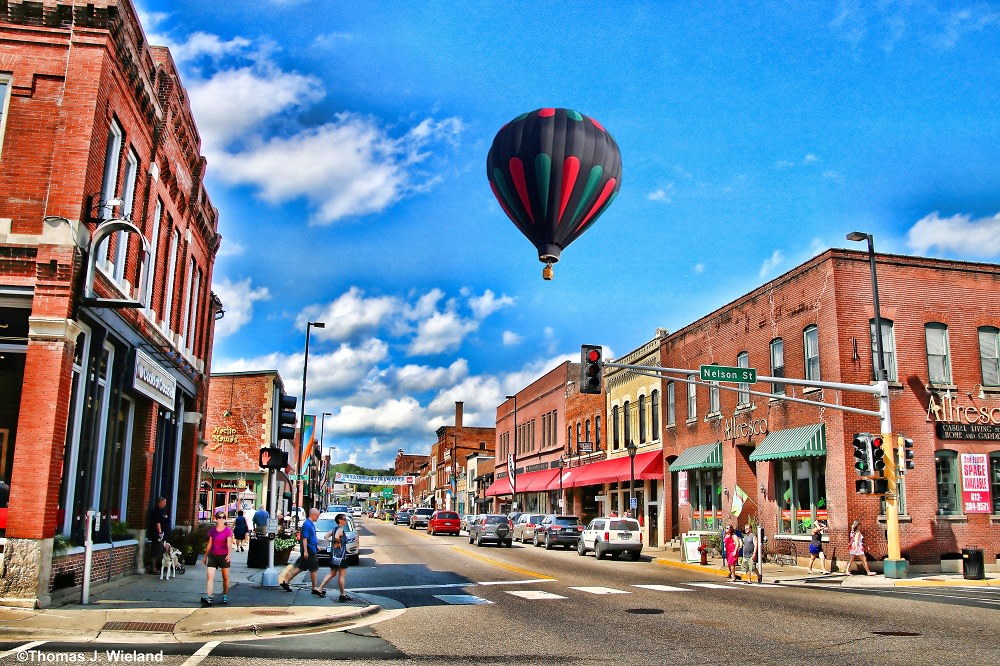
A sudden wave of visitor demand is reshaping the economic landscape of southwestern Indiana. Recent hotel bookings across Evansville point to a broader shift in regional travel patterns, driven by sports tourism, convention activity, and an expanding regional footprint. As local hospitality operators adjust to higher occupancy metrics, municipal leaders and business owners are taking a closer look at what this growth means for infrastructure, employment, and long-term community development.
Understanding this momentum requires looking past basic reservation counts. Visitor demand isn't just filling rooms on weekends; it's altering how local businesses staff their operations, how developers plan new commercial properties, and how the city positions itself as a regional hub.
The Drivers Behind the Evansville Visitor Surge
Several distinct factors explain why lodging providers and local venues are seeing sustained booking momentum. Rather than relying on a single seasonal spike, the region benefits from a diversified influx of travelers.
- Sports Tourism and Mega-Events: Facilities like the Deaconess Sports Park and Goebel Soccer Complex draw thousands of families and athletes from across the Midwest, generating hundreds of thousands of room nights over recent years.
- Convention and Business Travel: The city's downtown spaces, anchored by the Ford Center and local convention facilities, consistently host regional conferences, trade associations, and entertainment tours.
- The Regional Hub Effect: As the third-largest city in Indiana, Evansville acts as a commercial, medical, and cultural center for surrounding rural communities and nearby states like Kentucky and Illinois.
How Increased Demand Shapes the Local Hospitality Market
When occupancy rates climb and advance bookings stretch further out, the operational reality for local hotels and short-term rentals shifts. Operators are no longer just filling empty beds; they're managing yield and adjusting service models to meet the expectations of modern travelers.
Average daily rates (ADR) adjust upward when demand compresses available inventory. While this benefits property revenues, it also raises the bar for guest experience. Local hoteliers face pressure to upgrade amenities, streamline check-in processes through digital apps, and maintain high standards of cleanliness and comfort.
Furthermore, staffing pressures remain a persistent factor. A surge in visitors means front-desk agents, housekeeping teams, and food-and-beverage staff are in high demand. Businesses that offer competitive wages and flexible scheduling find it easier to retain the talent necessary to deliver quality service during peak weekends.
Economic Ripple Effects Across Retail and Dining
Visitor spending rarely stops at the hotel lobby. Every booked room translates into meals at local restaurants, retail purchases, and ticket sales for entertainment venues.
Neighborhoods near downtown and major commercial corridors experience direct economic injection from out-of-town guests. Small business owners often report that tournament weekends or concert nights provide the necessary margin to thrive during shoulder seasons. This steady consumer base encourages new independent eateries and specialty shops to open, enriching the cultural fabric of the city.
For official resources and regional guides on navigating the area, visitors often consult Explore Evansville, which tracks local events and regional attractions.
Challenges and Infrastructure Pressures
Growth brings distinct logistical hurdles. High concentrations of visitors during major events strain local parking infrastructure, create traffic bottlenecks near major venues, and test the capacity of hospitality staff.
Urban planners must balance the desire for tourism expansion with the quality of life for permanent residents. Affordable housing, traffic management, and smart zoning decisions become critical topics of conversation as the region scales its capacity to welcome more travelers. Local leaders look to broader state insights, such as those provided by the Indiana Department of Tourism Development, to benchmark regional performance against statewide trends.
Frequently Asked Questions
What types of travelers contribute most to Evansville's hotel bookings?
A mix of sports tourism participants, regional business travelers, convention attendees, and leisure visitors driving in from neighboring states make up the majority of consistent bookings.
How do sports complexes impact local hotel occupancy?
Large-scale youth and amateur sports tournaments bring in teams and their families for multi-night stays, creating reliable weekend demand spikes that benefit hotels across the city.
Are new hotels being planned to handle the increased demand?
Developers frequently evaluate regional occupancy data and room demand forecasts to determine when and where to introduce new properties, helping keep lodging supply balanced with visitor growth.
How does regional tourism affect everyday residents?
While higher visitor volumes can cause occasional traffic or parking congestion during major events, they also support a wider array of local restaurants, retail options, and entertainment amenities that residents enjoy year-round.



