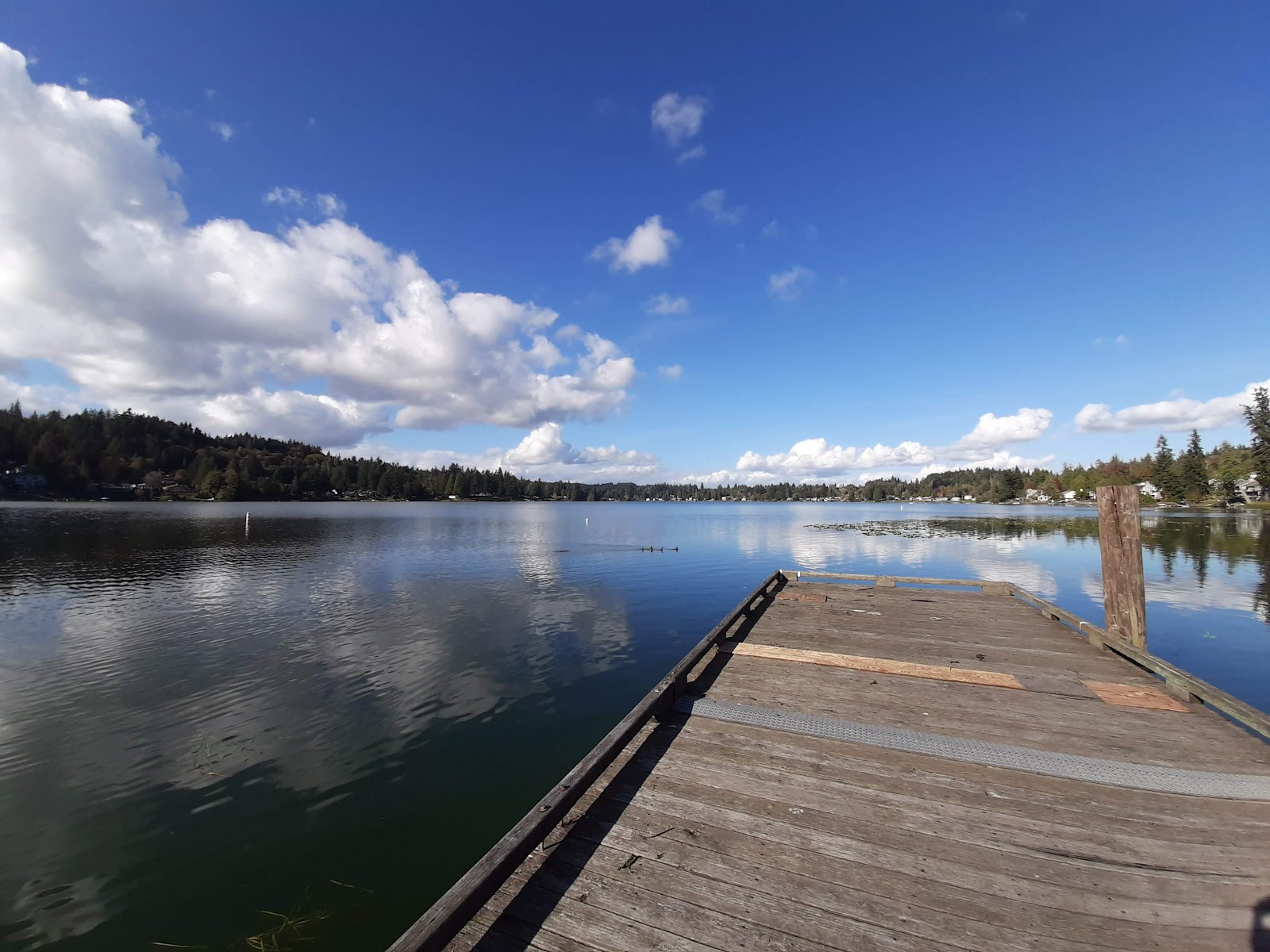
Eutrophication occurs when water bodies become overly enriched with minerals and nutrients, primarily nitrogen and phosphorus. This nutrient overload triggers massive growths of algae, known as algal blooms, which choke out other life forms by severely depleting dissolved oxygen. While natural eutrophication happens slowly over centuries as lakes age, human activities have accelerated this process drastically, turning vibrant aquatic habitats into oxygen-depleted dead zones.
The hidden costs of this chemical imbalance extend far beyond green, murky ponds. Drinking water treatment costs spike, commercial fisheries collapse, and recreational economies suffer. Understanding how excess nutrients enter freshwater systems and ripple through biological food webs is essential for protecting global water resources.
The Biochemical Mechanism of Nutrient Overload
Nutrients like nitrogen and phosphate are fundamental building blocks for life. In balanced ecosystems, plant growth is naturally regulated by the limited availability of these elements. When excessive fertilizers, sewage, or industrial effluents pour into a lake or coastal estuary, that natural limitation vanishes.
Algae and phytoplankton multiply exponentially in response to the sudden nutrient surge. This dense surface layer of microscopic plants blocks sunlight from reaching deeper aquatic vegetation. Deprived of light, sub-surface plants die and stop producing oxygen.
The situation worsens when the massive population of surface algae naturally completes its life cycle and dies. Aerobic bacteria break down the dead organic matter, consuming vast amounts of dissolved oxygen in the process. The water column transitions from a healthy, oxygen-rich environment to a hypoxic or anoxic dead zone where fish, crustaceans, and other mobile marine life must flee or suffocate.
Primary Anthropogenic Drivers of Eutrophication
Human activity introduces millions of tons of reactive nitrogen and phosphorus into watersheds every year. These inputs stem from several distinct sources across industrial and residential landscapes.
- Agricultural Runoff: Modern crop farming relies heavily on synthetic fertilizers. When heavy rains arrive, excess nitrogen and phosphorus wash off fields and drain directly into local streams and rivers.
- Municipal Wastewater: Urban sewage treatment plants often fail to completely strip out dissolved nutrients. Aging infrastructure, combined sewer overflows, and phosphorus-laden household detergents continuously feed municipal waterways.
- Industrial Discharges: Food processing plants, chemical manufacturing facilities, and pulp mills frequently release effluent rich in organic compounds and nitrogenous waste.
- Atmospheric Deposition: Combustion engines and power plants emit nitrogen oxides into the air. These compounds return to the earth via precipitation, loading remote lakes and oceans with airborne nutrients.
Ecological and Socioeconomic Impacts
The degradation of aquatic environments triggers severe biological consequences that ripple through local communities and regional economies.
Fish kills are the most visible sign of advanced eutrophication. Pockets of zero oxygen force thousands of fish to the surface, washing ashore and creating severe biological hazards. Biodiversity plummets as sensitive species vanish, leaving behind hardy, pollution-tolerant organisms.
Certain types of proliferating algae, specifically cyanobacteria, produce dangerous neurotoxins and hepatotoxins. These harmful algal blooms contaminate drinking water supplies, close recreational lakes to swimming, and sicken pets or livestock that drink from affected shores. Municipalities face mounting expenses to upgrade water treatment plants to filter out these toxins and foul odors, costs that are ultimately passed down to consumers.
Mitigation and Watershed Management Strategies
Reversing or preventing nutrient overload requires coordinated management at the watershed scale rather than localized cleanup efforts. Controlling point sources and non-point sources alike is critical for restoring water security.
Precision farming techniques allow growers to apply fertilizers in exact amounts and at times when crops can actually absorb them, minimizing field runoff. Installing vegetative buffer strips and riparian zones along streams traps nutrients before they reach open water. Restoring natural wetlands provides biological filters that absorb nitrates and phosphates naturally.
Municipalities are also upgrading wastewater treatment facilities to incorporate advanced biological nutrient removal technologies. By stripping nitrogen and phosphorus out of effluent before it leaves the plant, cities can drastically lower the baseline nutrient load entering coastal bays and rivers.
Frequently Asked Questions
What is the difference between natural and cultural eutrophication?
Natural eutrophication is a slow, geological aging process where a lake gradually fills with organic sediment and nutrients over thousands of years. Cultural, or anthropogenic, eutrophication is driven by human activities like farming and urban development, accelerating the nutrient loading process within decades rather than millennia.
Why do algae consume oxygen instead of producing it during a bloom?
Algae produce oxygen through photosynthesis, which requires sunlight. In a dense bloom, the sheer thickness of the upper algae layer blocks light from penetrating downward, starving the lower layers. Furthermore, when massive amounts of algae die, aerobic bacteria consume all the remaining dissolved oxygen to decompose the dead tissue.
How do buffer strips prevent nutrient runoff?
Vegetative buffer strips are planted zones of native grasses, shrubs, and trees situated between agricultural fields and water bodies. Their deep root systems stabilize soil, slow down surface runoff water, and absorb excess nitrogen and phosphorus before those chemicals reach the stream.
Can an aquatic ecosystem recover from a dead zone?
Yes, but recovery takes time and strict control of upstream nutrient sources. Once nutrient inputs drop, biological activity gradually stabilizes, dissolved oxygen levels rebound, and native species can slowly recolonize the habitat.



