Every eukaryotic cell houses a sophisticated command center that coordinates every chemical reaction, growth phase, and division cycle necessary for life. Unlike bacterial cells that float their genetic instructions freely in the cytoplasm, eukaryotic organisms enclose their most vital asset—DNA—inside a highly regulated, membrane-bound compartment known as the nucleus. Understanding how this structure operates sheds light on the foundational mechanics shared by all plants, animals, fungi, and protists.
The nucleus serves as the primary storage archive and operational headquarters for cellular information. Protected by a specialized double membrane, it manages the transcription of DNA into messenger RNA, regulates molecular traffic through microscopic channels, and ensures that genetic blueprints are duplicated accurately before a cell divides. Without this compartmentalized control, complex multi-cellular life couldn't maintain the precise internal balance required to survive.
Structure of the Eukaryotic Nucleus
To appreciate how the nucleus directs cellular operations, examining its physical architecture is essential. The organelle isn't just a sealed vault; it's a dynamic, highly active zone with several specialized sub-components working in tandem.
The Nuclear Envelope
The boundary separating the nuclear interior from the surrounding cytoplasm is called the nuclear envelope. This structure consists of two distinct phospholipid bilayers: an outer membrane continuous with the rough endoplasmic reticulum and an inner membrane lined by a supportive protein meshwork called the nuclear lamina. This double-layer design provides mechanical strength and maintains the spherical shape of the nucleus while keeping cytoplasmic enzymes away from fragile DNA strands.
Nuclear Pores and Macromolecular Traffic
Passing through the double membrane requires specialized clearance. Studied closely by cell biologists, nuclear pore complexes act as heavily regulated gateway channels. Small molecules and ions diffuse freely, but larger macromolecules—such as newly assembled ribosomal subunits, transcription factors, and messenger RNA transcripts—require active transport mediated by carrier proteins called importins and exportins. This selective gatekeeping prevents unauthorized molecules from disrupting genetic storage.
Chromatin and the Genome
Inside the nuclear envelope, genetic material isn't tangled like loose yarn; it's organized into chromatin, a complex of DNA wrapped around histone proteins. During normal cell metabolism, this material exists as relaxed euchromatin, allowing enzymes easy access for transcription. When a cell prepares to divide, chromatin condenses tightly into distinct chromosomes, ensuring clean separation of genetic data into daughter cells.
The Nucleolus
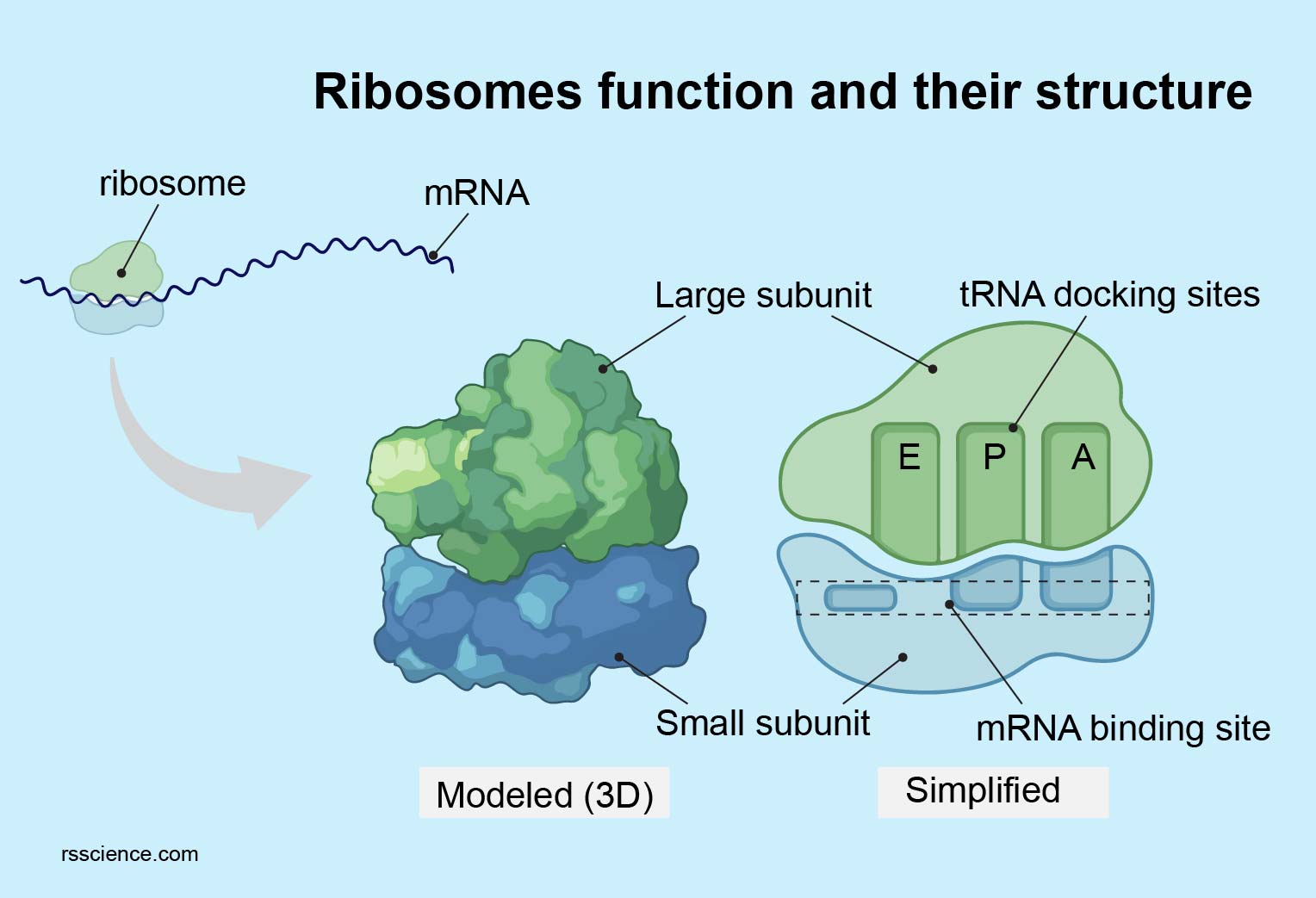
Most nuclei contain a dense, non-membrane-bound structure known as the nucleolus. This sub-region functions as the ribosome factory of the cell. Here, ribosomal RNA is transcribed, processed, and combined with imported ribosomal proteins to form the small and large subunits of ribosomes, which are then exported to the cytoplasm to synthesize proteins.
Core Functions: Beyond Storage
While safeguarding DNA remains its signature job, the nucleus acts as an active manager for cellular adaptation and growth.
- Transcriptional Control: Transcription factors bind to specific DNA sequences inside the nucleus, turning genes on or off in response to external signals like hormones or nutrient availability.
- DNA Replication and Repair: During the S phase of the cell cycle, DNA polymerases replicate the entire genome within the nuclear matrix while proofreading and repair enzymes mend damaged nucleotide sequences.
- Ribosome Biogenesis: Continuous production of ribosomes in the nucleolus ensures the cell has the machinery required for rapid protein synthesis.
According to the National Human Genome Research Institute, gene regulation within this compartmentalized space allows specialized cells in complex organisms to express only the proteins necessary for their specific tissue type, turning a single shared genome into hundreds of distinct cell varieties.
Common Misconceptions About Cellular Nuclei
Cell biology is frequently misunderstood due to simplified textbook diagrams. Clearing up these errors helps build an accurate picture of cellular anatomy.
Many people assume the nucleus sits dead center in every cell. In reality, its position shifts depending on cell type and function. For instance, skeletal muscle cells are multinucleated and push their nuclei toward the cell periphery to maximize room for contractile proteins. Secretory cells often position their nuclei near the basal end closest to blood supplies.
Another frequent error is treating the nucleus as an isolated bubble. Because the outer nuclear membrane connects directly to the endoplasmic reticulum, the nucleus works as part of an integrated, continuous endomembrane system that manufactures and distributes cellular products.
Frequently Asked Questions
Do all eukaryotic cells have a nucleus?
Most mature eukaryotic cells contain a nucleus, but there are notable exceptions. Mammalian red blood cells expel their nuclei during maturation to maximize internal space for oxygen-carrying hemoglobin. Plant phloem sieve tube elements also degrade their nuclei to clear pathways for nutrient transport.
How does material move in and out of the nucleus without breaking the membrane?
Molecules travel exclusively through nuclear pore complexes. These macroscopic protein channels use selective barriers and energy-dependent transport receptors to escort large molecules across the double membrane safely.
What is the difference between chromatin and chromosomes?
Chromatin is the loose, working form of DNA combined with proteins during normal cell metabolism. Chromosomes are the tightly coiled, condensed packages that chromatin forms exclusively during cell division to prevent genetic tangling.
Why did eukaryotic cells evolve a nucleus?
Evolutionary biologists suggest that separating transcription (happening inside the nucleus) from translation (happening in the cytoplasm) provided an extra layer of gene regulation and protection against foreign genetic elements, allowing organisms to grow more complex over time.