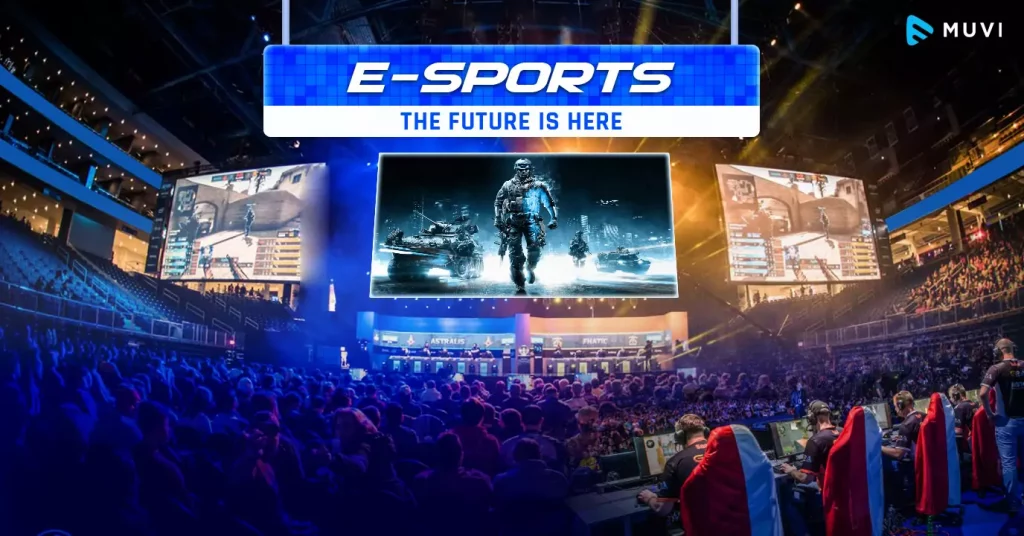
Competitive gaming has evolved from basement LAN tournaments into global arena spectacles. This massive shift directly transformed modern sports betting, forcing traditional bookmakers to rethink how they price odds, manage live data, and engage digital-first audiences.
Esports betting turns video game competitions into active wagering markets, mirroring traditional sportsbooks with match-winner odds, handicap lines, and live prop bets. Rather than treating digital tournaments as novelty side events, major bookmakers now build dedicated esports hubs to capture younger demographics who prefer streaming platforms over cable television.
The Structural Evolution of Esports Wagering
Traditional bookmaking relies on decades of historical data for sports like soccer, basketball, and horse racing. Esports introduced an entirely different operational model. Games update frequently, meta strategies shift overnight, and player careers tend to be shorter due to intense reflex and burnout factors.
Bookmakers had to adapt by hiring specialized traders who understand specific titles like Counter-Strike 2, League of Legends, and Dota 2. Pricing an esports match requires tracking patch notes, roster changes, and map pools rather than traditional athletic statistics. This technical barrier separated legacy sportsbooks from agile operators capable of offering real-time pricing during fast-paced matches.
- Dynamic Data Feeds: Trading teams ingest sub-second game state data to offer live in-play betting without exploitable latency gaps.
- Complex Prop Markets: Wagering expanded beyond simple match winners to include map handicaps, total kills, first blood objectives, and pistol round winners.
- Ecosystem Integration: Major tournament organizers now partner directly with compliance and integrity bodies to monitor suspicious betting patterns.
Changing Demographics and Platform Habits
The core audience driving this market expansion looks very different from traditional bettors. The average esports bettor skews younger, consumes content on Twitch, and often places wagers using alternative payment methods or digital assets.
This audience expects an integrated viewing and betting experience. Platforms that separate the live stream from the betting slip miss the mark. Modern solutions embed live high-definition broadcasts directly onto the odds page, letting users track team economy, ability cooldowns, and objective control while adjusting their positions.
Note: Regional regulations play a massive role in how these platforms operate. While European markets developed mature licensing frameworks early on, North American states took a more fragmented, state-by-state approach to integrating competitive gaming into state-regulated sportsbooks.
Operational Hurdles and Risk Management
Running a profitable esports book involves unique challenges that traditional sports trading rarely encounters. Game developers own the intellectual property, meaning tournament structures can change, or games can fall out of favor faster than legacy sports leagues.
Integrity monitoring remains a top priority. Lower-tier tournaments, particularly in minor regional leagues or academy divisions, face vulnerability to match-fixing because player salaries at the developmental level can be modest. Operators rely on automated anomaly detection tools to flag unusual betting volume on obscure matches before liability spikes.
- Game Developer Control: Publishers hold the power to patch out mechanics, alter tournament circuits, or restrict third-party commercial partnerships.
- High Volatility: Younger teams can experience wild swings in performance, making pre-match modeling less reliable than in structured legacy sports.
- Liquidity Management: Major international championships attract massive betting pools, but smaller regional qualifiers often suffer from low liquidity and restricted bet limits.
Practical Steps for Analyzing Esports Markets
If you're evaluating how to approach competitive gaming lines, treating it like a standard sportsbook will lead to poor results. Success requires understanding the granular mechanics of each title.
- Audit the Patch Notes: Always check the latest game update before placing a wager. A single balance patch can render a top team's preferred strategy entirely obsolete.
- Examine Map Pools and Vetoes: In tactical shooters and strategy games, the map or character draft phase dictates a massive percentage of win probability before the match even begins.
- Track Travel and Schedule Fatigue: Elite teams often travel across multiple continents for tier-one LAN events, leading to jet lag and burnout that standard statistical models miss.
- Evaluate Stand-ins: Roster stability matters immensely. Last-minute substitute players disrupt team chemistry far more frequently than in traditional team sports.
Frequently Asked Questions
What are the most popular games for esports wagering?
Counter-Strike 2, League of Legends, and Dota 2 command the highest betting volume globally, followed closely by titles like Valorant and mobile esports such as Mobile Legends: Bang Bang.
How do live esports odds differ from pre-match odds?
Pre-match odds evaluate historical performance, recent form, and roster strength. Live odds update in real-time based on the current economic state, round score, and map control inside the active match.
Can you use traditional sports betting strategies for esports?
Basic bankroll management principles transfer over directly, but standard statistical handicapping models do not. You must replace traditional metrics with game-specific data like objective control rates and map win percentages.
Why do game patches impact betting odds so heavily?
Unlike physical sports where the dimensions of a court or field remain constant, video game developers alter rules, character strengths, and weapon balances regularly, which forces teams to reinvent their playstyles.
Is cryptocurrency widely accepted on esports betting sites?
Yes, many specialized platforms accept digital assets due to the digital-native nature of the esports community, though traditional fiat payment methods remain standard on fully regulated regional sportsbooks.