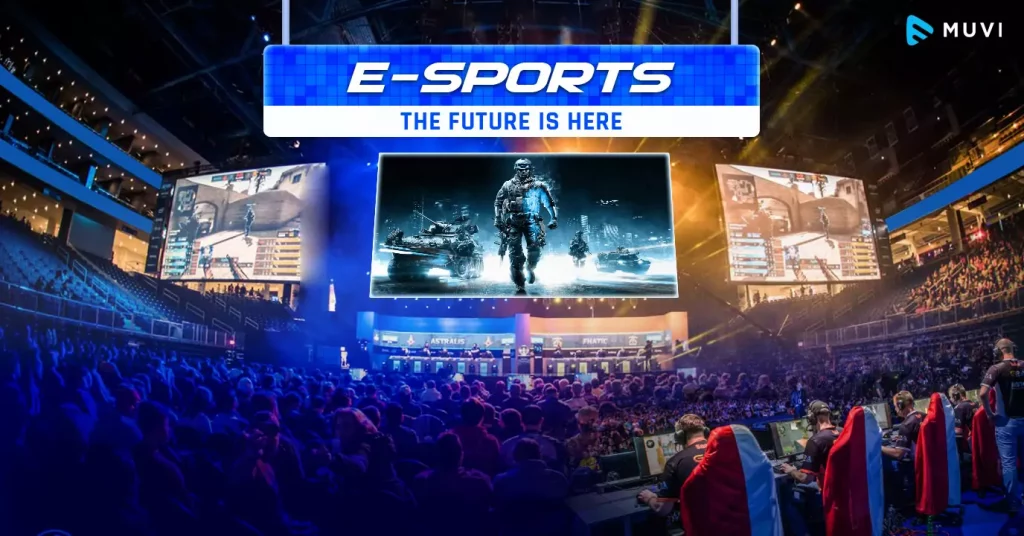
Competitive video gaming has evolved from smoky arcades into a global stadium phenomenon. If you're trying to figure out how organized gaming works, you aren't alone. Millions of spectators tune in daily to watch elite teams battle for multi-million dollar prize pools.
At its core, esports—short for electronic sports—refers to organized, competitive video gaming featuring professional players and structured leagues. Unlike casual couch gaming, this domain operates with rigorous team management, high-stakes tournament circuits, and specialized coaching staffs.
Understanding the Landscape of Competitive Gaming
The ecosystem thrives across several major genres, each demanding distinct cognitive and mechanical skill sets. Knowing these categories helps you navigate tournaments and broadcasts without feeling lost.
- Multiplayer Online Battle Arenas (MOBAs): Games like League of Legends and Dota 2 pit two teams of five against each other. Each player controls a single hero with unique abilities, working together to destroy the enemy's core base.
- First-Person Shooters (FPS): Titles such as Counter-Strike 2 and Valorant test raw reaction times, tactical positioning, and precise aim in fast-paced gunfights.
- Fighting Games: Competitions in Street Fighter or Tekken focus on one-on-one matchups where frame-data knowledge and mental fortitude dictate victory.
- Battle Royales: Games like Apex Legends drop dozens of players onto a shrinking map where the last individual or squad standing wins.
The Anatomy of a Professional Esports Organization
Top-tier teams function much like traditional sports franchises. They aren't just groups of friends playing online; they are corporations backed by venture capital, endemic sponsors, and global fanbases.
An established roster includes head coaches, strategic analysts, sports psychologists, and physical therapists. Players endure grueling daily practice schedules—often lasting ten to twelve hours—focusing on tactical execution, map control drills, and review sessions. Burnout and physical strain, such as repetitive strain injuries, are constant occupational hazards that organizations must actively manage.
How to Get Started as a Competitor
If you want to move beyond watching and start competing yourself, a structured approach is essential. Don't expect to jump straight into professional leagues without building a foundation.
- Pick one game: Master a single title rather than spreading your focus across five different genres. Deep mechanical fluency takes thousands of hours.
- Analyze your gameplay: Record your matches. Watch professional player POV (point-of-view) streams to study positioning, timing, and resource management.
- Join regional ladders: Utilize matchmaking queues and amateur platforms like FACEIT to find competitive opponents of similar skill levels.
- Build communication habits: If you play team-based games, clear callouts and emotional regulation during losses are just as vital as raw aiming mechanics.
The Economic Engine: Where Revenue Flows
The digital arena generates income through multiple streams. Media rights deals, in-game cosmetic sales, ticket revenue from live arena events, and major corporate sponsorships drive the financial ecosystem. Brands from non-endemic sectors—such as automotive companies, luxury fashion houses, and financial institutions—pour capital into team jerseys and tournament naming rights.
Content creation and streaming platforms like Twitch also allow players and commentators to build personal brands, turning individual personality into a secondary income source.
Common Mistakes Beginners Make
Jumping into the competitive scene can be overwhelming. Avoid these frequent missteps:
- Neglecting physical ergonomics: Sitting slumped over a keyboard for eight hours ruins posture and leads to wrist injuries. Invest in a proper desk setup and take mandatory stretch breaks.
- Chasing gear over fundamentals: Expensive mice and mechanical keyboards won't fix poor positioning or slow decision-making. Focus on core mechanics first.
- Toxifying team dynamics: Blaming teammates destroys morale. Constructive feedback wins games; shouting matches lose them.
Frequently Asked Questions
Do I need an expensive PC to start playing competitive games?
Not necessarily. While high-end hardware helps in fast-paced shooters by maximizing frame rates, many popular tactical games and mobile esports titles run smoothly on mid-range hardware.
How do professional esports players make money?
Players earn a base salary from their organizations, a cut of tournament prize winnings, and personal sponsorship or streaming revenue. Top earners also secure revenue shares from branded in-game items.
Is esports recognized as a real sport?
While it lacks physical exertion in the traditional athletic sense, the International Olympic Committee and various national sports authorities recognize competitive gaming as a distinct mind-sport requiring elite reflexes and strategic coordination.
How old do you have to be to go pro?
Most professional leagues enforce a minimum age requirement of 17 or 18 years old due to labor laws, tournament regulations, and contract validity, though amateur talent often begins building a reputation years earlier in online qualifiers.



