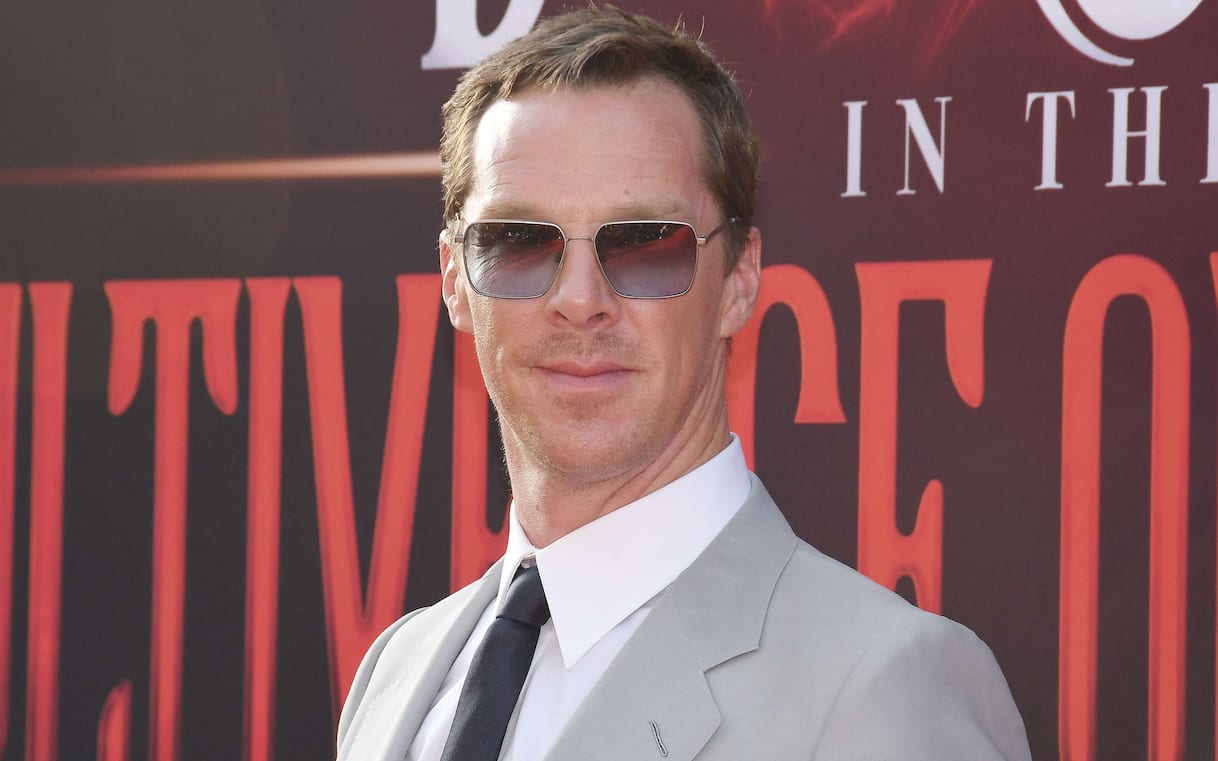
Physical stature has long held an unspoken place in political branding. When voters look at a candidate on a debate stage or screen, unconscious biases frequently link height with authority, capability, and leadership potential. The discourse surrounding Eric Swalwell height highlights how physical presence interacts with modern political optics. While public figures are judged primarily by their policy platforms, communication skills, and voting records, the visual medium of politics ensures that bodily dimensions remain an underlying factor in public perception.
Standing roughly around average height for an American male, Swalwell's physical stature doesn't automatically dominate a room through sheer vertical intimidation. Instead, his career demonstrates that communication efficacy, media readiness, and direct voter engagement often override traditional physical advantages. Understanding why observers analyze political stature requires examining the historical weight of height in elections, the psychological biases of voters, and how contemporary politicians manage their visual presentation.
The Psychology of Stature in Electoral Politics
Voters process candidates through a combination of auditory, textual, and visual cues. Social psychology research consistently indicates that taller individuals often enjoy a baseline advantage in perceived competence and dominance. This phenomenon, sometimes referred to as the height premium, traces back to evolutionary impulses where physical size correlated with protection and leadership capabilities.
In a legislative chamber or during a televised debate, these subconscious associations can subtly influence how a viewer evaluates a candidate's assertiveness. However, height alone rarely wins elections. While a towering presence might command initial attention, it can just as easily backfire if the candidate lacks substantive communication skills or comes across as unapproachable. For another look on this development, see the latest update from Reuters.
For politicians who do not possess an imposing physical stature, success depends on projecting authority through other channels. Voice modulation, steady eye contact, sharp rhetorical command, and confident body language serve as powerful equalizers. When evaluating figures like Eric Swalwell, political analysts look at how active engagement on digital platforms and television appearances shape public authority independently of inches and centimeters.
Media Optics and the Television Era
The intersection of politics and television changed the value of physical stature forever. When debates shifted from radio broadcasts to living room screens with the historic 1960 Kennedy-Nixon face-off, visual presentation became paramount. Camera angles, lighting, posture, and wardrobe now dictate how dominant a political figure appears to constituents at home.
Television framing often neutralizes extreme differences in height. Modern broadcast production relies on head-and-shoulders shots, podium adjustments, and carefully staged backdrops that place candidates on equal visual footing. Consequently, a politician's on-camera comfort and ability to deliver concise, compelling soundbites outweigh raw physical dimensions.
- Podium Dynamics: Standardized podium setups obscure lower body stature, shifting the focus entirely to upper body gestures and facial expressions.
- Camera Framing: Close-up shots prioritize facial engagement and eye contact over height differentials.
- Staging and Posture: Slouching or rigid posture impacts perceived confidence far more than an individual's actual vertical measurement.
Relatability Versus Authoritarian Stature
An interesting paradox exists within voter psychology. While tall candidates may initially score higher in abstract measures of dominance, average-height or shorter politicians often rate higher in perceived relatability and trustworthiness. Voters frequently look for leaders who mirror their own lived experiences rather than distant, towering figures.
A politician standing at an average height can leverage that physical baseline to cultivate an approachable, everyday persona. This approach aligns well with grassroots campaigning, town hall meetings, and retail politics, where handshaking and direct eye contact matter more than distant stage presence. Rather than relying on physical imposingness, successful communicators build authority through policy depth and persuasive argument.
To explore broader trends in political communication and legislative history, consult records from the U.S. House of Representatives and historical analyses provided by the Library of Congress.
Managing Public Focus on Non-Political Attributes
Public figures frequently encounter media narratives that fixate on superficial traits rather than legislative achievements. When discussions veer toward physical appearance, height, or wardrobe choices, politicians must strategically pivot back to substantive issues.
Maintaining message discipline ensures that media cycles focus on policy positions rather than trivial metrics. Whether addressing housing affordability, criminal justice reform, or national security, a disciplined public servant redirects audience attention toward legislative impact.
- Direct Pivot Techniques: Acknowledge a casual query briefly before transitioning immediately to a core policy stance.
- Digital Self-Representation: Utilize official channels and social platforms to curate a professional focus centered on constituent service.
- Substance-First Engagement: Prioritize town halls and policy white papers that demand deep engagement from voters and reporters alike.
Frequently Asked Questions
How tall is Eric Swalwell?
Eric Swalwell stands around 6 feet tall, placing him close to the average height for an adult American male.
Does height actually affect election outcomes?
While academic studies suggest taller candidates occasionally experience statistical advantages in high-profile executive races, height is a minor variable compared to party affiliation, economic conditions, campaign financing, and messaging.
How do politicians compensate for average or below-average height?
Politicians offset physical stature through strong public speaking skills, mastery of media optics, persuasive rhetoric, and active, relatable engagement with grassroots communities.
Why do media outlets focus on physical attributes?
Media commentary often incorporates physical descriptions and stature to humanize narratives or frame dynamic interactions between political rivals on a crowded stage.


