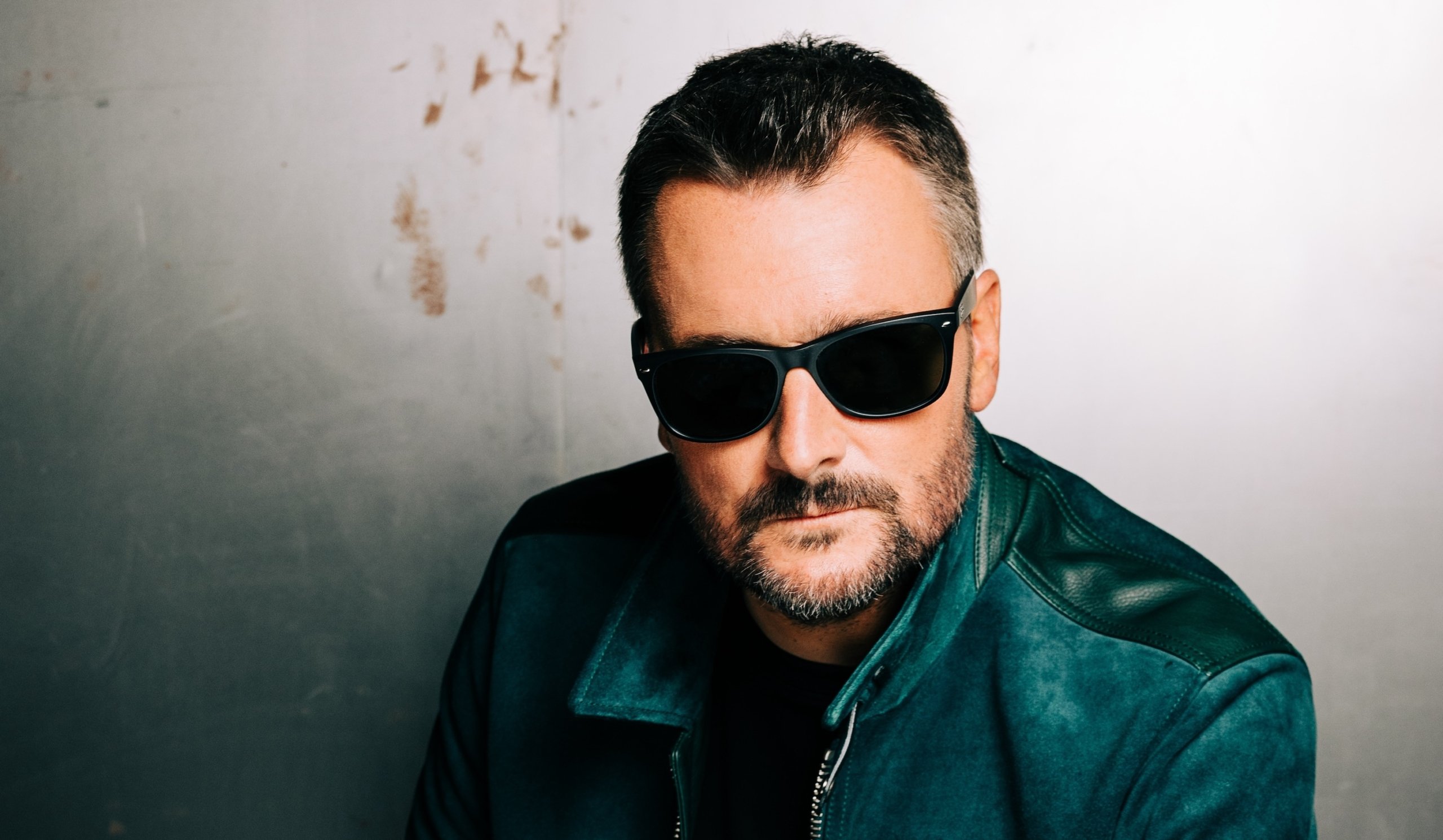
Navigating international policy and institutional strategy requires a deep fluency across borders. Eric Maurice, a prominent policy analyst and former head of the Brussels office for the Robert Schuman Foundation, has built a career centered on European affairs. Understanding his background requires looking closely at his professional footprint in French and European institutions, where his analysis shapes conversations on democracy, the rule of law, and institutional reform.
While online searches often blend different public figures sharing the same name—from historical business profiles to modern media figures—the prominent public analyst Eric Maurice is distinctly tied to European public policy and journalism. His trajectory offers a clear look at how a professional rooted in French academic and journalistic institutions navigates the complex ecosystem of European Union governance.
Professional Roots and Institutional Background
Eric Maurice's career is anchored in European journalism and policy analysis. Before taking on leadership roles within major think tanks, he spent years reporting on the inner workings of the European Union. From 2015 to 2018, he served as the editor-in-chief of EUobserver, a Brussels-based independent digital news publication focusing on EU politics.
Before his tenure at EUobserver, his career included reporting for French media outlets like Courrier international, covering European Councils, and tracking the legislative priorities of successive EU Council presidencies. This extensive journalism background provided him with an insider's view of policy negotiations, institutional friction, and legislative design.
Academic Training in France
His academic choices reflect a deliberate focus on international relations and European governance. He pursued his education through prominent French institutions:
- Paris Panthéon-Sorbonne University: Earned an MPhil (Master of Philosophy) in Contemporary History of International Relations.
- Paris Higher School of Journalism: Completed his professional training in journalism.
- University of Poitiers: Received his Bachelor's degree in Contemporary History.
- École Nationale d'Administration (ENA): Completed the Executive Course in European Studies.
- Institute of Advanced Studies in National Defence (IHEDN): Participated in advanced strategic security and national defence studies.
This academic progression laid the groundwork for his transition from daily news reporting to high-level institutional analysis at organizations like the European Policy Centre (EPC).
Analyzing European Governance
Today, Maurice's work focuses on the core mechanics of European integration. As a policy analyst within European politics and institutions programs, his core research areas include:
- The Rule of Law: Monitoring democratic standards and institutional integrity across EU member states.
- Institutional Dynamics: Examining the balance of power between the European Parliament, the European Commission, and member state governments.
- Electoral Shifts: Analyzing the rise of populist movements, far-right political parties, and their impact on liberal democracies within Europe.
By bridging the gap between rigorous historical analysis and daily political reporting, his commentary frequently appears in major European newspapers and broadcast networks, offering clarity on multi-billion-euro budgetary frameworks and legislative compromises.
Frequently Asked Questions
What is Eric Maurice's professional background?
He is a French policy analyst and former journalist. He served as editor-in-chief of EUobserver and headed the Brussels office of the Robert Schuman Foundation before joining the European Policy Centre.
What educational institutions did he attend?
He studied at Paris Panthéon-Sorbonne University, the Paris Higher School of Journalism, the University of Poitiers, and completed executive training at France's École Nationale d'Administration (ENA).
What are his primary research focuses?
His analysis centers on European Union governance, rule of law challenges, institutional reform, and the political shifts impacting modern liberal democracies.
Why is his background relevant to EU policy?
His multi-year experience covering European Councils as a journalist combined with think-tank leadership gives him a dual perspective on both the theory and practical execution of EU legislation.


