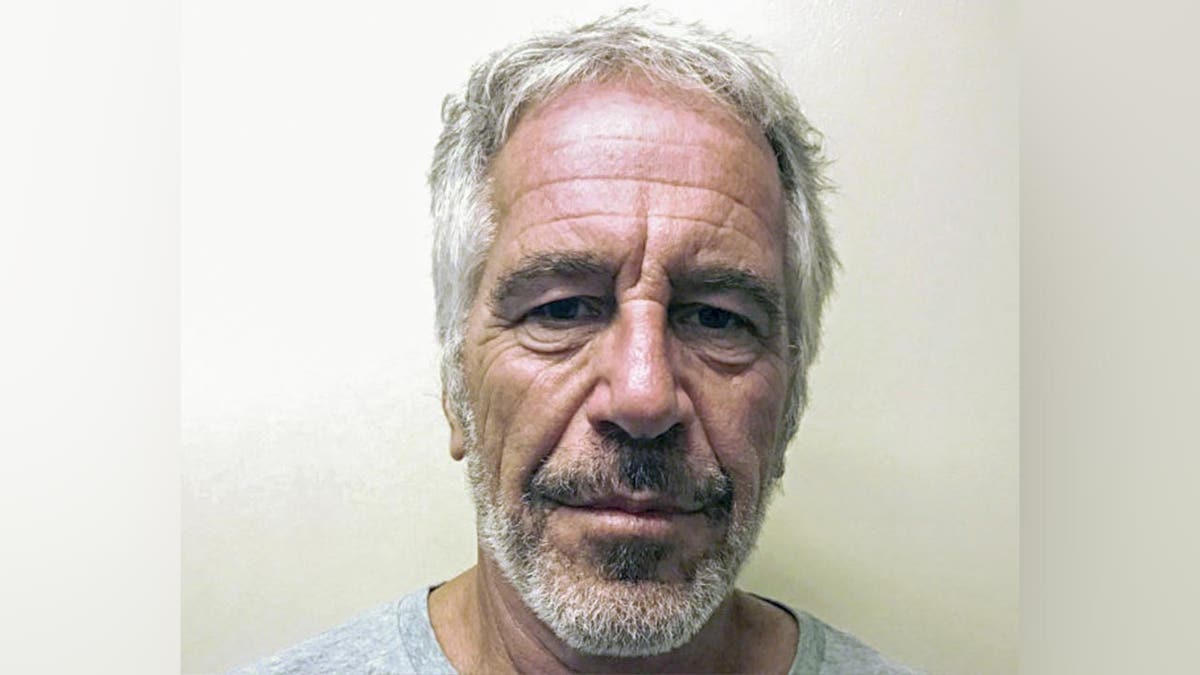
When the public talks about the "Epstein list," they're usually referring to the complex web of flight logs, contact books, and unsealed court documents that have emerged from various legal battles involving Jeffrey Epstein. These records don't represent a single master roster of wrongdoing, but rather a sprawling paper trail of institutional failures, elite access, and delayed accountability. Examining how these documents surfaced provides clear insight into why public trust in legal and political institutions took such a heavy blow.
The release of these records stems from years of tenacious journalism, survivor advocacy, and legislative pressure, notably including the Epstein Files Transparency Act. Rather than an overnight revelation, the unspooling of Epstein's network has happened in waves—each document drop exposing how a convicted sex offender managed to orbit the highest tiers of global finance, politics, and royalty for decades.
Tracing the Paper Trail: What the Documents Actually Show
The narrative that a single secret document would instantly resolve every question is a misunderstanding of how complex investigations work. The files released by the U.S. Department of Justice (DOJ) and unsealed through civil dockets consist of thousands of pages of emails, deposition transcripts, flight manifests, and internal law enforcement communications.
These records reveal a pattern of behavior where wealth and status acted as a protective shield. For instance, internal communications from early investigations highlight how federal prosecutors in 2007 drafted a substantial indictment against Epstein, only for the case to culminate in a controversial non-prosecution agreement in Florida. That 2008 deal granted broad immunity not just to Epstein, but to potential co-conspirators, setting a precedent of impunity that researchers and survivors have scrutinized for years.
Subsequent document tranches released under transparency mandates exposed extensive correspondence between Epstein and prominent global figures long after his 2008 conviction. This undermined public denials from individuals who claimed they cut ties immediately after his initial legal troubles.
Institutional Complicity and Redactions
One of the most contentious aspects of the document releases has been the heavy redaction of names and identifying details by federal agencies. Survivors and lawmakers have frequently voiced frustration, pointing out that obscuring the identities of potential co-conspirators or associates prevents full transparency.
The documents contain internal FBI and prosecutorial memos discussing potential co-conspirators, yet the systemic hesitation to pursue these leads aggressively highlights structural flaws in how justice systems handle elite criminality. When powerful networks operate across international borders, traditional investigative frameworks often stall, hampered by bureaucratic caution and jurisdictional boundaries.
- Financial Enablers: Records show how accountants, estate planners, and business executives structured assets to maintain liquidity and operational security for Epstein's enterprises.
- Political Access: Correspondence indicates that Epstein leveraged philanthropy, academic funding, and social introductions to rehabilitate his public image and gain proximity to decision-makers.
- Cross-Border Reach: Disclosures have impacted political and royal figures across multiple nations, demonstrating that the network's influence was not confined to a single jurisdiction.
The Global Fallout Across Institutions
The fallout from these disclosures reached far beyond the United States, triggering crises in political and diplomatic circles internationally. In the United Kingdom, newly detailed associations led to severe consequences for public figures, forcing structural shifts within traditional institutions. Similarly, European diplomatic and political figures faced formal inquiries and resignations as emails revealed the extent of their interactions with Epstein well after his criminal record was established.
These developments illustrate a broader systemic issue: the willingness of elite networks to overlook ethical red flags in exchange for capital, prestige, or strategic access. The revelations forced a reckoning within diplomatic corps and oversight bodies, prompting stricter reviews of how high-ranking officials vet their associations.
Frequently Asked Questions
Is there an official document literally called the "Epstein list"?
No. The term is a colloquial label used by the media and public to describe the collective body of flight logs, contact books, deposition lists, and DOJ document dumps.
Why were so many names redacted in the DOJ releases?
Federal agencies typically redact names to protect the privacy of uncharged individuals, ongoing investigative integrity, or victims who have not consented to public disclosure. However, these heavy redactions have drawn sharp criticism from transparency advocates and survivors.
Did the unsealed documents lead to new criminal charges?
While the files prompted intense political fallout, diplomatic resignations, and internal investigations, the translation of historical document dumps into active criminal prosecutions remains complex due to statutes of limitations and the passage of time.
How can the public access these records directly?
The U.S. Department of Justice maintains digital reading rooms containing released document sets under transparency laws, and federal court dockets host unsealed civil litigation files. You can review public repository updates directly via the U.S. Department of Justice and historical tracking via Wikipedia's Epstein Files documentation.


