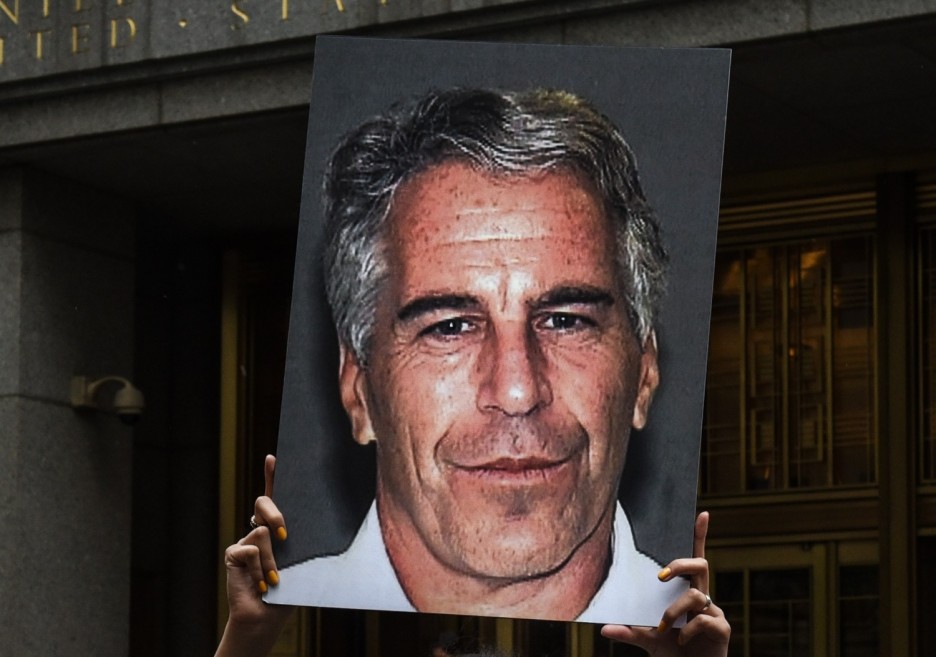
The release of millions of pages of federal court documents, flight logs, and deposition records has laid bare the mechanics of Jeffrey Epstein's criminal enterprise. Rather than focusing on sensational rumors, the core of the public record details how a convicted sex offender built an extensive network of enablers, financial insulation, and institutional blind spots that protected him for decades.
Understanding this case requires looking past the headlines and examining the structural realities exposed by investigative journalists, court filings, and official Department of Justice disclosures. Here's a breakdown of how the operation functioned, why accountability stalled, and what the documents actually confirm.
Anatomy of the Financial and Recruitment Network
The operational success of Epstein's network relied heavily on financial camouflage and a structured recruitment pipeline. Court records show that Epstein positioned himself as a financial manager and philanthropist, using wealth to project legitimacy while isolating vulnerable victims.
- The Recruitment Pipeline: Court files indicate that grooming and recruitment often involved intermediaries who targeted young, vulnerable individuals with promises of modeling careers, educational funding, or professional opportunities.
- Financial Insulation: Epstein maintained accounts across multiple global financial institutions, utilizing shell companies and trusts to move funds discreetly. This financial layering made it difficult for routine audits or casual observers to trace the true source or destination of his capital.
- The Role of Non-Disclosure Agreements: Perpetrators frequently used aggressive legal tactics, including strict non-disclosure agreements paired with financial settlements, to silence survivors long before law enforcement launched formal inquiries.
Flight Logs and the Mechanics of Movement
Epstein's private aircraft—frequently referenced in flight logs spanning decades—served as a central component of his ability to transport associates and victims across international borders.
The logs document hundreds of flights connecting New York, Palm Beach, European capitals, and the U.S. Virgin Islands. While the presence of a flight log entry does not automatically prove legal wrongdoing for every passenger, the records establish the frequency and scale of travel that kept the operation decentralized and difficult for local authorities to monitor. Investigators relied on these logs to map out the social and professional ecosystem surrounding the financier, identifying recurring travelers and staff members who facilitated the logistics.
Institutional Failures and Systemic Blind Spots
One of the most troubling aspects of the Epstein investigation is the series of missed opportunities by law enforcement and regulatory bodies. The documents reveal that reports from victims and initial warnings from local police departments were repeatedly sidelined.
- Jurisdictional Fragmentation: Because activities spanned multiple police districts, state lines, and international borders, local law enforcement agencies often lacked the jurisdiction or resources to pursue a comprehensive investigation.
- Deference to Wealth: Prosecutors and institutions historically showed deference to high-net-worth individuals, creating an environment where formal complaints were under-investigated or handled with excessive leniency, as seen in the 2008 non-prosecution agreement in Florida.
- Corporate Complicity: Financial institutions frequently ignored suspicious activity reports (SARs) or failed to scrutinize large, unexplained cash withdrawals and transfers associated with Epstein's accounts.
Frequently Asked Questions
What new information came to light in the recent Department of Justice document dumps?
The recent releases expanded on previously redacted names, detailed specific flight itineraries, and exposed internal communications between associates regarding how to manage public relations and legal pressure during previous investigations.
Did the flight logs prove criminal conduct for everyone on board?
No. Passenger logs establish who traveled on the aircraft, but legal investigators note that presence on a flight manifest alone is not proof of criminal liability. Each individual's involvement required separate verification based on witness testimony and corroborating evidence.
How did Epstein maintain his lifestyle after his initial 2008 conviction?
Despite his conviction in Florida, Epstein retained significant portions of his wealth and leveraged existing high-society connections. The court files show that he relied on a tightly managed circle of attorneys, accountants, and schedulers who helped shield his daily activities from public scrutiny.
What long-term legal reforms resulted from the case?
The case galvanized legislative efforts to strengthen protections for victims of trafficking, including extensions of statutes of limitations in several jurisdictions and increased scrutiny on institutional reporting requirements for non-profit foundations and financial entities.