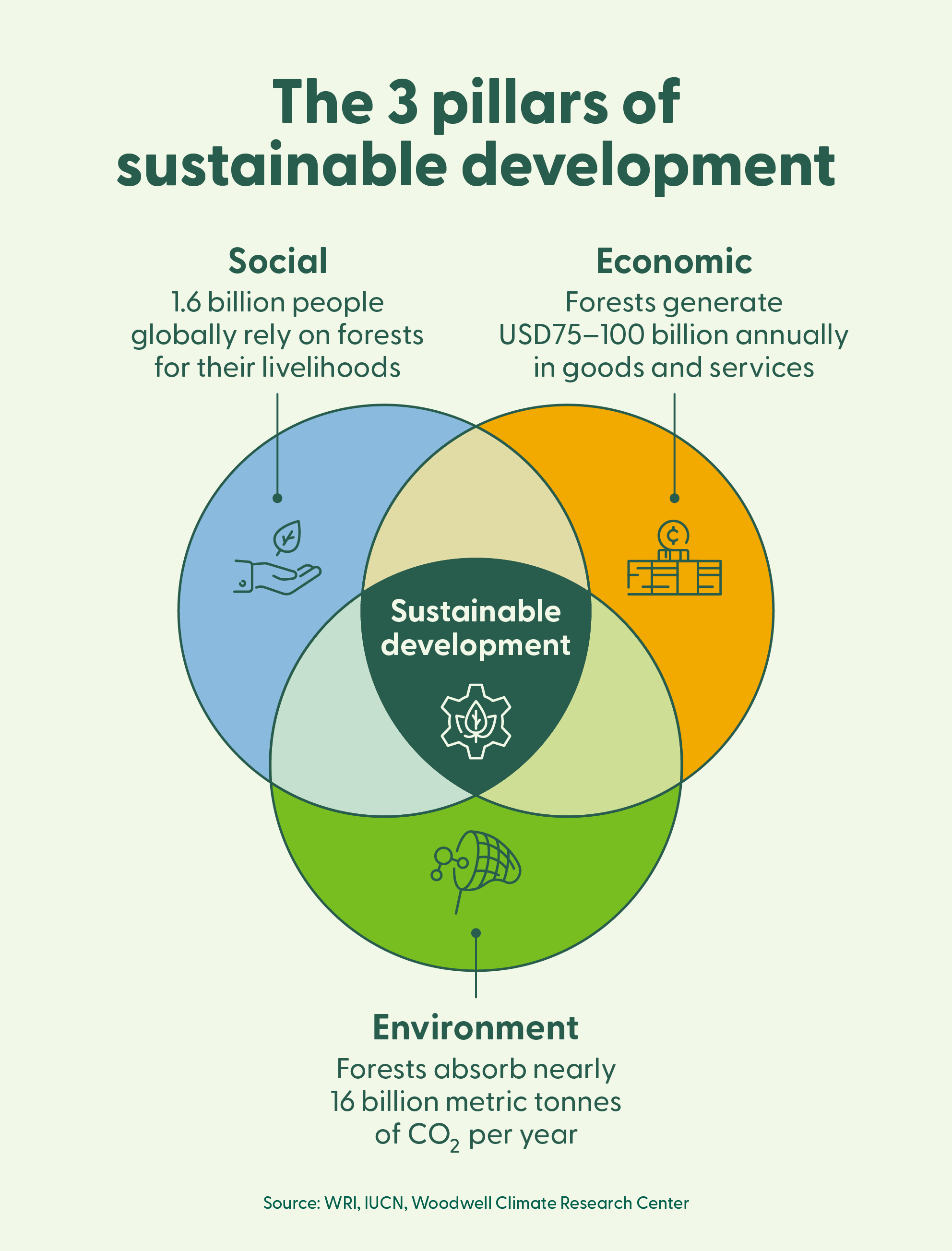
Achieving true environmental integrity requires moving far beyond surface-level corporate messaging and empty public relations campaigns. Today, communities, regulators, and consumers demand measurable accountability, forcing organizations to anchor their operational models in genuine ecological stewardship. When companies prioritize ecological health over optical compliance, they build long-term resilience and protect fragile local resources.
Evaluating modern ecological commitments means separating authentic sustainability from tactical greenwashing. Real progress shows up in verifiable metrics, closed-loop supply chains, and transparent reporting systems that stand up to independent scrutiny. Let's examine how organizations and communities can establish genuine environmental integrity from the ground up.
Identifying and Eliminating Greenwashing
Greenwashing remains one of the primary barriers to authentic ecological progress. Organizations frequently use vague adjectives, nature-themed imagery, and unverified eco-labels to obscure environmentally harmful practices. Spotting these tactics requires looking past promotional materials to examine operational realities.
Authentic sustainability is specific, measurable, and open to audit. When an organization claims to reduce its footprint, it publishes precise data regarding greenhouse gas emissions, water consumption, and waste diversion rates. Vague slogans like "eco-friendly" or "green-crafted" carry no weight without underlying documentation.
- Check for third-party certifications: Look for independent verifications such as B Corp certification, USDA Organic, or Science Based Targets initiative (SBTi) validations.
- Examine supply chain transparency: True environmental integrity tracks impacts from raw material extraction to final product disposal.
- Demand absolute metrics: Real commitments feature concrete reduction targets with fixed deadlines rather than vague future aspirations.
Core Pillars of Operational Sustainability
Building a framework that respects ecological limits demands structural changes across every department. Organizations cannot offset poor manufacturing practices simply by funding distant tree-planting projects. Real transformation starts at the core of day-to-day operations.
Resource efficiency dictates how long a business model can survive under tightening regulatory frameworks and resource scarcity. Minimizing material inputs while maximizing output reduces overhead and lessens environmental stress.
Energy Decarbonization
Transitioning away from fossil fuels is non-negotiable for any entity claiming environmental integrity. This shift involves auditing existing energy use, optimizing building envelopes, and shifting toward localized renewable generation like solar or wind installations. Organizations must track scope one, two, and three emissions meticulously, addressing indirect supply chain emissions rather than just facility energy use.
Water Stewardship and Conservation
Freshwater availability shapes the viability of regional ecosystems and industrial sectors alike. True sustainability requires auditing water footprints, fixing infrastructure leaks immediately, and adopting closed-loop recycling systems that treat wastewater on-site before reuse. Protecting local watersheds from chemical runoff preserves biodiversity and secures community health.
Shifting From Compliance to Regenerative Action
Regulatory compliance represents the absolute bare minimum of environmental interaction. Operating within legal pollution limits doesn't mean an organization is protecting the planet; it simply means it isn't breaking current laws. Regenerative practices go a step further, actively repairing degraded habitats and improving surrounding ecosystems.
Regenerative frameworks treat human activity as an integral part of the natural world rather than an external force acting upon it. This approach mirrors natural cycles, where waste from one process becomes food for another.
- Soil health restoration: Agricultural and land-holding entities use cover cropping, minimal tillage, and rotational grazing to rebuild organic matter and sequester carbon.
- Biodiversity net gain: Industrial expansions prioritize habitat restoration, ensuring that local flora and fauna populations increase rather than fragment.
- Circular economy models: Products are designed from inception for disassembly, repair, and infinite recycling, eliminating the traditional take-make-waste lifecycle.
Common Pitfalls in Environmental Strategy
Many well-intentioned sustainability initiatives fail due to poor planning, poor execution, or a fundamental misunderstanding of systemic impacts. Recognizing these missteps prevents wasted resources and ensures genuine ecological gains.
A frequent error is focusing exclusively on carbon metrics while ignoring biodiversity, water quality, and community displacement. Solving climate change through resource-intensive practices elsewhere creates new ecological crises. Another major misstep is failing to engage local communities early in project planning, leading to social friction and resistance to necessary infrastructure changes.
Avoiding these traps requires cross-functional collaboration. Environmental targets shouldn't live in an isolated corporate social responsibility department; they must integrate directly into financial, logistical, and executive decision-making.
Frequently Asked Questions
What separates environmental integrity from standard corporate sustainability?
Environmental integrity demands honest, verifiable metrics and absolute ecological accountability. Standard sustainability programs often focus strictly on regulatory compliance and public relations, whereas integrity-driven models prioritize genuine ecosystem health and transparent supply chains.
How can small businesses implement meaningful eco-friendly practices?
Small businesses can start by conducting a comprehensive resource audit to track energy use, waste generation, and water consumption. Partnering with local vendors, reducing single-use plastics, and setting realistic emissions reduction targets provide an accessible foundation.
Why do companies resort to greenwashing?
Organizations often use greenwashing to capture consumer market share and appease investors without incurring the financial costs of true structural transformation. Modern regulatory bodies and informed consumers are increasingly penalizing these deceptive practices.
What role do individuals play in corporate environmental accountability?
Consumer purchasing habits and community advocacy directly influence corporate behavior. By demanding supply chain transparency and supporting businesses with verified environmental credentials, individuals drive market-wide shifts toward genuine sustainability.


