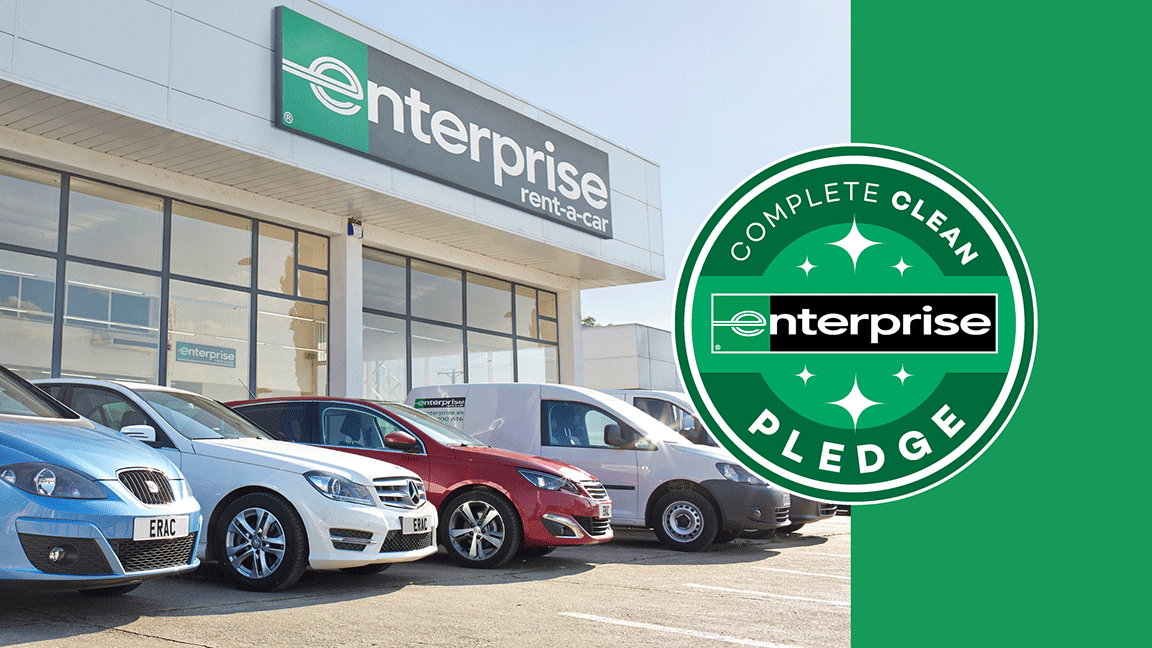
When you need wheels for a road trip or a business excursion, Enterprise Rent-A-Car is a dependable fallback, but its pricing structure can catch you off guard. The base rate you see on your screen is rarely what you pay at the counter. Between location premiums, airport fees, and insurance add-ons, costs escalate quickly. Managing your Enterprise car rental cost requires knowing where extra expenses hide and how to bypass them.
Understanding how Enterprise builds its rates helps you spot opportunities to save. Unlike budget companies that compete purely on low headline rates, Enterprise balances service reputation with flexible pricing models. This guide breaks down the exact mechanics behind their billing, exposes unnecessary fees, and gives you actionable steps to secure the best value.
Decoding the Enterprise Rate Structure
Enterprise doesn't use flat pricing. Instead, your daily rate shifts dynamically based on a mix of variables that change by the hour.
Location plays a massive role in your quote. Renting from a neighborhood branch away from major transit hubs usually saves you money. Airports carry higher concession fees and facility charges set by local authorities, which inflate your baseline total.
Timing is equally important. Weekend rentals in urban centers often cost less than weekday business rentals, whereas vacation destinations flip that script entirely, hiking weekend prices during peak travel seasons.
- Base Rate: The starting daily fee for the vehicle class.
- Concession Fees: Surcharges added by airports or local transit boards.
- Vehicle Class: Compact cars cost less, while SUVs and minivans command a premium.
- Duration: Weekly rentals often feature lower daily rates than short one- or two-day bookings.
Checking Enterprise Rent-A-Car directly or reviewing their official Enterprise Help Center gives you a baseline for how these factors interact before you enter your dates.
How to Slash Your Base Price
Lowering your rental bill starts before you pick up the keys. You don't have to accept the initial quote as a final decree.
First, look for corporate codes or organizational discounts. If you belong to AAA, a warehouse club like Costco, or work for a major employer, you likely qualify for discounted daily rates and waived underage driver fees. Always check multiple discount tiers to see which one yields the deepest price cut.
Second, book early but keep an eye on price drops. Enterprise typically allows free cancellations on standard reservations. Lock in a vehicle weeks ahead, but check back a few days before your trip. If rates drop, you can cancel and rebook at the lower price.
Third, consider alternative pickup locations. A neighborhood branch just outside city limits might offer significantly lower rates than downtown or airport locations. A short rideshare or public transit trip to a suburban lot can save you a hundred dollars on a weeklong booking.
Dodging Hidden and Optional Fees
The easiest way to inflate your car rental bill is by accepting every add-on prompt at checkout. Knowing which fees are mandatory versus optional keeps your wallet secure.
Insurance is the biggest culprit. Enterprise offers Collision Damage Waivers (CDW) and Supplemental Liability Protection. Before you buy them, check your personal auto insurance policy and credit card benefits. Many major credit cards provide secondary or primary rental car collision coverage if you decline the rental company's waiver.
Fuel policies require strict attention. Avoid the prepaid fuel option unless you plan to return the tank completely empty. It charges a fixed per-gallon rate that usually exceeds local gas station prices. Instead, choose the full-to-full policy, refilling the tank yourself at a nearby station right before drop-off.
Young driver surcharges apply if you're under twenty-five, often adding twenty to thirty dollars per day. Membership programs like AAA or specific corporate partnerships frequently waive this fee entirely.
Alternative Strategies for Maximum Value
Securing the best value involves more than just hunting for coupons. It requires matching your vehicle choice to your actual itinerary.
If you're traveling solo or as a couple with light luggage, a compact or economy car minimizes fuel consumption and base rental costs. Resist the urge to upgrade to a full-size SUV unless you truly need the cargo capacity and passenger space.
One-way rentals carry heavy drop-off fees because the company has to pay to return the vehicle to its home lot. Whenever possible, plan round trips that start and end at the same location.
For more broad travel budgeting strategies, the U.S. Department of Transportation offers consumer protection guides regarding rental car rights, fuel policies, and mandatory fee disclosures.
Frequently Asked Questions
Can I use a debit card to rent a car from Enterprise?
Yes, but policies vary by location. Neighborhood branches typically accept debit cards if you provide proof of return travel and utility bills, while airport locations often require a major credit card or a strict credit check at the counter.
Does Enterprise charge a fee for additional drivers?
Generally, yes, unless the additional driver is your spouse or domestic partner, or you are using a corporate account that explicitly waives the fee. Check your specific booking terms to confirm.
What happens if I return the car late?
Enterprise usually grants a short grace period of about twenty-nine minutes. Beyond that, you may be billed for an extra hourly rate or an entire additional day depending on how late the vehicle is returned.
Are mileage limits common on standard rentals?
Most personal rentals feature unlimited mileage. However, specialized vehicles, cargo vans, or specific promotional rates might cap your daily mileage, charging extra for every mile driven over the limit.



