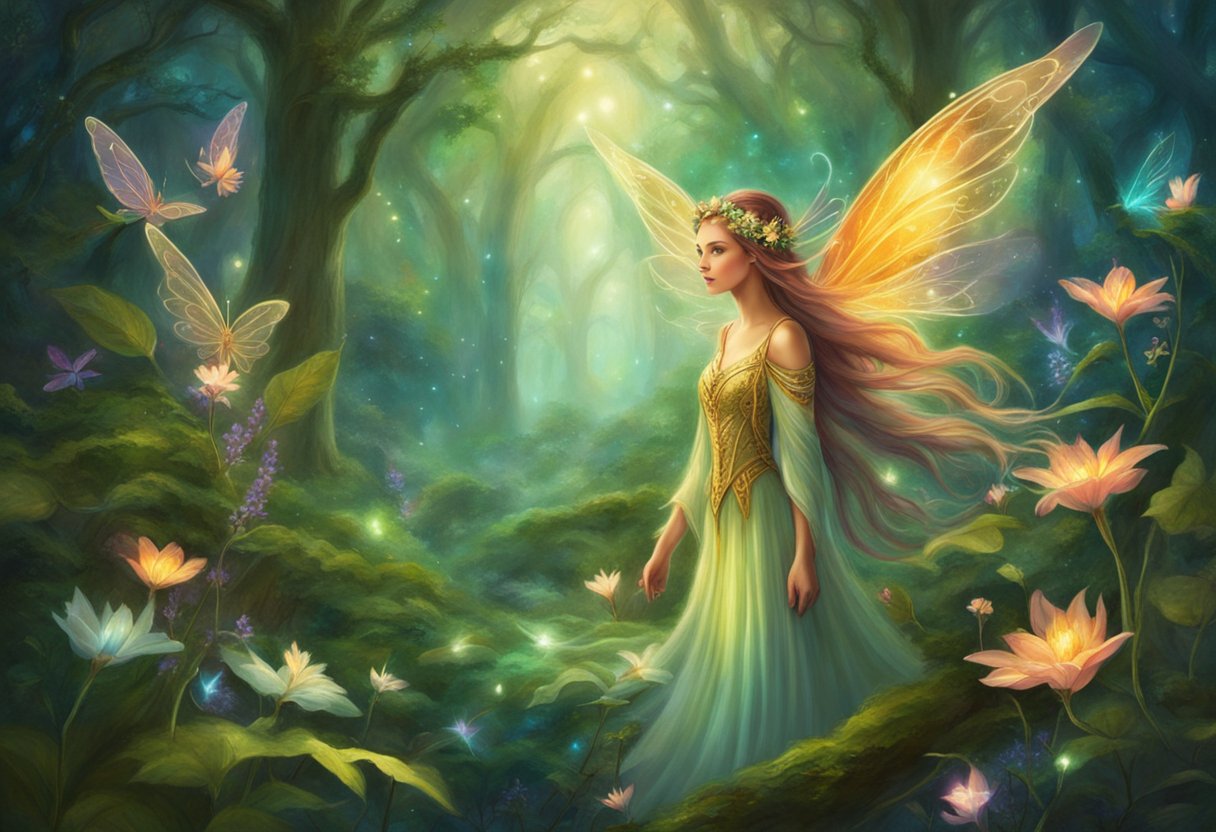
Understanding the World of Tinkerbell's Kin
Fairies of the enchanted glade represent a fascinating intersection of classic European folklore and modern animated fantasy. When Disney launched its franchise around Peter Pan's iconic companion, it didn't just animate a single sprite; it constructed an elaborate society complete with talent categories, seasonal shifts, and distinct ecological roles. If you're looking to understand how these winged characters evolved from Victorian sprite mythology into a fully realized cinematic universe, you have to examine their core hierarchy, their ties to natural elements, and the cultural impact they left behind.
Unlike traditional folklore fairies—which were often portrayed as mischievous, unpredictable, or outright dangerous—the inhabitants of Pixie Hollow were designed with functional roles. Every fairy possesses a specific talent, from mending pots to changing the colors of autumn leaves. This structure transformed whimsical creatures into relatable protagonists facing everyday trials of identity, community responsibility, and self-discovery.
The Core Talent Structure in Fairy Lore
In the official mythology established by Disney and expanded through various media tie-ins, fairies don't just possess generic magical abilities. Their powers are strictly defined by their talent when they first arrive in Pixie Hollow as a laughter-born pixie dust creation.
- Tinker Fairies: Skilled engineers and inventors who repurpose lost things dropped by humans into functional tools for the mainland.
- Garden Fairies: Botanists and nurturers who cultivate plant life, control flower blooming, and manage seasonal transitions.
- Light and Water Fairies: Elemental controllers who manipulate sunlight, rainbows, dew drops, and aquatic ecosystems.
- Animal Fairies: Communicators and protectors who work directly with migratory birds, woodland creatures, and hibernating mammals.
This specialization creates a functioning economy and society within the glade, replacing vague magical tropes with concrete responsibilities. When a fairy discovers their talent, it dictates their clothing, their living quarters in the roots of Pixie Dust Tree, and their daily contribution to the realm.
The Evolution of Fairy Lore in Popular Culture
The cultural perception of fairies shifted dramatically over the centuries. In medieval European folklore, fairies were subterranean or forest-dwelling entities that demanded respect and offerings to avoid bad crops or stolen children. Victorian artists and writers softened this image, depicting tiny winged humans dancing in mushroom rings.
The modern Tinkerbell canon bridges these two extremes. It retains the whimsical miniature scale and magical flight of the Victorian era while introducing structured world-building reminiscent of modern fantasy epics. According to historical analyses by cultural historians at The British Library, this blending helps contemporary audiences connect with ancient nature myths through accessible visual storytelling.
[ Victorian Sprite Tradition ] ---> [ Modern Animated Universe ] ---> [ Structured Talent Roles ]
Common Misconceptions About Fairy Mythology
Many casual viewers and readers misunderstand how fairy magic operates within these enchanted narratives. Clearing up these points helps explain the deeper rules governing the glade.
- Misconception: Fairies are immortal and invulnerable. Reality: While they live significantly longer than humans, they are deeply vulnerable to environmental changes, loss of pixie dust, and the fading of human belief.
- Misconception: All fairies can fly anywhere. Reality: Flight requires active reserves of pixie dust. Without it, or when wet, fairies are entirely grounded.
- Misconception: Magic solves every problem. Reality: Most conflicts in fairy tales are resolved through manual labor, engineering, teamwork, and clever problem-solving rather than spellcasting.
Frequently Asked Questions
What is the origin of the term Pixie Hollow?
Pixie Hollow serves as the secret sanctuary hidden within the heart of Never Land where the fairy kingdom thrives. It was designed to provide a secure, self-sustaining ecosystem for fairies to process seasons and supply magic to the mainland.
Do fairies require human belief to survive?
Yes, human belief acts as an essential catalyst for fairy vitality. In classic Peter Pan lore, a lack of belief directly threatens fairy existence, though the modern animated adaptations focus more heavily on ecological harmony and self-worth.
How do fairies acquire their talents?
When a baby laugh floats to Pixie Hollow and transforms into a fairy, they undergo a traditional testing ceremony involving glowing objects. The item they are drawn to or successfully interact with reveals their lifelong talent.
Can fairies interact with humans on the mainland?
Traditionally, fairies are meant to remain unseen by humans, operating in secret to change seasons and assist nature. However, rare stories involve accidental encounters where clever humans catch glimpses of tinker work in quiet forest glades.


