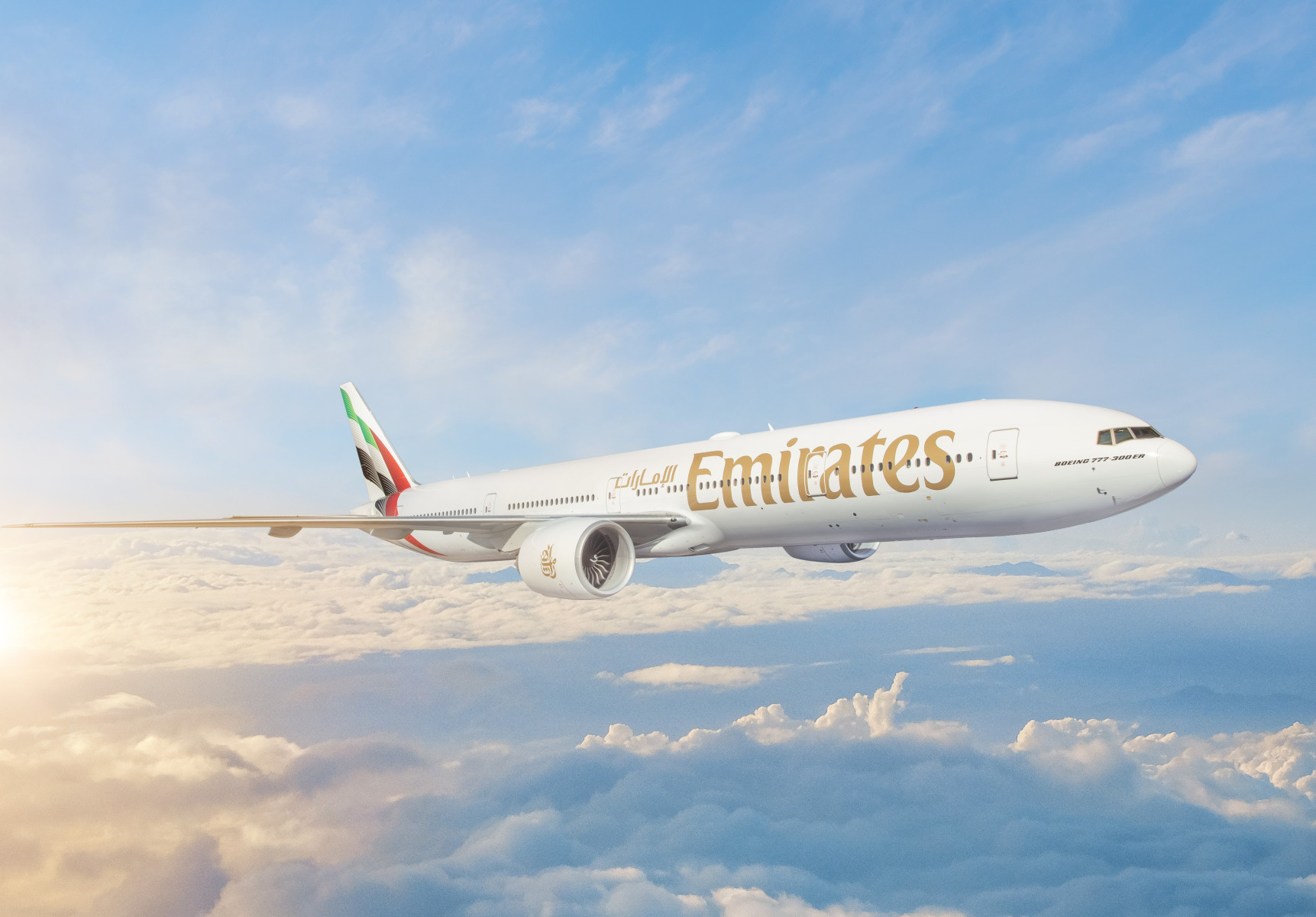
The arrival of the Airbus A350-900 marks a fundamental shift for Emirates, introducing the airline's first new widebody aircraft family type in over a decade. Known traditionally for an all-widebody fleet dominated by the massive Airbus A380 and Boeing 777, Emirates designed its A350-900 fleet to service medium-to-long-haul routes that don't require the sheer capacity of larger jets. Operating with two distinct cabin configurations—a 298-seat long-haul version and a 312-seat regional layout—the aircraft brings modern aerodynamics, updated entertainment systems, and the carrier's debut of Premium Economy to a smaller frame.
Understanding how these cabins are arranged helps you secure the best seat and navigate the differences between variants. Whether you're booking an upcoming flight or tracking route deployments across Emirates, knowing the layout quirks prevents common seat-selection pitfalls.
Cabin Layout and Configuration Options
Emirates flies two separate versions of the Airbus A350-900, both omitting First Class entirely to focus on a three-class setup. This makes it the first widebody type in the modern Emirates fleet without private suites in the nose.
The two variants differ primarily in their Premium Economy and Economy capacities:
- The Long-Haul Version (359U): Features 298 total seats split into 32 Business Class, 28 Premium Economy, and 238 Economy seats. This variant includes four rows of Premium Economy (rows 14 to 17).
- The Regional Version (359G): Features 312 total seats split into 32 Business Class, 21 Premium Economy, and 259 Economy seats. This variant includes three rows of Premium Economy (rows 14 to 16).
You can easily spot which version you're flying by checking the row numbers and seat counts during booking. If Premium Economy extends to row 17, you're on the long-haul variant.
Business Class Experience
Spanning rows 1 through 8, the Business Class cabin holds 32 seats arranged in a 1-2-1 staggered configuration. Every seat converts into a fully flat bed and provides direct aisle access. Unlike some competing airlines, Emirates chose not to install privacy doors on these A350 suites, keeping the cabin open and airy.
The staggered layout means odd and even rows use completely different seat letters and physical alignments:
- Odd Rows (1, 3, 5, 7): Feature solo seats (B and J) positioned close to the aisle, alongside paired center seats (E and F) that sit right next to each other without a physical divider.
- Even Rows (2, 4, 6, 8): Feature true window seats (A and K) tucked securely behind side consoles away from the aisle traffic, while center pairs (D and G) are split apart by the aisle.
If you want a true window view where you look straight out rather than past your console, target even-numbered window seats like 2A, 4A, 6A, or their K-side equivalents. Couples traveling together should look for center pairs in odd rows (such as 3E/3F) to sit side-by-side.
Premium Economy and Economy Cabins
The Premium Economy cabin uses a 2-3-2 layout (A-B, D-E-F, J-K), offering wider seats, deeper recline, and dedicated footrests. Because lavatories sit immediately forward of row 14, passengers in the front row may experience light foot traffic. On the long-haul variant, row 15 provides a clean bulkhead buffer with dual windows, making 15A and 15K prime choices.
Economy class follows a standard 3-3-3 arrangement across rows 19 through 47. Seat width is comfortable for a modern widebody, though bulkhead and exit rows (such as row 19 and row 33) feature tray tables built into the armrests, which slightly reduces the usable seat width.
Route Network and Deployment Strategy
Emirates deploys the A350-900 to replace older Boeing 777 aircraft or add frequency on mid-demand trunk routes across Europe, the Middle East, Africa, and Asia. Key deployments include regional hops across the Gulf, expanding services into destinations like Vietnam, and connecting secondary long-haul markets back to the airline's hub at Dubai International Airport.
Because the aircraft delivers exceptional fuel efficiency compared to older four-engine giants, it allows the airline to test viability on thinner long-haul city pairs without risking the heavy seat-capacity surplus of an A380.
Common Mistakes to Avoid When Booking
- Assuming all window seats are equal: On the Business Class staggered layout, booking an odd-numbered window letter often places you right on the aisle with your console shielding you from the view. Always verify the row number.
- Ignoring version differences: If you want extra legroom blocks or specific Premium Economy configurations, check the seat map layout against the total capacity (298 vs 312 seats) before paying for seat selection.
- Booking middle seats blindly: Economy middle seats (E) lack underseat storage in bulkhead rows and trap you between two passengers. Aim for window or aisle assignments early.
Frequently Asked Questions
Does the Emirates Airbus A350-900 have First Class?
No. None of the A350 aircraft in the Emirates fleet feature a First Class cabin. The aircraft is strictly configured with Business, Premium Economy, and Economy.
Do Business Class seats have privacy doors?
No, the Safran-manufactured Business Class seats use an open staggered 1-2-1 layout without sliding doors.
How can I tell which A350 version I am flying?
Check your seat map configuration during booking. If the Premium Economy cabin runs four rows deep (rows 14 to 17), you're on the long-haul 298-seat variant. If it spans three rows (14 to 16), you're on the 312-seat regional variant.
Are power outlets available at every seat?
Yes, every seat across Business, Premium Economy, and Economy features universal AC power sockets and USB-C charging ports.


