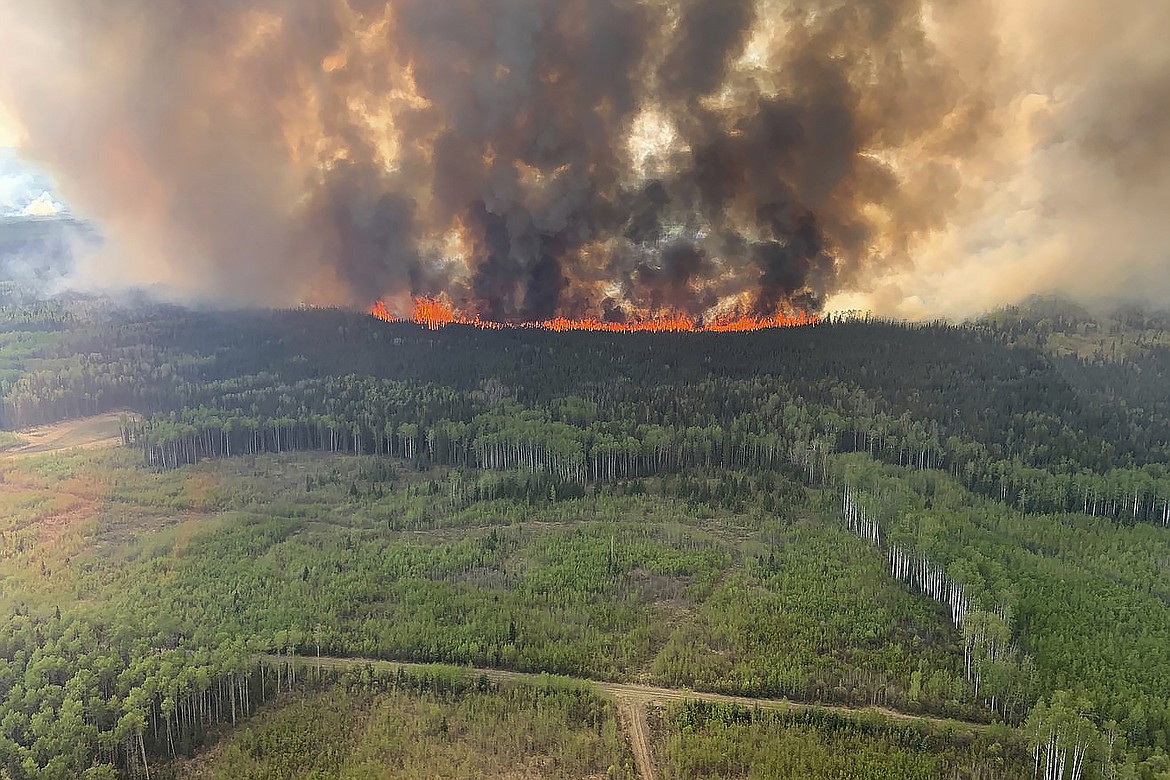
Emergency readiness isn't about buying panic supplies or waiting for sirens to wail. It's built through structured daily habits, local collaboration, and realistic drills long before a crisis hits. When an unexpected crisis strikes—from flash floods to utility failures—traditional municipal emergency services often face overwhelmed lines and delayed response times, leaving local neighborhoods to fend for themselves during those critical opening hours.
The Club Always Ready preparedness model changes this reactive cycle by turning abstract safety goals into actionable community habits. Instead of relying on passive manuals or sporadic checklists, this approach uses structured skill-building, low-bandwidth communication tech, and high-stakes simulations to build actual muscle memory. If you want to build genuine household and community resilience, understanding how this proactive framework operates provides a practical blueprint for surviving real-world disruptions.
The Core Failures of Traditional Emergency Planning
Most family emergency plans fail for one simple reason: they live on paper in a drawer. Households buy a case of bottled water, stash a flashlight in a closet, and assume they're ready for whatever comes. When a real emergency unfolds, panic sets in because nobody has actually practiced executing the plan under stress.
Traditional municipal planning also suffers from fragmented communication. Emergency management agencies broadcast general warnings, but they lack direct coordination with hyper-local neighborhood groups. This gap creates dangerous blind spots where vulnerable residents get left behind simply because no one on their street knows who needs assistance.
- The Paper Plan Trap: Relying on written checklists without physical rehearsals leads to frozen decision-making during high-stress moments.
- Siloed Resources: Municipal services prioritize main infrastructure arteries first, leaving residential pockets isolated for days.
- Skill Decay: Basic knowledge like basic first aid or utility shut-off procedures fades quickly if it's never tested in drills.
Breaking Down the Club Always Ready Framework
The Club Always Ready model replaces passive hope with active, repeatable systems. By breaking readiness down into four concrete pillars, communities transform isolated individuals into coordinated response units.
1. Tailored Local Risk Assessments
Generic preparedness advice often fails because a flood-prone rural valley faces entirely different threats than an urban high-rise district. The Always Ready model starts by mapping specific local vulnerabilities. Communities identify regional hazards—such as seasonal storms, wildfire corridors, or grid instability—and build targeted response priorities around those exact risks rather than generic worst-case scenarios.
2. Hands-On Skill Training
Knowing what to do in theory differs vastly from doing it in the dark while adrenaline surges. The framework mandates regular, practical workshops covering essential survival mechanics:
- Locating and shutting off main gas, water, and electrical mains safely.
- Administering immediate first aid and psychological first aid to manage shock.
- Operating analog or low-frequency communication tools when cell towers drop.
3. Experiential Disaster Simulations
You don't rise to the occasion; you sink to the level of your training. Club Always Ready incorporates large-scale simulations where volunteers practice evacuation routes, set up temporary shelters, and manage triage scenarios. These exercises expose weak points in coordination and build the vital muscle memory needed when real alarms sound.
4. Decentralized Neighborhood Networks
Professional first responders cannot reach every household immediately. The Always Ready framework builds self-sustaining neighborhood pods. Neighbors map out who has medical training, who owns heavy generators, and which elderly residents might need physical assistance during an evacuation.
Technology as an Enabler, Not a Crutch
When a major storm knocks out local power grids, standard cellular networks frequently fail due to sudden traffic spikes or damaged infrastructure. Relying solely on cloud-connected smartphone apps during a disaster is a recipe for isolation.
The Club Always Ready model treats technology as a secondary enabler rather than the primary lifeline. Mobile checklists and digital weather trackers provide great pre-crisis planning utility, but operational readiness requires offline-capable systems. Communities integrate low-bandwidth radio channels, local mesh networks, and printed physical maps to ensure command continuity when the digital grid goes dark. For official guidance on building resilient communication backups, consult the Ready.gov planning guidelines.
Common Preparedness Mistakes to Avoid
Even well-intentioned groups stumble when building emergency routines. Avoiding these frequent missteps keeps your preparation practical and effective:
- Overcomplicating the Kit: Packing specialty survival gear you don't know how to use adds dead weight. Stick to familiar, versatile tools.
- Skipping Household Briefings: Preparing alone leaves your family vulnerable when you aren't home. Every household member must know primary evacuation routes and meeting spots.
- Ignoring Mental Resilience: Panic impairs judgment faster than physical injury. Training must include stress-management techniques to keep teams calm and focused.
- Treating Readiness as a One-Time Event: Buying gear once and forgetting about it guarantees failure. Water expires, batteries corrode, and family dynamics change. Review your plans biannually.
Frequently Asked Questions
How does the Club Always Ready model differ from standard survivalism?
Traditional survivalism often focuses on individual isolation and stockpiling gear in secret. The Always Ready model emphasizes transparent, community-driven collaboration, shared resources, and collective neighborhood resilience.
What are the first steps to implement this model in a new neighborhood?
Start by gathering a small group of neighbors for an informal coffee meeting. Map out local hazards, share emergency contact lists, assign basic roles based on existing skills, and schedule a simple walk-through of your street's utility shut-offs.
How often should emergency drills be practiced?
Run lightweight tabletop discussions quarterly and full physical evacuation or communication drills at least twice a year. Consistency builds the muscle memory necessary for calm execution during a real crisis.
Can this model work in densely populated urban apartment buildings?
Yes. Urban adaptations rely on vertical evacuation planning, tenant association coordination, stairwell safety protocols, and establishing floor captains to check on vulnerable residents during building-wide emergencies.