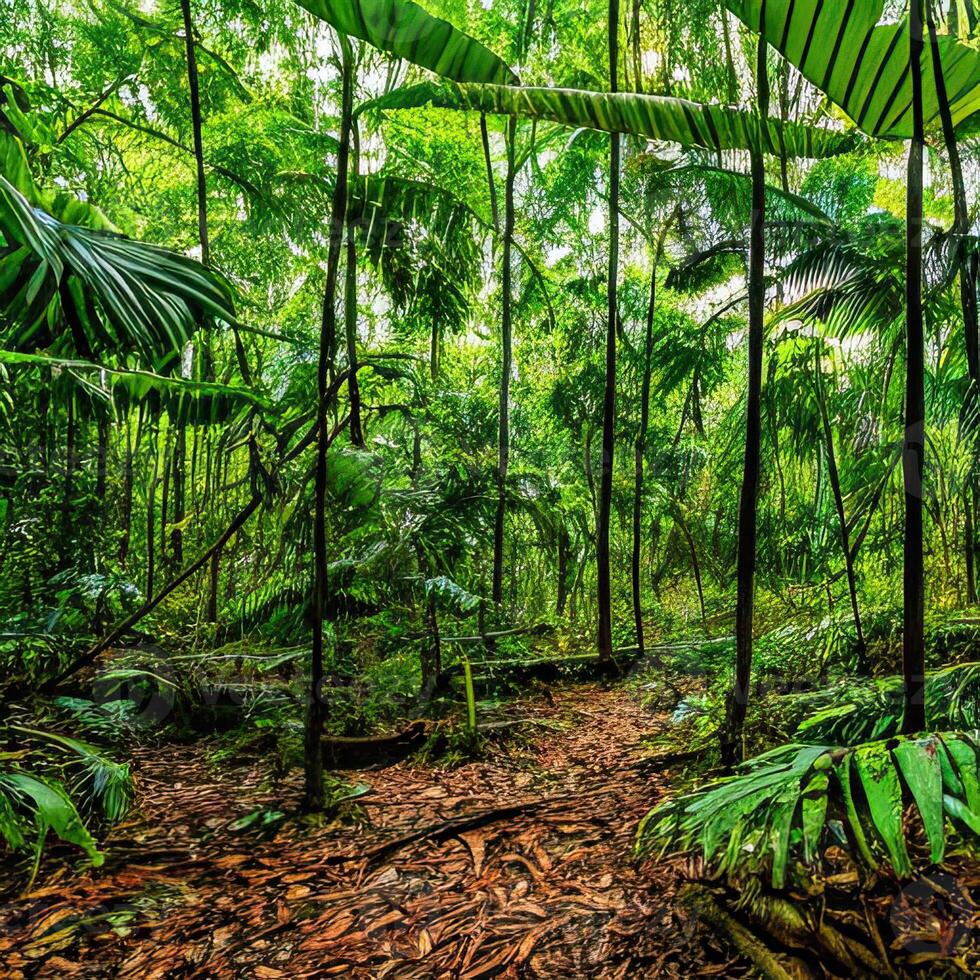
Elvis Presley's Jungle Room inside the Graceland mansion is a masterclass in mid-century maximalism, exotic design, and rock-and-roll history. Located at the back of the Memphis home, this famous den features green shag carpet on both the floor and ceiling, custom wood-carved furniture, a weeping stone waterfall, and exotic plants. Built in the mid-1970s, it served as Elvis's personal sanctuary and his final recording studio before his death in 1977.
Understanding the Jungle Room requires moving past the standard tourist narratives. The space reflects Elvis's personal aesthetic tastes, his desire for escapism, and the pivotal recording sessions where he laid down vocals for his final two studio albums, Moody Blue and From Elvis Presley Boulevard, Memphis, Tennessee. This guide explores the creation, design elements, architectural details, and musical legacy of Graceland's most famous room.
The Origin Story: How the Jungle Room Came to Be
By the mid-1970s, Elvis Presley spent considerable time touring, recording, and retreating within the walls of Graceland. To update his living quarters, he purchased a massive amount of custom furniture and began major renovations on a rear den addition originally built in the early 1960s.
Elvis wanted a space that felt entirely disconnected from Memphis. He drew inspiration from his love of Hawaii and tropical films, tasking designers with creating an indoor oasis. The renovation took shape in 1974, transforming a standard den into a heavily textured, forest-green retreat. To understand the bigger picture, check out the recent article by The New York Times.
Unlike the formal living room at the front of the mansion, which featured white furnishings and French-provincial styling, the Jungle Room was designed for comfort, privacy, and casual entertaining with his Memphis Mafia entourage.
Distinctive Architectural and Design Elements
The room's aesthetic breaks every rule of traditional interior design, leaning heavily into 1970s excess and tactile materials.
The Floor-to-Ceiling Green Shag Carpet
The most famous visual feature of the room is the emerald-green shag carpeting. Elvis didn't just put it on the floor; he had it installed across the ceiling and up the sides of the walls. This created a muffled, cave-like acoustic environment that inadvertently made the room ideal for recording music.
The Indoor Rock Waterfall
A massive stone waterfall dominates one corner of the room. Water cascades down artificial rock formations illuminated by red and green spotlights. The sound of running water added to the sensory illusion of sitting in a tropical rainforest rather than a suburban Tennessee mansion.
Custom Woodwork and Exotic Furnishings
The furniture was custom-ordered from a Memphis store called Donald's Furniture, crafted from solid carved wood with heavy animal motifs, alligator-skin accents, and vibrant green upholstery. Heavy wooden beams line the ceiling, reinforcing the rustic, jungle cabin aesthetic.
The Jungle Room Recording Sessions
Beyond its visual appeal, the Jungle Room holds immense significance in music history as a makeshift recording studio. By 1976, Elvis was reluctant to leave Graceland to record in commercial studios like RCA's Nashville facilities.
To accommodate him, RCA Records hauled mobile recording equipment directly into the driveway of Graceland, running cables through a window into the Jungle Room. Engineers set up mixing boards and microphones amid the green shag carpet and exotic plants.
Between February and October 1976, Elvis recorded major tracks in this room, including:
- Moody Blue
- Way Down
- Pledging My Love
- Hurt
These sessions produced his final studio albums. Listening to these tracks today reveals the unique, warm acoustic quality provided by the room's heavy carpeting and dense wooden furnishings.
Common Misconceptions About the Jungle Room
Pop culture and tabloid coverage have birthed several myths regarding this famous space.
Many visitors assume the room was designed to house exotic live animals. While Elvis loved animals and kept various pets throughout his life, no live wild animals were kept inside the Jungle Room. The exotic theme was purely decorative, driven by artificial plants, carved wooden animals, and the natural rock waterfall.
Another misconception is that the room remains untouched since 1977. While Graceland preserves the mansion largely as it was when Elvis passed away, routine conservation work is required to protect the delicate textiles and wood structures from humidity and tourist traffic.
Visiting the Jungle Room Today
Today, the Jungle Room is a mandatory stop on the Graceland mansion tour operated by Graceland Official Website. Millions of fans walk past the viewing ropes each year to peer into the green sanctuary.
Because interior photography is restricted inside the mansion, visitors rely on memory and official archive imagery to capture the essence of the space. Tour guides share stories of late-night recording sessions, impromptu jam sessions, and Elvis's personal lifestyle choices during his final years.
Frequently Asked Questions
Why is it called the Jungle Room?
The room earned its nickname due to its dense tropical aesthetic, which includes green shag carpet on the walls and ceiling, a rock waterfall, and heavy carved wooden furniture featuring jungle and animal motifs.
Did Elvis record songs in the Jungle Room?
Yes. RCA brought mobile recording equipment to Graceland in 1976, allowing Elvis to record his final two studio albums directly inside the Jungle Room.
Can visitors walk inside the Jungle Room during a tour?
No. Visitors view the room from behind protective barriers on the mansion tour route to preserve the original 1970s furnishings and delicate carpets.
What kind of wood and materials were used in the room?
The furniture features heavy carved wood, animal-skin textures, and thick velvet or naugahyde upholstery, complemented by synthetic greenery and real stone for the indoor waterfall.



