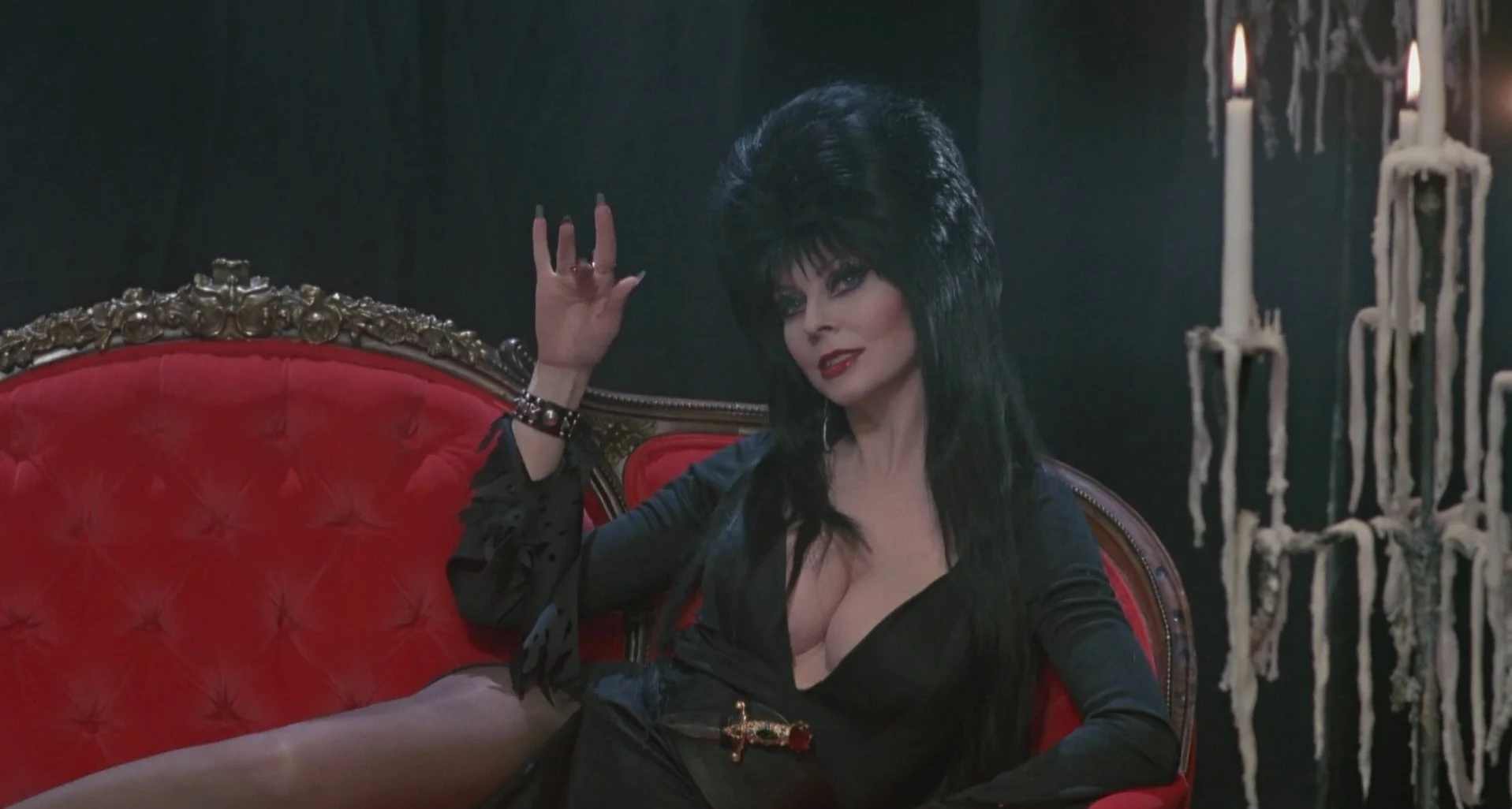
Cassandra Peterson’s creation of Elvira Mistress of the Dark didn't just revitalize late-night television horror; it established a permanent blueprint for campy, high-contrast gothic glamour. When the character debuted on Los Angeles television station KHJ-TV in 1981, horror hosts were typically male figures in cloaks or mad scientist lab coats. Peterson flipped that formula entirely, pairing deep-cut noir cinematic aesthetics with unapologetic sex appeal, razor-sharp wit, and a visual style that turned black clothing into a position of absolute power.
Understanding the visual mechanics of Elvira requires looking past the broad strokes of gothic fashion. The look relies on precise theatrical lighting, classic Hollywood noir shadow play, and a deliberate subversion of wholesome 1950s and 60s pin-up culture. By blending the moody, high-contrast lighting of 1940s detective thrillers with heavy camp and horror tropes, Peterson built a character whose aesthetic remains instantly recognizable more than four decades later.
Anatomy of the Look: Merging Noir with Camp
The visual identity of Elvira centers on a stark paradox: ultra-glamorous Hollywood starlet meets midnight creature of the underworld. This tension draws heavily from classic film noir archetypes—the dangerous femme fatale framed by venetian blind shadows and smoke—elevated through the exaggerated proportions of comic book heroines.
- The Silhouette: Fitted bodices, sweeping floor-length skirts with strategic high slits, and structured cleavage lines create an exaggerated hourglass shape that echoes classic animation and pulp magazine covers.
- The Hair: A massive, towering black beehive with distinct bangs frames the face, adding structural height that mirrors the dramatic architecture of classic gothic cathedrals.
- The Palette: Monochromatic black fabrics serve as the base, contrasted sharply against alabaster skin, deep crimson lips, and jewel-toned accessories like daggers, spiders, and heavy silver crosses.
Unlike traditional gothic fashion, which often leans into melancholic minimalism or Victorian mourning wear, Elvira’s aesthetic is bright, loud, and confident. It borrows the shadow-drenched atmosphere of noir cinema and floods it with stage lights.
The Makeup Architecture: Painting in Monochrome
The facial makeup is the anchor of the entire presentation. Achieving this level of graphic theatricality requires specific cosmetic choices that stand up under heavy studio lighting while retaining a sharp, illustrative quality.
Foundation and Structure
The base requires a neutral, pale foundation that provides full coverage without looking flat. In classic noir films, cinematographers used high-contrast lighting to carve out cheekbones and jawlines. Elvira’s makeup achieves this effect statically through heavy contouring with cool-toned taupes and charcoals rather than warm bronzers.
The Eyes and Brows
The eyes are defined by an elongated, heavy winged eyeliner technique that stretches toward the temples, heavily inspired by silent film stars like Theda Bara and 1950s pin-ups like Vampira (Maila Nurmi). Black eyeshadow is blended upward toward arched, sharply defined eyebrows, creating a permanent expression of amused surprise or predatory cunning.
- Liner: Liquid or gel liners with a matte finish prevent unwanted glare under harsh lights.
- Lashes: Exaggerated, multi-layered false eyelashes open up the eye while maintaining a heavy, dramatic fringe.
Cultural Impact and Evolution
Elvira’s aesthetic bridged a major gap in pop culture. Before her arrival, horror fandom was largely male-dominated and treated as niche geek culture. Peterson mainstreamed horror by making it glamorous, funny, and fiercely independent. She owned the intellectual property rights to the character, turning a local hosting gig into a multimedia empire spanning feature films, comic books, pinball machines, and merchandise lines.
Her influence is visible across modern alternative fashion, drag artistry, and mainstream red-carpet styling. Performers who mix spooky motifs with high-glam execution—from Dita Von Teese to modern drag icons—owe a massive debt to the template Peterson popularized. By refusing to separate humor from sex appeal or horror from high fashion, she proved that dark aesthetics could be joyful rather than solemn.
Frequently Asked Questions
Who designed the original Elvira costume?
The iconic dress was conceived by Cassandra Peterson alongside costume designer Robert Redding. They aimed to mix a low-cut medieval gown with biker-chic elements and heavy cleavage exposure, landing on a stretchy knit fabric that allowed for physical comedy and stunt work.
How does Elvira's look differ from traditional goth subculture?
Traditional goth subcultures often draw from Victorian mourning dress, punk DIY ethics, or romantic melancholy. Elvira’s look is rooted in mid-century Hollywood glamour, camp, and horror-host theatricality, prioritizing bold humor and pin-up styling over brooding seriousness.
What inspired the iconic beehive hairstyle?
The towering hair was inspired by The B-52's signature bouffant styles and classic 1960s runway hair, teased to extreme heights to balance the heavy proportions of her dresses and stage presence.
Is Elvira based on Maila Nurmi’s Vampira character?
While there are clear visual similarities, Elvira incorporates a heavy dose of valley-girl comedy, self-deprecation, and active audience interaction that set her apart from Vampira's quiet, eerie silence. A well-documented legal dispute in the early 1980s affirmed that Elvira was a distinct comedic parody and original persona.


