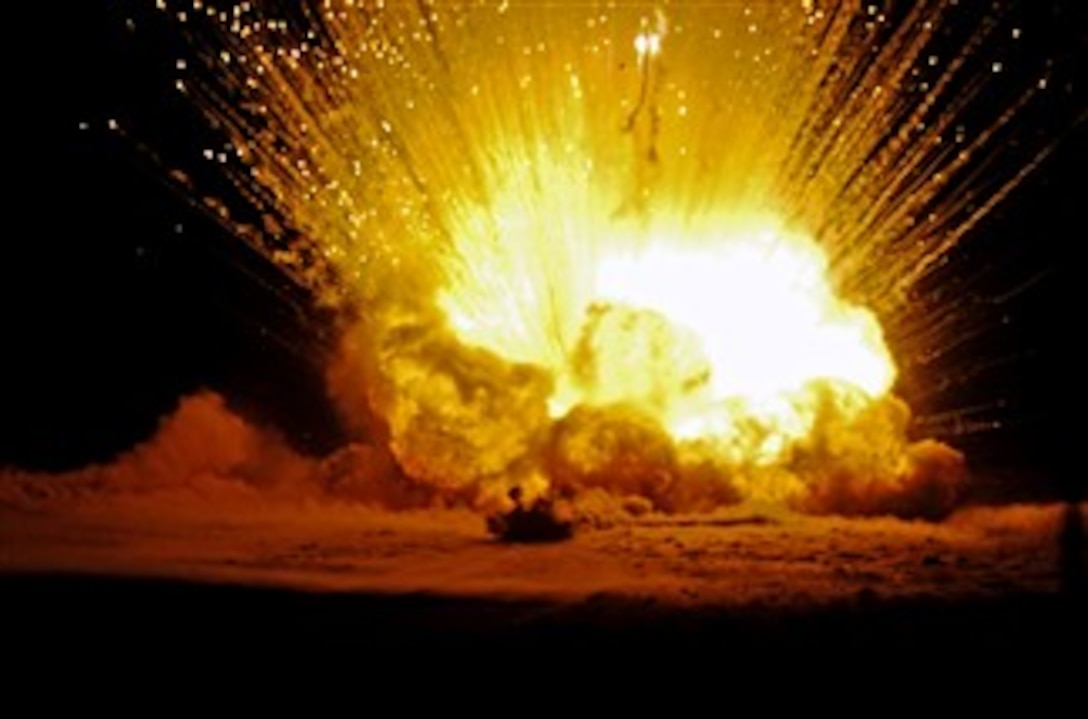
Electric vehicle fires command intense media attention, yet public perception often clashes with fleet and statistical reality. When a lithium-ion battery ignites, the resulting blaze burns hotter and longer than a standard petrol vehicle fire, drawing dramatic headlines. However, comprehensive global data demonstrates that electric cars catch fire significantly less frequently than internal combustion engine vehicles. Understanding the real mechanics behind these incidents requires looking past the sensationalism to examine how battery chemistry works, what triggers failures, and how modern engineering mitigates these risks.
The core search intent surrounding this topic revolves around safety fears, statistical probability, and the underlying chemistry of lithium-ion systems. Drivers and policymakers want to know if the transition to zero-emission transport introduces unacceptable hazards. Data collected across millions of registered vehicles globally indicates that petrol and diesel cars are multiple times more likely to experience a fire event than electric models. Even so, unique characteristics like thermal runaway require specialized response tactics from emergency services and rigorous safety controls from manufacturers.
The Reality of EV Fire Statistics
Headlines frequently highlight spectacular battery fires in parking structures or highways, creating the impression of a widespread epidemic. To evaluate the true risk, transportation agencies and insurance institutes look at fires per 100,000 vehicles.
- Petrol and diesel vehicles record significantly higher annual fire rates due to fuel leaks, hot exhaust components, and complex internal combustion systems.
- Traditional hybrids and plug-in hybrids sit between standard fuel vehicles and pure electrics, though combustion components still maintain baseline fuel risks.
- All-electric vehicles show lower relative incidence rates, with multiple large-scale studies confirming that battery-powered cars are anywhere from two to twenty times less likely to catch fire than gas-powered alternatives, depending on the dataset.
Despite lower overall frequencies, an electric vehicle fire presents distinct challenges. Traditional car fires are typically controlled quickly with standard water or foam extinguishers. A high-voltage lithium-ion battery fire involves a self-sustaining chemical reaction that demands massive volumes of water for cooling and extended monitoring for potential re-ignition. For another angle on this story, see the recent coverage from Reuters.
Understanding Thermal Runaway
The primary mechanism behind severe electric vehicle fires is a process known as thermal runaway. This chain reaction occurs when a single cell within a battery pack suffers a localized failure that generates uncontrolled heat. As the temperature climbs, it triggers exothermic chemical reactions inside adjacent cells, causing the heat to cascade rapidly through the entire pack.
Several specific triggers can initiate this chain reaction:
- Internal Short Circuits: Manufacturing defects, microscopic metallic contaminants (often called dendrites), or separator failures can cause a direct short within a cell.
- Mechanical Damage: Severe collisions, deep chassis punctures, or crushing forces can compromise the physical barriers separating the anode and cathode.
- Electrical Abuse: Overcharging beyond safe voltage limits, severe over-discharging, or exposure to extreme external heat sources can destabilize the internal chemistry.
- Water Ingress: Flooding or moisture penetration can corrode internal components, degrade seals, and cause short circuits long after exposure.
Once thermal runaway begins, the battery pack releases flammable and toxic gases, followed by intense heat and open flame. Because the pack is heavily sealed to protect against everyday weather and debris, accessing the reacting cells directly with extinguishing agents is exceptionally difficult.
Engineering and Prevention Strategies
Automakers and regulatory bodies like the National Highway Traffic Safety Administration enforce stringent safety standards to prevent thermal runaway before it starts. Modern battery management systems (BMS) monitor individual cell voltages, temperatures, and current flows continuously. If anomalies arise, the system instantly isolates the affected circuit.
Physical design improvements have also transformed pack safety. Manufacturers incorporate advanced thermal barriers, aerogel insulation, and dedicated venting channels that direct hot gases away from the passenger cabin and out of the vehicle safely. Furthermore, active liquid cooling systems maintain optimal operating temperatures during fast charging and heavy usage, preventing localized hot spots from forming.
According to safety guidelines from organizations like the National Highway Traffic Safety Administration, testing protocols now simulate severe under-car impacts, thermal abuse, and overcharge conditions to ensure packs shut down safely prior to public deployment.
Emergency Response and Post-Incident Management
First responders require specialized training to handle high-voltage battery incidents safely. Traditional firefighting tactics must adapt because standard extinguishing agents cannot easily penetrate sealed battery enclosures. Fire departments rely on continuous water application to cool the pack below the threshold of the thermal reaction.
Another critical factor is post-fire surveillance. Damaged lithium-ion batteries retain chemical energy and can spontaneously re-ignite hours or even days after an initial fire appears extinguished. Recovery protocols dictate that burned or severely compromised vehicles must be stored outdoors, well away from structures or other vehicles, and monitored via thermal imaging cameras until the pack is fully discharged and stabilized.
Frequently Asked Questions
Are electric cars more likely to catch fire than gas cars?
No. Comprehensive global transportation data shows that petrol and diesel vehicles catch fire at significantly higher rates than electric vehicles.
What causes an EV battery to catch fire spontaneously?
Spontaneous fires are extremely rare and typically stem from manufacturing defects, internal short circuits over time, or delayed reactions following severe physical or water damage to the pack.
How do firefighters extinguish an electric vehicle fire?
Firefighters use large quantities of water to cool the high-voltage battery pack and stop the thermal runaway process. Because energy can remain trapped inside damaged cells, vehicles are often monitored for days after the fire is out to prevent re-ignition.
Is it safe to charge an electric vehicle in a home garage?
Yes, provided the charging equipment is installed correctly by a licensed professional using certified home wall chargers. Standard residential setups include built-in safety checks that communicate with the vehicle's battery management system to prevent overcharging.



