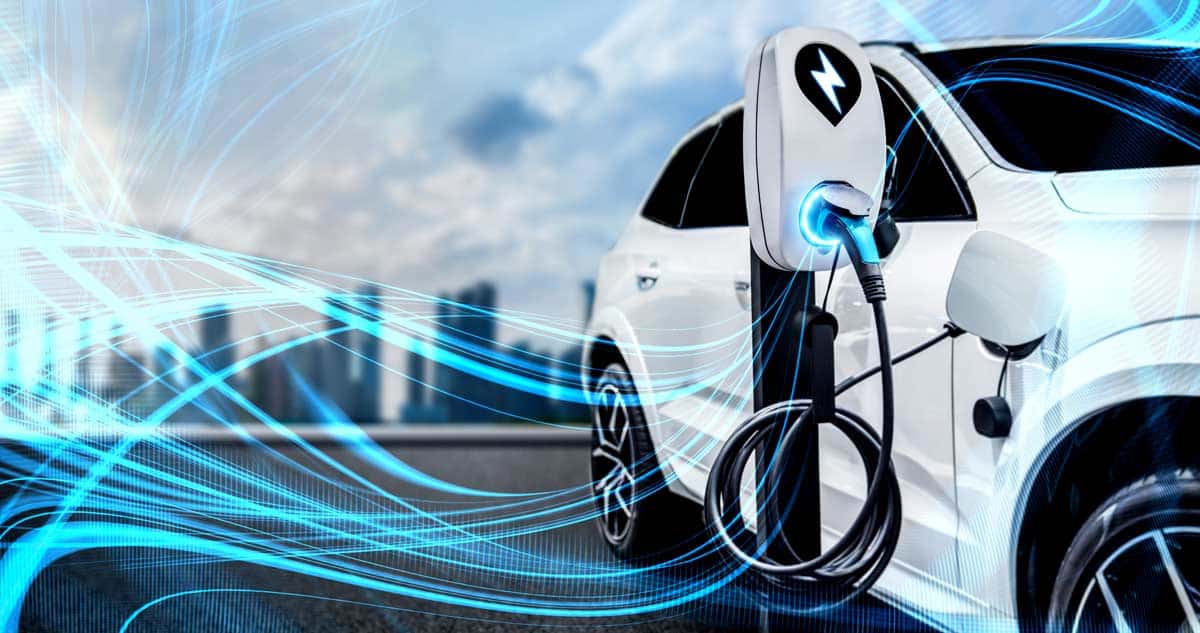
Choosing an electric car rental changes how you experience a new city or open road, replacing engine roar with silent acceleration while cutting tailpipe emissions to zero. As major fleet providers expand their zero-emission inventory, securing an electric vehicle (EV) takes more than picking a standard compact car at the airport counter. You need to account for real-world driving range, charging infrastructure availability, and specific rental company refuel-or-recharge policies to keep your trip smooth.
Whether you're planning a weekend getaway or a business trip, transitioning from a combustion engine to a battery-powered rental requires a shift in how you map your days. Understanding current vehicle classes, navigating public charging networks, and avoiding hidden fees will ensure your eco-conscious choice remains both practical and enjoyable.
Why Rent an Electric Vehicle
Traditional rental fleets rely heavily on gasoline and diesel, contributing directly to urban air pollution and high per-mile travel costs. Opting for an electric car rental eliminates tailpipe emissions entirely, making it a powerful choice for travelers aiming to minimize their environmental footprint.
Beyond environmental benefits, EVs offer a distinct mechanical advantage. Electric motors deliver instant torque, meaning seamless acceleration from a dead stop without shifting gears. The cabin experience is remarkably quiet, reducing driver fatigue on long stretches of highway. Furthermore, many metropolitan areas provide perks for electric vehicles, such as access to low-emission zones, preferred parking spots, or waived toll fees, which add practical convenience to your itinerary.
Financial considerations also favor the switch. While daily base rates for EVs can fluctuate depending on supply and demand, you avoid paying for expensive fossil fuels at traditional pumps. Electricity costs per mile are generally lower, though public fast-charging rates vary by region and network provider.
Modern EV Choices Available for Rent
Rental agencies worldwide now stock diverse electric lineups, moving far beyond early novelty models. Knowing which vehicle category fits your travel style helps prevent range anxiety and discomfort.
Compact and Urban Hatchbacks
Vehicles like the Nissan LEAF or Chevrolet Bolt are built for city exploration and tight parking spaces. They typically offer a real-world range between 200 and 250 miles on a full charge. These models work best if your itinerary centers around urban sightseeing, daily commuting, or short regional day trips.
Midsize Sedans and Long-Range Cruisers
The Tesla Model 3 and Hyundai Ioniq 6 represent the gold standard for road trips. With extensive range options—often exceeding 300 miles—and access to ultra-fast proprietary or CCS charging networks, these sedans handle intercity travel effortlessly. Interior cabin space and advanced driver-assistance features make them comfortable for multi-hour drives.
Electric SUVs and Crossovers
Travelers hauling extra luggage or traveling with family often look toward the Hyundai Kona Electric, Kia EV6, or Volkswagen ID.4. These crossovers provide higher seating positions, generous cargo capacities, and balanced driving dynamics while maintaining competitive battery ranges.
Essential Tips for Booking and Driving an EV
Renting an electric car differs fundamentally from picking up a gas-powered vehicle. Keeping a few tactical guidelines in mind will prevent roadside surprises.
- Audit your daily mileage: Calculate your maximum anticipated daily driving distance before booking. Keep in mind that factors like highway speeds, mountain climbing, and extreme weather can reduce your nominal battery range by 20% to 30%.
- Map your charging network early: Don't rely on finding chargers spontaneously. Download reliable mapping tools like PlugShare to locate active level 2 and DC fast chargers along your exact route.
- Understand the rental return policy: Most traditional rental companies require you to return the car with a specific battery percentage—often matching the level at pickup (e.g., 80% or 100%). Failing to do so can trigger steep convenience or refueling fees.
- Master regenerative braking: EVs use kinetic energy recovery when you lift your foot off the accelerator. Familiarize yourself with this setting during your initial test drive in the rental lot to maximize efficiency and enjoy smoother one-pedal driving.
- Inspect the charging cables: Verify that the trunk contains the necessary Type 2 or Level 1 emergency charging cables before leaving the rental facility.
Frequently Asked Questions
How long does it take to charge a rental electric car?
Charging times depend entirely on the charger type. A standard DC fast charger (Level 3) can replenish an EV battery from 10% to 80% in roughly 20 to 40 minutes. Slower Level 2 public or hotel chargers take several hours, making overnight destination charging the most efficient choice.
What happens if the battery runs out completely?
Just like running out of gas, letting your EV battery hit absolute zero leaves you stranded. Most rental agreements do not cover towing costs incurred by battery depletion through driver negligence. Always monitor your state-of-charge percentage and head to a charger well before the dashboard warning lights appear.
Do electric rental cars require special adapters?
Most modern EV rentals support standard regional plugs (such as CCS or J1772 in North America, or Type 2 in Europe). If you rent a Tesla, you can typically use both Tesla Superchargers and standard public stalls via the vehicle's native navigation system or provided adapters.
Are electric cars more expensive to rent than regular cars?
Base rental prices can sometimes carry a modest premium due to high demand for newer fleet technology. However, when you factor in zero fuel costs and potential parking incentives, the total cost of operation across your trip often balances out evenly with combustion alternatives.


