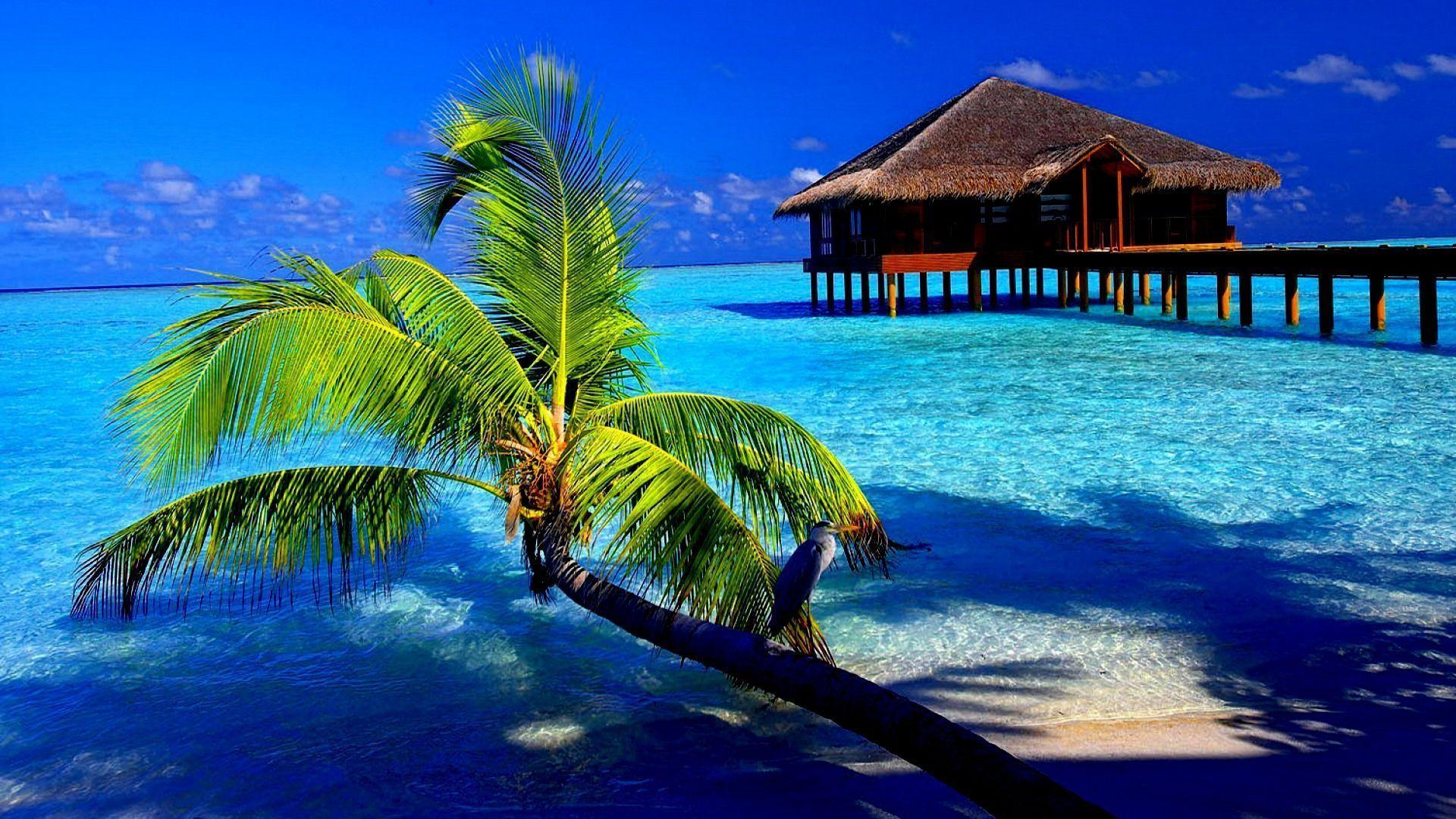
When you translate paradise into Spanish, you get el paraíso. It refers to an ideal place of supreme beauty, safety, and happiness, matching English concepts like heaven or an Edenic sanctuary. Spanish speakers use the term across daily conversation, literature, and geography to denote both physical havens and spiritual ideals.
Understanding this term requires looking beyond a basic dictionary definition. The word carries historical roots from ancient languages, shapes modern geographical naming conventions across Latin America and Spain, and shifts meaning depending on context. Let's examine how the word functions across etymology, regional usage, and everyday speech.
Etymology and Historical Roots of El Paraíso
The word paraíso entered the Spanish language through a long historical chain of cultural borrowing. It traces back to the ancient Avestan word pairidaeza, which meant an enclosure or a walled orchard. From there, the term passed into Persian and ancient Greek as paradeisos, signifying a royal park or garden.
When translators rendered Hebrew biblical texts into Greek and Latin, they used this vocabulary to describe the Garden of Eden. Old Spanish texts adopted it as parayso before standardizing into modern spelling. Because of this trajectory, Spanish speakers immediately associate the word with protected sanctuary, lush vegetation, and divine order rather than wild, untamed nature.
The Linguistic Shift from Garden to Heaven
In religious contexts, el paraíso often serves a dual purpose. It can represent the earthly paradise of Eden (el jardín del Edén), or it can function as a synonym for heaven (el cielo). However, theologians and linguists note subtle distinctions:
- El Edén: Refers strictly to the primordial garden created for humanity.
- El Paraíso: Often carries a broader connotation of spiritual rest, peace, and ultimate reward.
- El Cielo: Represents the formal theological realm of God and the afterlife.
Geographical and Cultural Presence in the Spanish-Speaking World
Conquistadors and explorers carried the term across the globe during the colonial era. Finding fertile river valleys, tropical coastlines, and sheltered bays in the Americas, Spanish explorers frequently named settlements El Paraíso.
Today, numerous towns, municipalities, and neighborhoods across Latin America bear this name. For instance, El Paraíso is a prominent department and city in Honduras, as well as a residential district in Caracas, Venezuela. These locations reflect historical optimism, framing new settlements as lands of future prosperity and abundance.
Beyond official placenames, everyday Spanish speakers use the term to describe natural landscapes. A secluded beach in Costa Rica, a misty valley in the Andes, or a quiet national park easily earns the local description of un paraíso natural.
Common Expressions and Idiomatic Uses
You will encounter paraíso in several common Spanish idioms and fixed phrases. Unlike English, where paradise often stands alone, Spanish pairing creates specific nuances:
- Paraíso fiscal: This translates directly to "tax haven." Governments and financial journalists use it to describe countries or territories with low tax rates for foreign investors.
- Pérdida del paraíso: A literary reference to the biblical fall of man, echoing John Milton's Paradise Lost (El paraíso perdido).
- Ganarse el paraíso: An idiomatic expression meaning to earn one's reward through hard work, sacrifice, or good deeds.
Commercialization and Tourism Marketing
Modern marketing departments across Spain and Latin America heavily leverage the allure of paraíso. Travel agencies promote coastal resorts, islands, and eco-lodges as tropical paradises (parajes paradisíacos).
This commercial usage alters how younger generations encounter the word. While older literary texts anchor the term in spiritual reflection, travel advertising ties it strictly to leisure, white-sand beaches, and escapism. Critics often point out that labeling mass-tourism hubs as paraíso sanitizes local socio-economic realities, turning complex ecosystems into homogenized vacation products.
Frequently Asked Questions
Is paraíso masculine or feminine in Spanish?
The noun is masculine. You use the masculine article el, resulting in el paraíso. Pluralization changes it to los paraísos.
Can paraíso mean heaven in everyday conversation?
Yes, many Spanish speakers use el paraíso interchangeably with el cielo when talking about an afterlife of peace, though el cielo remains the more common choice for traditional religious contexts.
How do you pronounce paraíso correctly?
The stress falls on the penultimate syllable, specifically the í: pah-rah-EE-so. The í carries a written accent mark (tilde) because it breaks a diphthong between the vowels a and i.
What is the adjective form of paraíso?
The standard adjective is paradisíaco (masculine) or paradisíaca (feminine), meaning paradisiacal or heavenly. You can explore more linguistic rules via the Real Academia Española or read about global destination branding through UN Tourism.



