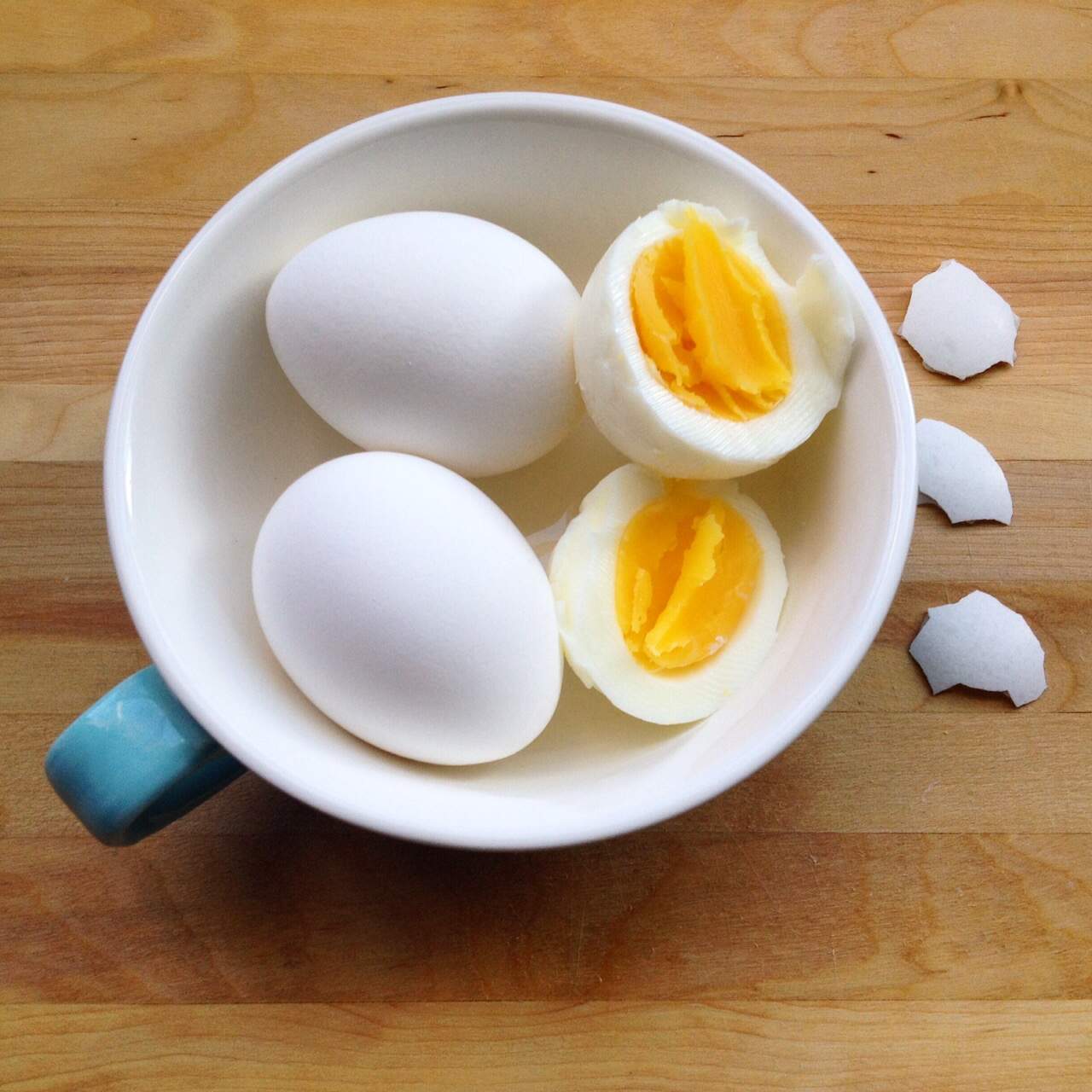
You shouldn't toss an egg just because its printed date has passed. Expiration labels on cartons often reflect sell-by dates rather than safety timelines, leaving many cooks to guess whether their ingredients are still safe to use. You can easily determine egg safety right in your kitchen using physical indicators, simple float methods, and visual inspections once you crack them open.
Knowing how to check egg freshness saves you money and prevents unnecessary food waste. When you understand what happens inside the shell as time passes, you won't have to rely on guesswork or throw out perfectly good food. Let's look at the reliable methods you can use right now.
Why Eggs Lose Freshness Over Time
An egg isn't a static object. It's a porous system that interacts with its surrounding environment from the moment it's laid. The shell contains thousands of microscopic pores that allow moisture and gases to escape gradually.
As moisture evaporates through the shell, air enters and replaces it. This process creates an air pocket inside the large end of the egg. The older the egg gets, the larger this internal air cell grows. At the same time, the white thins out, and the yolk flattens because the internal proteins break down.
Temperature plays a major role in this timeline. According to the United States Department of Agriculture, keeping eggs at a consistent, cold temperature below forty degrees Fahrenheit slows down internal changes and inhibits bacterial growth. If you leave eggs on a warm counter, they age faster in a few days than they would in a month inside a refrigerator.
The Float Test: How It Works and What It Means
The float test is the most famous kitchen hack for checking egg freshness, but it requires proper interpretation. Fill a deep bowl with cold water and drop your eggs inside.
Here is what different positions mean:
- Sinking flat to the bottom: The egg is very fresh. The internal air cell is small, and the density keeps it anchored.
- Standing upright on the bottom: The egg is older, perhaps a few weeks old, but it's typically fine to cook. The air cell has grown large enough to make the wide end tilt upward.
- Floating to the surface: The egg is old. The large air cell makes it buoyant.
Many people assume a floating egg is automatically spoiled and dangerous. That's a myth. A float test only measures the size of the air pocket, which indicates age, not bacteria levels. An old egg that floats might still be completely safe if it's been refrigerated properly, though its texture won't be ideal for frying. You must crack it open to make the final call.
Visual and Olfactory Checks After Cracking
The most reliable test happens after you break the shell onto a clean plate or small bowl. Your senses will give you definitive answers about safety and quality.
Examining the White and Yolk
A fresh egg features a thick, compact albumen that sits tightly around a firm, rounded yolk. As the egg ages, the thick white degrades and spreads out across the plate, and the membrane holding the yolk weakens.
If you crack an egg and the white runs everywhere like water, it's old. It's safe to use in baked goods where structural integrity doesn't matter much, but it won't hold together for poaching or frying. If the yolk breaks immediately upon contact with the plate, the internal structure has failed.
The Smell Test
Your nose is your best defense against spoiled food. A fresh egg smells neutral or slightly of nothing. A rotten egg contains hydrogen sulfide, which produces a sharp, unmistakable sulfur or rotten-egg odor. If you detect any foul, gassy, or sulfurous smell the moment you crack the shell, discard it immediately. Never taste an egg that smells off.
Other Common Home Tests
Beyond floating and cracking, a couple of physical checks can give you hints while the egg is still intact.
The Candling Method
Commercial producers use bright lights to inspect eggs internally, but you can replicate this at home in a dark room. Hold an egg against a bright flashlight or smartphone torch in a pitch-black space.
In a fresh egg, the contents look uniform, and the air cell at the bottom appears small. In an older egg, you'll see a larger air space at the top, and the interior shadow will appear more translucent because the white has thinned out.
The Sound and Motion Check
Bring an egg close to your ear and gently shake it while keeping your hand still. A very fresh egg won't make any sound because the dense white fills the entire interior. An older egg with a large air pocket and watery white will slosh around, creating a subtle liquid motion or tapping sound against the inside of the shell.
Common Mistakes When Testing Eggs
People often make errors that lead to wasted food or, worse, consuming spoiled ingredients.
- Trusting the float test blindly: Throwing away a floating egg without smelling it means you might waste perfectly edible food. Always crack it open to check the odor and appearance.
- Ignoring storage conditions: Leaving cartons on the counter for days ruins the internal quality. Store them in their original carton on an internal shelf of the refrigerator rather than the door, where temperature fluctuations are common.
- Assuming expiration dates are absolute: Food safety guidelines from agencies like the U.S. Food and Drug Administration emphasize that sell-by dates are store inventory guides. Quality declines gradually, but safety depends on temperature control.
- Using cracked shells: If you find an egg with a cracked shell, discard it. Cracks allow bacteria like Salmonella to bypass the natural protective barrier of the cuticle and enter the interior.
Frequently Asked Questions
How long do raw eggs last in the refrigerator?
Raw eggs typically stay fresh for three to five weeks past the purchase date when kept consistently refrigerated. The expiration date on the carton usually falls within this window.
Can I eat eggs past the expiration date if they pass the float test?
Yes. If an egg sinks or stands upright, smells normal after cracking, and has a normal-looking white and yolk, it's safe to cook and eat.
Why do fresh eggs sink while old ones float?
The shell is porous, allowing moisture to evaporate and air to enter over time. This creates a larger internal air pocket, increasing buoyancy until the egg floats to the top of the water.
Are white eggs fresher than brown eggs?
Shell color has no bearing on freshness, quality, or nutritional value. Color depends entirely on the breed of the hen.
What is the safest way to cook older eggs?
Hard-boiling older eggs is ideal because the larger air pocket makes them much easier to peel once cooked. Ensure the yolks and whites are fully firm.



