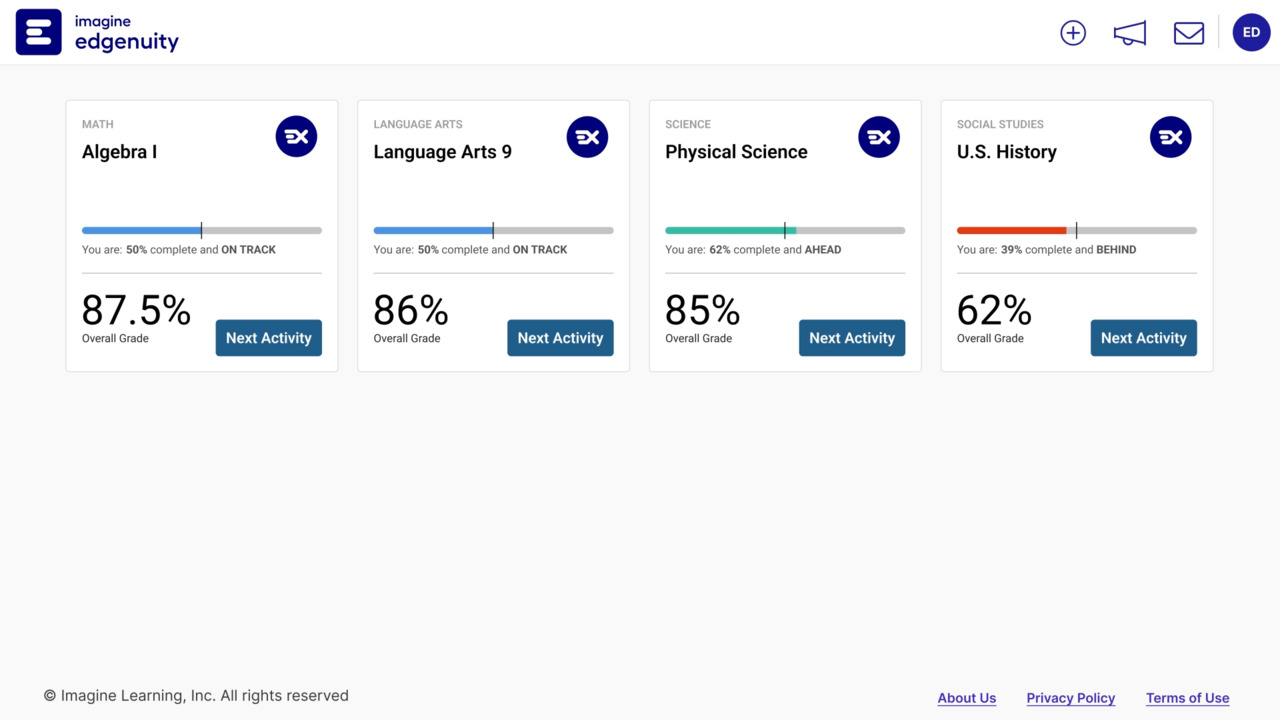
Online credit recovery tools like Edgenuity have transformed how high schools manage graduation requirements, but they've also sparked intense debates. When students look up Edgenuity health answers online, they're usually trying to bypass tedious video lectures and rigid modules to finish graduation requirements fast. This behavior points to a deeper systemic issue: a mismatch between automated curriculum delivery and genuine student engagement.
The controversy surrounding digital health education goes far beyond simple shortcuts or classroom dishonesty. It exposes tension between administrative pressure to boost graduation rates and the real-world need to teach vital wellness concepts. Examining how these platforms operate reveals why students seek workarounds, how schools handle the fallout, and what the future holds for virtual instruction.
The Reality of Digital Health Education on Edgenuity
Health education is supposed to teach life skills, from mental health awareness to nutrition and first aid. On digital platforms, however, these subjects often get reduced to click-through modules. Students face unskippable video lectures, automated quizzes, and written assignments graded by keyword-matching algorithms.
Because the pacing is strict and the content can feel repetitive, many learners tune out. When a student falls behind due to illness or personal challenges, the platform locks down progress until they watch every minute of backlog content. This design creates a bottleneck. Instead of fostering a genuine understanding of wellness, the system turns health class into an obstacle course that students just want to finish.
Why the Search for Answers Exists
The internet is full of forums, shared document drives, and student-run threads dedicated to quiz and test solutions for virtual platforms. This phenomenon isn't unique to health classes, but health courses are frequently viewed as low-stakes electives or graduation hurdles rather than core academic subjects.
- Administrative Pressure: Schools often rely on credit recovery software to push struggling students across the finish line before graduation deadlines.
- Boredom and Burnout: Unengaging video presentations drive students to look for shortcuts just to reclaim their time.
- The Loophole Cycle: Once students realize they can find answers online within seconds, the incentive to pay attention vanishes entirely.
For a deeper look at how educational technology policies evolve, the U.S. Department of Education provides ongoing reports on digital equity and instructional quality. Academic researchers also study these trends closely through institutions like the National Education Policy Center, which analyzes the impact of private vendors in public schools.
The Integrity Arms Race: Proctoring and Detection
To combat widespread answer-sharing, software providers and school districts have integrated stricter monitoring tools. Modern virtual classrooms utilize secure browsers, webcam proctoring, and keystroke analysis to flag suspicious behavior.
- Secure Browsers: Tools like lockdown browsers prevent students from opening new tabs or running unauthorized applications during tests.
- Behavioral Tracking: Systems monitor completion speeds to catch automated scripts or unnatural test-taking velocity.
- AI Plagiarism Scanners: Written responses pass through automated detectors to check if text was generated by external chatbots.
Despite these barriers, an ongoing arms race exists. As soon as security features tighten, students and developers find new workarounds. This dynamic creates an adversarial relationship between learners and the software, shifting the focus away from health literacy and toward policing compliance.
Common Pitfalls in Virtual Credit Recovery
Schools adopting digital platforms often run into predictable roadblocks that limit the effectiveness of online courses.
- Treating Software as a Substitute for Teaching: Putting a student in front of a monitor without active teacher support usually results in low comprehension.
- Ignoring Individual Learning Styles: Video-heavy formats disadvantage students who thrive on interactive, discussion-based, or hands-on learning.
- Prioritizing Speed Over Retention: Compressing a semester's worth of health education into a few days means information is memorized temporarily for a quiz and forgotten immediately after.
The Future of Digital Health Curricula
If digital health education is going to survive past a mere compliance tool, the underlying model must change. Developers and educators are beginning to recognize that passive video viewing does not translate to healthy lifestyle habits.
Future iterations of digital learning will likely move away from monolithic, unskippable lecture modules. Instead, they may incorporate interactive simulations, peer-to-peer virtual discussions, and flexible project-based assessments that are harder to game with a simple web search. Until software designers bridge the gap between engagement and accountability, students will keep searching for shortcuts, and schools will keep wrestling with the integrity of their online credits.
Frequently Asked Questions
Can teachers tell if answers were looked up online?
Yes, especially on written assignments or major exams. Many platforms use AI detection, duplicate-answer filters, and time-tracking metrics that alert teachers when a student completes work at an unrealistic speed.
Why do schools use online platforms for health classes?
Schools often use these programs for credit recovery, allowing students who failed a class due to scheduling conflicts, illness, or attendance issues to catch up independently.
Do colleges care about online credit recovery courses?
Most universities look at cumulative GPA and core academic subjects. However, excessive reliance on alternative credit recovery can sometimes raise questions if foundational skills are missing.
How can digital health education be improved?
Effective programs require blending self-paced modules with regular check-ins from a live teacher, interactive discussions, and practical assignments that connect wellness concepts to daily life.



