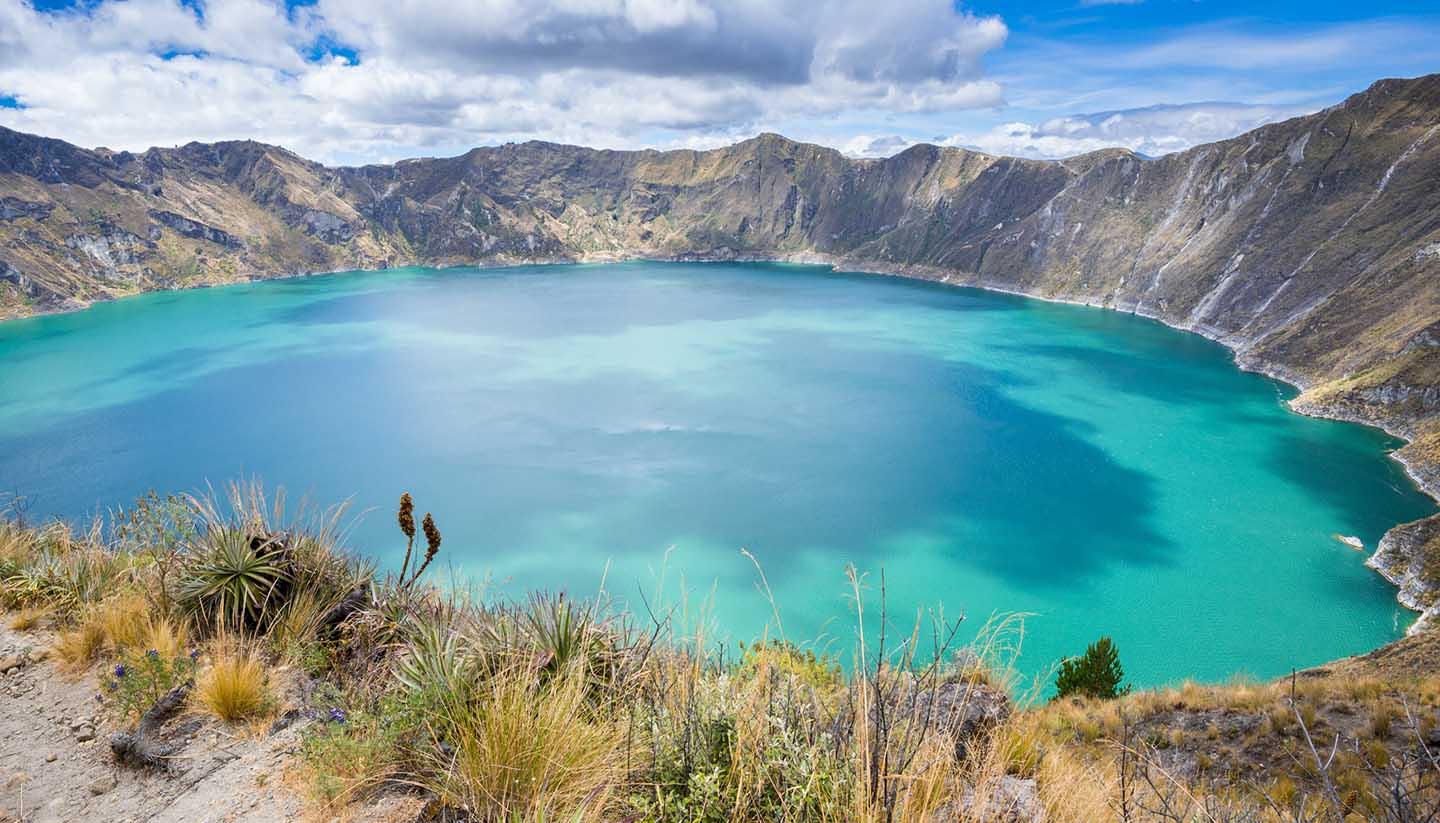
Deciding between Ecuador and Peru depends entirely on whether you want monumental ancient history or compact, biodiverse wildlife adventures. Peru draws millions with the sheer magnitude of Machu Picchu and a world-famous culinary scene. Ecuador fights back with the Galapagos Islands, shorter travel distances, and the stability of the US dollar. Both nations sit shoulder-to-shoulder in the Andes, yet they offer entirely different styles of travel, budgeting constraints, and daily rhythms.
Neither country claims absolute supremacy across the board. Peru dominates in scale, archaeology, and gastronomy, while Ecuador wins on compactness, ease of transit, and immediate wildlife access. Breaking down costs, infrastructure, food, and landscapes clarifies which destination fits your itinerary.
Travel Costs and Budget Realities
Your money stretches differently in each country, shifting how long you can stay and how comfortably you can travel.
Peru generally offers lower daily costs for food, regional transport, and street-level expenses. Basic menus in local markets across Peru cost under $5, and long-distance buses offer incredible value for money given the massive geography. A 20-hour bus journey from Cusco to Lima can cost as little as $20, making it budget-friendly if you have time to spare.
Ecuador uses the United States dollar as its official currency. This eliminates exchange rate anxieties and currency conversion fees, but it makes day-to-day spending slightly higher across most categories compared to Peru. While basic food and local transport remain affordable, organized tours, national park fees, and domestic services carry a sturdier price tag. Visiting the Galapagos Islands requires an upfront financial commitment that instantly shifts the budget calculus.
Currency and Financial Practicalities
- Peru (Peruvian Sol): Subject to minor exchange fluctuations, but cash goes further on daily essentials, local dining, and budget hostels.
- Ecuador (US Dollar): Zero currency conversion friction, but higher baseline prices for accommodation, dining, and internal excursions.
History, Archaeology, and Culture
If your travel motivation stems from ancient civilizations and monumental stone architecture, Peru holds the crown.
Peru preserves some of the most significant archaeological complexes in the Western Hemisphere. Beyond the iconic heights of Machu Picchu, the country houses the Sacred Valley, the mysterious Nazca Lines carved into the arid desert, and the colonial grandeur of Cusco. Walking through these sites feels like stepping directly into the heart of the Inca Empire.
Ecuador features rich indigenous traditions and well-preserved colonial architecture in cities like Quito and Cuenca, but its ancient ruins are more modest. The most famous Incan ruin in Ecuador is Ingapirca, which is fascinating yet smaller and less complex than its Peruvian counterparts. Ecuador's cultural appeal lies less in monumental stone citadels and more in vibrant living indigenous markets, such as Otavalo, where artisan traditions remain active.
Landscapes, Wildlife, and Hiking
Both countries are classified as megadiverse, compressing snow-capped volcanoes, dense Amazonian rainforests, and coastal ecosystems into relatively small geographic areas. However, the nature experiences look distinct.
Peru is a hiker's paradise. It features legendary high-altitude multi-day routes like the Inca Trail, the Salkantay Trek, and the remote paths around Huascarán National Park. The terrain is rugged, dramatic, and demanding, rewarding trekkers with sweeping alpine views and deep canyons like Colca Canyon.
Ecuador counters with the Galapagos Islands, a destination that has no true equivalent in Peru. The Galapagos offer unmatched, close-up wildlife encounters with giant tortoises, marine iguanas, and blue-footed boobies in a protected island ecosystem. On the Ecuadorian mainland, destinations like Mindo provide accessible cloud forests teeming with birdlife without requiring grueling multi-day ascents.
Infrastructure and Getting Around
Logistics often dictate whether a vacation feels effortless or exhausting.
Ecuador wins decisively on transit efficiency. Because the country is compact, you can cross from the Andes to the Amazon or travel between major cities in a fraction of the time. Short, affordable domestic flights and shorter driving distances mean less time lost on transit buses, leaving more room in your daily schedule for sightseeing.
Peru is vast. Traveling between primary regions often requires long overnight bus journeys or multiple domestic flights. A trip combining Lima, the Sacred Valley, and Lake Titicaca demands careful time management to handle high-altitude transitions and lengthy transit blocks.
Gastronomy and Culinary Scene
Food serves as a major deciding factor for modern travelers.
Peru is a global culinary heavyweight. Lima houses several restaurants frequently ranked among the best in the world, blending indigenous ingredients with Japanese, Spanish, and Chinese influences. From fresh coastal ceviche to hearty alpine stews, the country takes immense pride in its food culture.
Ecuadorian cuisine is hearty, honest, and comforting, featuring regional staples like llapingachos (potato cakes) and encocado (fish stew). However, it lacks the international acclaim and experimental innovation found across Peru's restaurant landscape.
Frequently Asked Questions
Which country is better for a short vacation of one week?
Ecuador suits a one-week trip much better. Its compact size allows you to fly into Quito, explore the historic center or nearby cloud forests, and transition smoothly without spending half your trip in transit. A one-week trip to Peru forces you to rush past major highlights due to travel distances.
Is altitude sickness worse in Peru or Ecuador?
Both countries feature major destinations at high altitudes, such as Cusco (11,152 feet) in Peru and Quito (9,350 feet) in Cuenca or Ecuador. Peru's most famous trek routes routinely push past 14,000 feet, making altitude mitigation slightly more critical for hikers in Peru.
Which destination is easier for first-time international travelers?
Ecuador offers an easier entry point for first-time visitors to South America. The use of the US dollar, shorter travel legs, and manageable city layouts reduce travel friction, whereas Peru requires more logistical patience.
Can you combine both countries into a single trip?
Combining both countries is entirely feasible if you have three weeks or more. Many travelers fly into Lima, explore Peru's highlands, catch a flight north to Ecuador, and finish their journey with a Galapagos cruise. Checking current entry requirements on official government portals like Peru's official tourism site ensures a smooth multi-country itinerary.


