When life refuses to align with our personal calendars, Ecclesiastes 3:11 offers an anchor. The verse states that God has made everything beautiful in its time and has put eternity into the human heart, yet mortals cannot fathom the full scope of divine work from beginning to end. This passage addresses the fundamental tension between human chronological time and divine sovereignty. It explains why people possess an innate longing for permanence while remaining trapped in a fleeting, chronological existence.
Understanding this verse requires moving past abstract generalizations to examine its textual components, its historical context within ancient wisdom literature, and its direct implications for coping with uncertainty. Rather than dismissing delays or unmet expectations as mere misfortune, the text reframes them as part of an overarching divine order that governs history and personal experience alike.
Textual Analysis and Original Language
To grasp what the author of Ecclesiastes communicates, we must examine the specific Hebrew terms utilized in the passage. Tradition attributes the book of Ecclesiastes to King Solomon, who writes under the persona of Qoheleth, meaning the teacher or assembler. The text contrasts life hevel (often translated as vanity, vapor, or absurdity) with the enduring reality of God's decrees.
The Hebrew word for "time" in the first clause is et, which denotes an appointed season or a specific juncture. When the text says God makes everything beautiful in its et, it signifies that events unfold at precisely ordained moments rather than by random chance. Meanwhile, the term used for eternity is olam, which refers to antiquity, futurity, or the hidden duration of the universe.
- The term et emphasizes specific, scheduled windows in human history.
- The term olam represents the limitless horizon that God occupies.
- The verb natan (to give or set) indicates that eternity is an intentional placement within human consciousness.
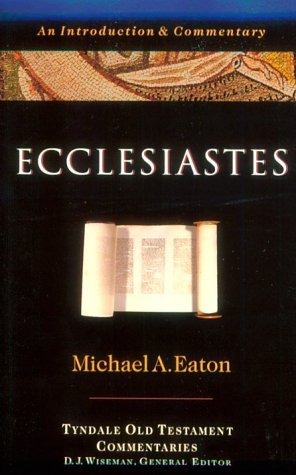
According to biblical scholarship detailed in commentaries such as those published by Tyndale House, the juxtaposition of et and olam highlights humanity's unique predicament. We possess a window into the infinite while standing inside a finite room.
The Paradox of Eternity in the Heart
The assertion that God "has put eternity into man's heart" points to an internal awareness of permanence. Human beings build monuments, write literature, seek justice, and mourn mortality precisely because we sense that existence should not end with physical decay. Animals live entirely in the immediate present without conceptualizing centuries past or future generations. Humans, by contrast, carry an intrinsic weight of the eternal.
This internal wiring creates deep psychological tension. Because we perceive eternity, we crave complete justice, permanent relationships, and ultimate resolutions in the present lifetime. Yet, because our chronological span is brief, we experience chronic frustration when projects fail, relationships end, and injustices go unpunished.
The verse notes that humans cannot "find out what God has done from the beginning to the end." This limitation is not a design flaw meant to torment us; it is a boundary defining creation. If mortals could comprehend the entire timeline of history, faith would become obsolete. The inability to see the final outcome forces individuals to trust the Architect rather than attempting to reverse-engineer the blueprints.
Chronos Versus Kairos in Biblical Theology
The ancient Greeks used two distinct words for time that help clarify the mechanics of Ecclesiastes 3:11: chronos and kairos.
Chronos refers to quantitative, sequential time. It is the ticking of the clock, the turning of calendar pages, and the physical aging process. Modern life orbits entirely around chronos. We manage schedules down to the minute, panic over missed deadlines, and view wasted hours as financial loss.
Kairos, however, represents qualitative time—the opportune moment, the critical turning point, or the season appointed by divine authority. While humans operate primarily in chronos, God operates sovereignly in kairos.
When Ecclesiastes notes that God makes everything beautiful in its time, the Hebrew word yaphah implies appropriateness or suitability. Things are not necessarily pretty or pleasant in the moment of their occurrence; rather, they fit perfectly into the broader mosaic of history when viewed from the end. The delay in an answer to prayer or the sudden disruption of a career path represents a shift from human chronos expectations into divine kairos execution.
Practical Steps for Aligning with Divine Timing
Accepting divine sovereignty over time requires deliberate shifts in mindset and daily practice. Moving from anxiety to trust involves concrete steps:
- Audit your schedule for frantic urgency. Identify areas where you attempt to force outcomes prematurely out of fear rather than preparation.
- Differentiate between productive diligence and anxious control. Plant the seeds—much like a farmer—and accept that you cannot manipulate the speed of the harvest.
- Reframe interruptions as redirected appointments. When plans derail, view the disruption through the lens of kairos rather than an annoyance destroying your chronos routine.
- Journal historical patterns of provision. Document past instances where delayed gratification or closed doors ultimately protected you or led to a superior outcome.
Common Misinterpretations of Ecclesiastes 3:11
Readers frequently misapply this verse, leading to unhelpful theological conclusions or passive fatalism. Recognizing these errors protects against distorted applications:
- The Passivity Trap: Believers sometimes assume that if God has perfect timing, human effort is irrelevant. They wait indefinitely for circumstances to change without taking responsible action. Scripture consistently pairs divine sovereignty with human stewardship, such as working diligently while trusting God for the increase.
- The Panglossian Error: Interpreting "everything beautiful" to mean that every individual event in life is inherently good or painless causes deep emotional harm. The verse does not claim that tragedy is good; it asserts that God ultimately integrates all events—including suffering—into a coherent, purposeful ultimate design.
- Temporal Hubris: Assuming we can decode specific current events as direct punishments or rewards from God's personal calendar violates the text's explicit warning that humans cannot find out the full scope from beginning to end.
Frequently Asked Questions
What does it mean that God makes everything beautiful in its time?
It means that every season of life—whether marked by weeping, laughing, building, or tearing down—serves a structural purpose in the broader architecture of history. Things fit together correctly in God's ultimate assessment, even if they feel chaotic or painful to us in the present.
Why did God put eternity in the human heart?
Eternity in the heart provides humanity with the capacity to seek transcendent meaning, moral truth, and a relationship with the Creator. It bridges our temporary physical existence with our spiritual capacity for the infinite.
How can I practice patience when waiting for God's timing?
Patience grows by shifting focus from the outcome to daily faithfulness. Instead of obsessing over when a situation will resolve, concentrate on executing your immediate responsibilities with integrity and presence.
Does Ecclesiastes 3:11 mean we have no free will?
No. The verse describes divine sovereignty—God's ultimate control over the framework of time and history—which coexists in biblical theology with human moral responsibility and freedom of choice.