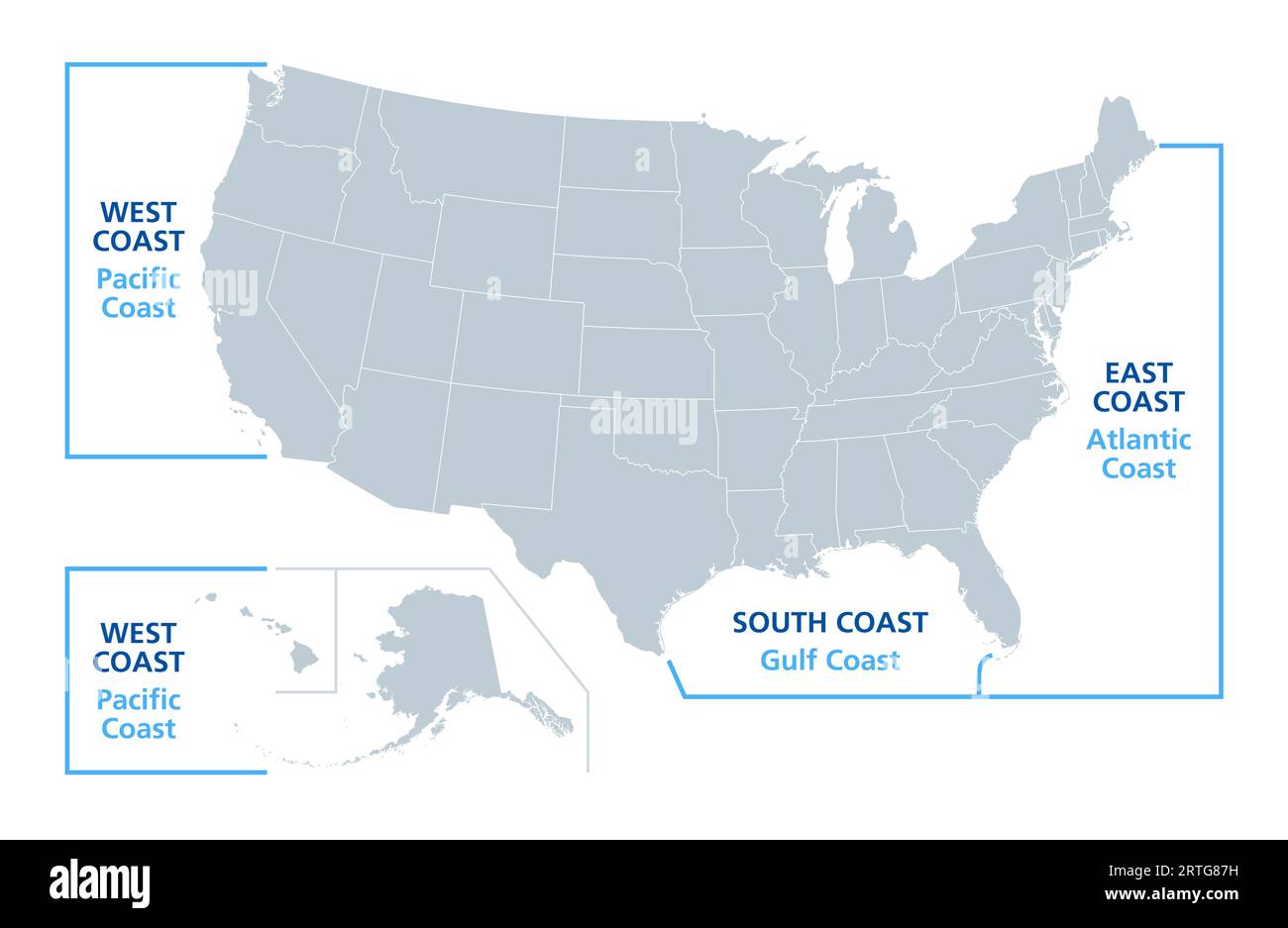
Moving to the eastern time zone alters how you manage daily business hours, communicate with remote teams, and enjoy evening downtime. Whether you're shifting operations for a remote career or relocating across state lines, switching your clock footprint requires structural preparation.
Managing an eastern time zone migration effectively demands evaluating your daily schedule, remote communication pipelines, and natural sleep patterns. While the region dominates national media, financial markets, and prime-time logistics, it also introduces earlier deadlines and faster-paced communication cycles that catch unprepared movers off guard.
Why Eastern Time Zone Migration Matters for Remote Workers
Shifting your base to the east coast alters your professional rhythm instantly. If your employer or primary clients operate on western or central schedules, your workday effectively shrinks or shifts forward. You wake up earlier relative to central or pacific counterparts, giving you a quiet morning window before external messages start flooding in.
Yet this shift creates friction when handling late-afternoon requests. An inquiry sent at 4:30 PM Pacific time lands in your inbox at 7:30 PM Eastern time, threatening to bleed into your personal evening hours. Establishing strict boundary management becomes necessary from day one to protect your personal time from timezone creep.
Core Advantages of the Eastern Time Zone
The primary perk of joining the eastern time zone is alignment with major economic hubs, financial markets, and national media outlets. Stock markets open at 9:30 AM Eastern, and corporate headquarters across New York, Atlanta, and Washington D.C. operate on this standard.
- Synchronized Business Operations: You won't constantly calculate hour offsets when booking client calls or corporate meetings.
- Media and Entertainment Access: Live television events, sports broadcasts, and national product launches happen on eastern schedules, meaning you catch prime-time events without staying up past midnight.
- Logistics and Shipping: E-commerce fulfillment and freight networks favor eastern tracking, reducing transit confusion for commercial operations.
For professional growth, being on the same clock as dense industry clusters makes networking, live conferences, and synchronous collaboration frictionless.
Hidden Drawbacks and Structural Cons
While the professional alignment is strong, daily life undergoes noticeable changes that impact lifestyle and sleep hygiene.
- Compressed Mornings for West-Connected Teams: If you maintain clients out west, your workday may stretch later into the evening to accommodate their afternoon hours.
- Late-Night Sports and Programming: Prime-time events often kick off late, pushing entertainment wind-down hours past conventional bedtimes.
- Seasonal Daylight Shifts: Depending on how far north or south you move within the zone, winter sunsets can arrive drastically early, cutting short afternoon outdoor activities.
Circadian disruption also occurs during the initial adjustment phase. Even without crossing national borders, shifting your biological clock to match a faster regional tempo requires conscious management of sleep routines.
A Seven-Step Strategic Migration Plan
Moving your life or business footprint requires a phased approach to prevent operational chaos.
- Audit Current Communication Channels: Map out where your primary stakeholders, clients, and family members live. Identify exact hour gaps to spot potential bottlenecks before you pack a single box.
- Redefine Your Core Working Hours: Set rigid availability blocks. If you maintain ties to the west, carve out protected deep-work hours in the eastern morning before external pestering begins.
- Update Digital Infrastructure: Change time zone settings across your project management tools, calendar software, automated billing systems, and communication platforms like Google Calendar. Missed meetings ruin credibility during a transition.
- Adjust Sleep and Wake Rhythms: Shift your alarm 15 minutes earlier every few days over a two-week span prior to your move date to prevent severe morning grogginess.
- Calibrate Financial and Legal Subscriptions: Update billing addresses, state tax registrations, and banking profiles. Financial institutions often flag sudden regional shifts if automated alerts aren't managed.
- Establish Evening Boundaries: Protect your post-dinner hours. Because eastern business culture moves quickly, set auto-status messages on Slack or Microsoft Teams when your workday officially concludes.
- Monitor Team Fatigue: If you manage a team undergoing this migration, track productivity metrics and burnout indicators to ensure the time shift isn't quietly draining morale.
Common Mistakes to Avoid
Movers frequently underestimate how small operational habits compound over time.
- Ignoring Daylight Saving Impacts: Remember that not all regions or international partners observe time changes identically, which temporarily scrambles international scheduling.
- Failing to Update Automated Triggers: Cron jobs, email campaigns, and automated software notifications tied to local time settings can misfire if left unadjusted.
- Neglecting Personal Social Networks: Forgetting that friends and family back home are now an hour or two behind leads to awkward communication timing, where you call them during their busy workday or they wake you up late at night.
Frequently Asked Questions
How long does it take to adjust biologically to a time zone shift?
Minor shifts usually require three to five days of consistent sleep scheduling. Maintaining a fixed wake-up time regardless of weekend habits accelerates the internal reset.
How do I manage clients who refuse to respect my new schedule?
Set clear expectations in writing before the move. Update your email signature with your explicit operating hours and rely on automated out-of-office triggers once your workday concludes.
Does the eastern time zone affect tax residency?
Time zones themselves do not dictate tax obligations, but physical relocation across state lines within the zone triggers complex state income tax, nexus, and compliance requirements managed through agencies like the Internal Revenue Service.
Is remote work harder in the eastern time zone?
It depends entirely on your client base. If your employer sits in the pacific zone, you gain quiet morning hours but face extended evening availability requirements.