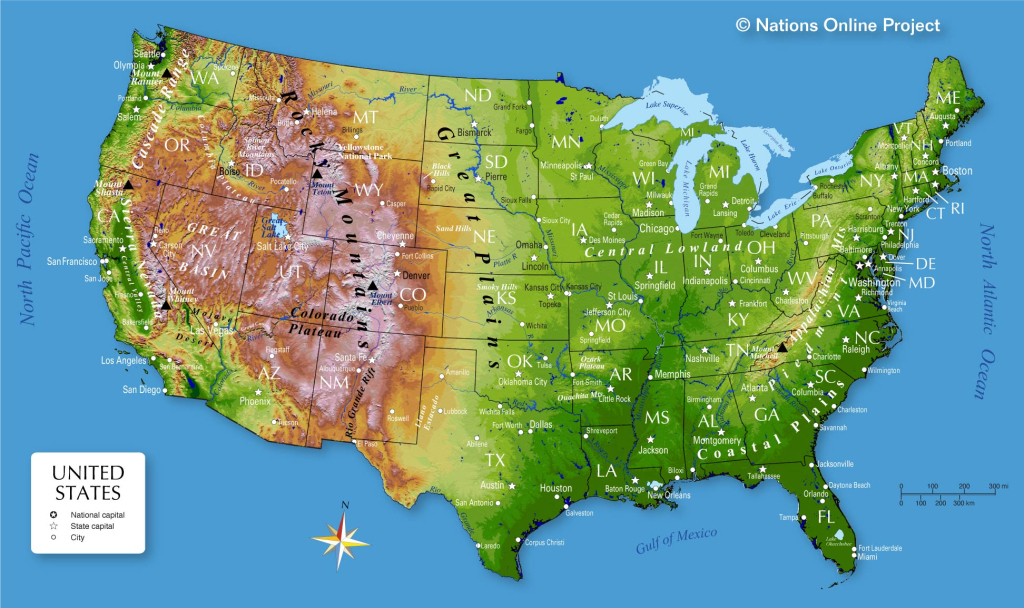
The United States East Coast faces an unprecedented financial and physical squeeze. Rising sea levels, frequent storm surges, and aging public works have collided with municipal balance sheets already strained by long-term borrowing. Local governments are caught in a trap where repairing storm damage requires taking on more debt, which in turn downgrades credit ratings and raises future borrowing costs. This cycle threatens the economic stability of the nation's most densely populated coastline.
Cities from Miami to Boston rely on infrastructure designed for a climate that no longer exists. Seawalls, stormwater drainage networks, and public transit tunnels built decades ago routinely fail during high-tide flooding and severe precipitation events. Fixing these vulnerabilities carries a staggering price tag. Analysts estimate that addressing the broader national and regional adaptation deficit could run into tens of trillions of dollars over the coming decades, turning routine municipal budgeting into a high-stakes fiscal crisis.
The Anatomy of the Coastal Fiscal Squeeze
Municipal finance on the East Coast depends heavily on property taxes and local bond issuances. When repetitive flooding hits coastal neighborhoods, property values stall or decline. Lower valuations directly erode tax revenues just as cities need capital to repair damaged roads, bridges, and water treatment plants.
At the same time, institutional investors and credit rating agencies are starting to price physical climate risks into municipal bonds. Cities with high vulnerability and low cash reserves face higher interest rates when they try to borrow money for rebuilding. Analysts at Bloomberg have also weighed in on this trend.
- Revenue Shrinkage: Chronic flooding reduces commercial and residential property tax yields.
- Borrowing Penalties: Rating agencies like Moody's and S&P factor local climate preparedness into credit scores.
- Emergency Overload: Frequent disaster declarations drain emergency reserve funds before long-term hardening projects can begin.
This dynamic creates a feedback loop. Towns spend their reserves on short-term disaster recovery instead of long-term structural adaptation. When the next major storm arrives, the damage is worse, requiring even larger loans.
Why Traditional Municipal Bonds Fall Short
Traditional municipal financing models assume that infrastructure assets depreciate predictably over twenty to fifty years. Tax-exempt bonds are issued to build a bridge or a sewer plant, and the debt is paid off through steady stream revenues or taxes over the bond's lifespan. Climate change breaks these fundamental assumptions.
When a storm destroys a newly renovated wastewater facility ten years ahead of schedule, the municipality still owes the principal on the first bond while needing to issue a second bond for reconstruction.
"Growing physical losses impact municipal public health, which limits adaptation efforts, thereby raising future climate exposure risks and subsequently increasing borrowing costs." — Environmental Finance Research
Local officials often underprice bonds or defer maintenance because raising taxes to cover unseen future risks is politically unpopular. Deferred maintenance accumulates silently until a catastrophic failure forces emergency intervention at triple the cost of planned upgrades.
The Real Cost of Deferred Adaptation
Delaying structural resilience projects does not save money; it merely shifts the expense from planned capital investment to emergency disaster relief. Federal disaster assistance covers a large portion of initial emergency response, but local cost-share requirements can instantly wipe out a small municipality's budget.
Furthermore, critical infrastructure networks are interdependent. If a coastal substation floods, it knocks out power to local water pumps. Without power, the water system fails, shutting down local businesses and hospitals. The economic disruption spreads far beyond the flooded street, reducing regional economic output and cutting state tax receipts.
Roads and Bridges Under Thermal and Water Stress
Paved roads and rail lines on the East Coast face dual threats from rising temperatures and excess moisture. Prolonged heat waves cause asphalt to soften and rut, while heavier downpours wash out sub-bases beneath rail tracks and highway interchanges. State departments of transportation now spend a disproportionate share of their maintenance budgets simply patching weather-related wear and tear, leaving little room for systemic redesign.
Water and Wastewater Vulnerabilities
Underground stormwater systems in older East Coast cities were built to handle historical rainfall curves. Today's cloudbursts overwhelm these systems instantly, causing raw sewage to back up into basements and overflow into local estuaries. Upgrading these subsurface networks requires digging up dense urban corridors, a process that disrupts commerce and costs billions of dollars per city. You can review broader assessments of these national deficits through the American Society of Civil Engineers.
Pathways Out of the Climate Debt Loop
Breaking the cycle of reactive borrowing requires structural changes in how local and state governments plan capital improvements. Forward-thinking municipalities are shifting toward asset management strategies that explicitly account for shifting environmental baselines.
- Risk-Informed Capital Planning: Integrating climate vulnerability assessments into every municipal bond issuance and public works project.
- Dedicated Resilience Funds: Establishing revenue streams independent of property taxes, such as stormwater utility fees that charge properties based on their impermeable surface area.
- Regional Risk Pooling: Joining multi-jurisdictional compacts to share the cost of massive coastal protection projects that individual towns cannot afford alone.
- Managed Retreat Strategies: Selectively acquiring repeatedly flooded properties to restore natural wetlands that absorb storm surge energy naturally.
Federal agencies like the Federal Emergency Management Agency offer grants for pre-disaster mitigation, helping cities build higher and stronger before the next emergency strikes. However, accessing these funds requires sophisticated grant-writing capacity and upfront capital that smaller municipalities frequently lack.
Frequently Asked Questions
What is the climate debt doom loop?
It is a financial cycle where physical climate damage reduces a municipality's tax base, increases emergency spending, and lowers credit ratings, which drives up borrowing costs and leaves the city with fewer resources to prepare for future storms.
Why are East Coast municipal bonds particularly vulnerable?
The East Coast features high population density, aging infrastructure, and extensive coastal real estate exposed to rising sea levels and intense nor'easters and hurricanes. Investors are increasingly penalizing bonds from municipalities that lack credible adaptation plans.
How much will coastal infrastructure upgrades cost?
While estimates vary widely depending on the timeframe and emissions scenarios, comprehensive national adaptation for water, transit, and coastal protection runs well into the trillions of dollars, with regional East Coast needs making up a substantial share of that total.
Can federal grants solve local infrastructure debt?
Federal grants provide vital seed money for pre-disaster mitigation and major resilience projects, but they usually require local matching funds and cannot cover the day-to-day maintenance backlog facing most municipal governments.


