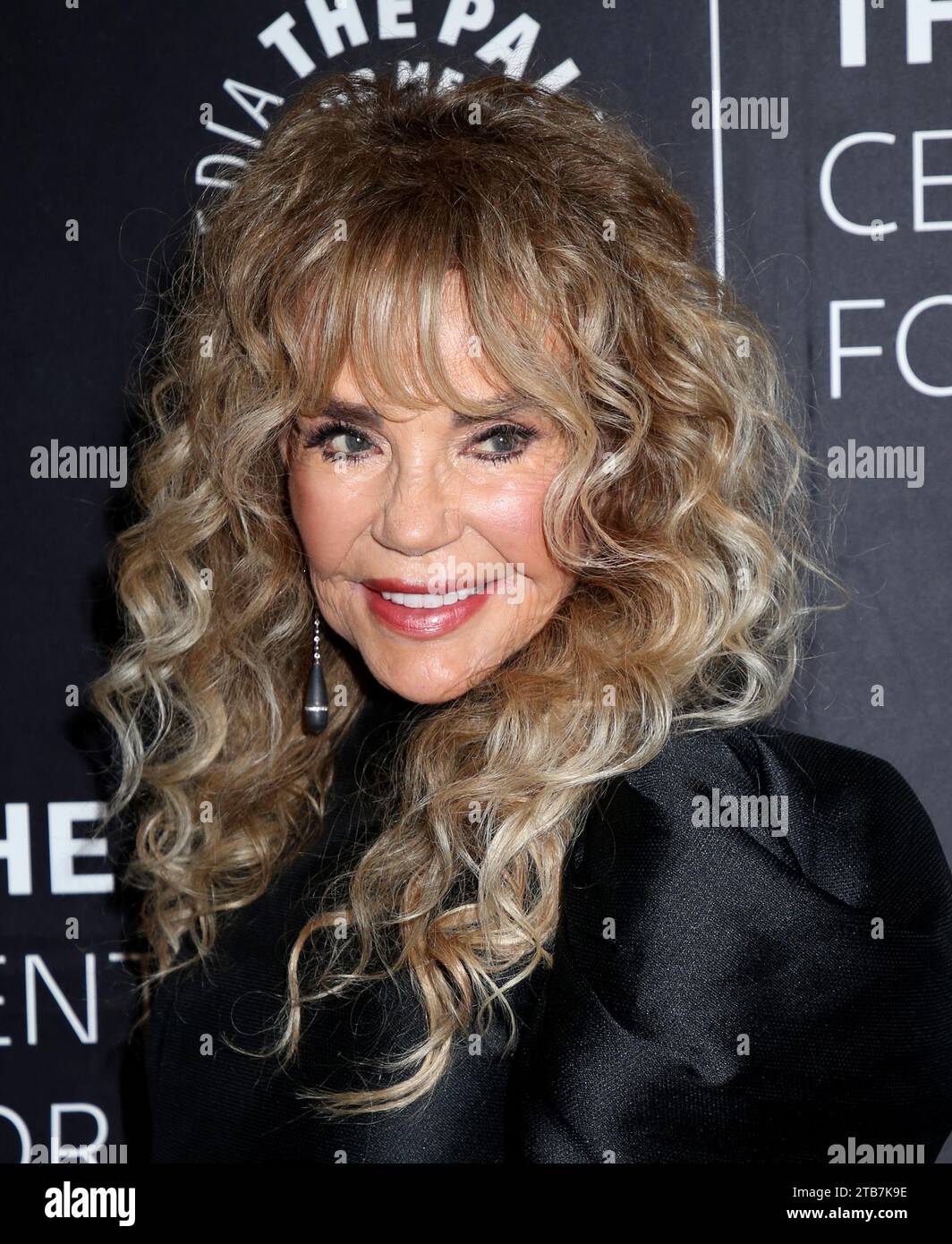
Dyan Cannon entered the studio system when old Hollywood's polished machinery was cracking open, bringing a nervous, jagged vulnerability to the screen that traditional glamour girls rarely touched. Instead of playing passive objects of affection, she chose characters caught in the messy crosscurrents of social change, marital disillusionment, and personal reinvention.
Her breakthrough didn't arrive through a conventional studio buildup, but through a calculated defiance of the era's archetype. By examining her trajectory from television guest spots to Academy Award nominations, we see how she mapped the changing psychological landscape of American film.
The Breaking of the Mold: Early Roles and System Resistance
Born Samille Diane Friesen in Tacoma, Washington, Cannon moved to Los Angeles and worked as a showroom model before catching the eye of producer Jerry Wald. Under contract with major studios in the late 1950s and early 1960s, she found herself boxed into standard guest-star slots on episodic television like 77 Sunset Strip and Bat Masterson.
The studio machine wanted predictable ingenues, but Cannon possessed an unpredictable edge. Her early film outings, such as The Rise and Fall of Legs Diamond (1960), showed glimpses of a performer who didn't just inhabit a scene—she disrupted it with physicalized anxiety and sharp timing.
Hollywood in the 1960s was shedding its rigid censorship codes, and actors who could project internal conflict suddenly found themselves in high demand. Cannon's marriage to Cary Grant placed her squarely in the tabloid crosshairs of classic Hollywood royalty, yet her professional ambitions pushed past the gossip columns. When she returned to features after her divorce, she skipped the safe choices entirely.
Bob & Carol & Ted & Alice and the Satire of Modern Mores
The turning point arrived with Paul Mazursky's Bob & Carol & Ted & Alice (1969). As Alice Henderson, Cannon delivered a performance that dismantled the facade of 1960s suburban liberalism.
- The breakdown scene where her character processes modern sexual ethics through nervous laughter remains a masterclass in comedic discomfort.
- Her work earned her an Academy Award nomination for Best Supporting Actress, proving that vulnerability could carry sharp satirical weight.
- Unlike the untouchable starlets of the studio golden era, Cannon's characters were deeply insecure, prone to anxiety, and visibly messy.
This film opened the door for a wave of anti-heroines in early 1970s cinema. Directors realized she didn't need glamorous framing to hold the screen; her power came from her willingness to look foolish, desperate, or profoundly confused.
Behind the Camera: Writing, Directing, and Breaking Barriers
Many actors of her generation retired into supporting television roles once their ingenerue years passed, but Cannon pivoted behind the camera. In 1976, she wrote, directed, produced, and edited the short film Number One, tackling children's bodily curiosity and adult repression.
- The project earned an Academy Award nomination for Best Live Action Short Film.
- She became the first actress to receive an Oscar nomination in that specific directorial category.
- She later directed the feature film The End of Innocence (1990), drawing directly from her own upbringing and early industry pressures.
This multi-hyphenate shift proved that her understanding of Hollywood complexity wasn't just intuitive—it was structural. She understood how narratives were built from the ground up, giving her performances a distinct structural awareness.
Navigating the 1970s and 1980s: Comedy, Thrillers, and Prestige
Throughout the 1970s and 1980s, Cannon balanced high-concept studio comedies with gritty character studies. Her role as Julia Farnsworth in Warren Beatty's Heaven Can Wait (1978) brought her a second Oscar nomination and a Golden Globe, showcasing her mastery of breathless, high-strung comedy.
Yet, she balanced that bright commercial success with dark psychological thrillers like Deathtrap (1982) alongside Michael Caine, and complex dramas like Such Good Friends (1971) directed by Otto Preminger. In each project, she refused to play the victim. Her characters possessed sharp wits, biting sarcasm, and emotional armor that cracked only when the narrative demanded it.
You can explore comprehensive archival data on her filmography and production credits through the American Film Institute Catalog.
Frequently Asked Questions
What was Dyan Cannon's first major film role?
Her major breakthrough came with the 1969 satirical comedy Bob & Carol & Ted & Alice, which earned her widespread critical acclaim and her first Academy Award nomination.
How many times was Dyan Cannon nominated for an Academy Award?
She received three Oscar nominations during her career: two for Best Supporting Actress (Bob & Carol & Ted & Alice and Heaven Can Wait) and one for Best Live Action Short Film (Number One).
Did Dyan Cannon direct any films herself?
Yes. She wrote, directed, produced, and edited the Oscar-nominated short Number One in 1976, and later directed the feature film The End of Innocence in 1990.
Where can I read official records of her industry awards?
You can verify her official nominations and win history through the Academy of Motion Picture Arts and Sciences Database.



