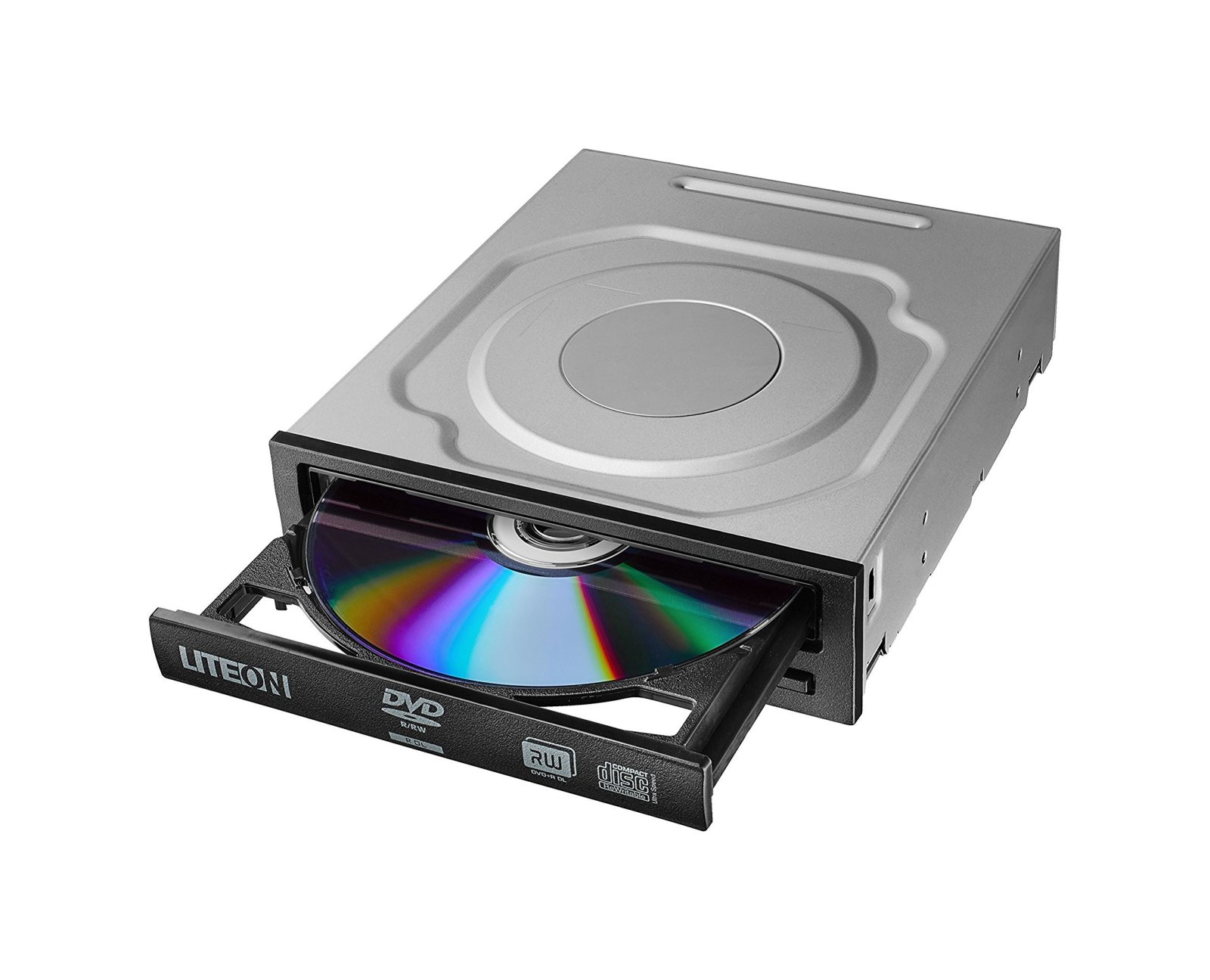
When people ask what DVD stands for, the standard technical answer is Digital Versatile Disc (though early developers debated calling it Digital Video Disc). Launched commercially in late 1996 and 1997, the format didn't just replace the bulky VHS tape; it completely transformed how people consumed feature-length films, bonus content, and software.
Understanding the impact of the format means looking past the 4.7 GB storage limit. You have to examine how a coalition of rival electronics giants agreed on a single standard, why it outperformed laserdisc and tape, and how it left a lasting blueprint for digital media distribution long before streaming took over.
The Format War That Built the Standard
In the early 1990s, consumer electronics manufacturers recognized that existing CD technology couldn't hold enough data for high-quality, full-length digital video. Two separate factions began developing high-density optical disc formats.
Sony and Philips backed the Multimedia Compact Disc (MMCD) format. Meanwhile, Toshiba, Time Warner, and a group of major technology companies developed the rival Super Density (SD) disc.
An industry-wide format war looked inevitable, threatening to repeat the costly consumer confusion of the Betamax versus VHS battle. Hollywood studios intervened, threatening to withhold film support unless the technology companies agreed on a single universal format.
By 1995, the rivals merged their technologies into a unified specification known as the DVD. The compromise preserved backward compatibility with standard audio compact discs while introducing major leaps in laser precision and data compression.
Technical Specifications and Architecture
The physical dimensions of a DVD match a standard audio CD—120 millimeters in diameter and 1.2 millimeters thick. Yet, a DVD holds vastly more data because of optical engineering advancements.
- Laser Wavelength: Standard CDs use an infrared laser operating at a wavelength of 780 nanometers. DVDs utilize a shorter red laser beam at 650 nanometers. This tighter beam reads much smaller microscopic pits and lands on the polycarbonate disc surface.
- Storage Tiers: The base format, DVD-5, is a single-sided, single-layer disc holding 4.7 GB. Dual-layer variants (DVD-9) double the capacity to 8.5 GB by adding a second semitransparent reflective layer beneath the first, allowing a laser to refocus and read the deeper layer without ejecting the disc. Double-sided variations (DVD-10 and DVD-18) pushed storage limits even further.
- Video and Audio Codecs: Video data relied primarily on MPEG-2 compression, which compressed large raw video feeds into manageable file sizes while preserving widescreen theatrical aspect ratios. Audio leapt forward through multi-channel formats like Dolby Digital (AC-3) and DTS, turning average living rooms into immersive home theaters.
According to historical data from the Digital Entertainment Group, consumer spending on physical home video surged dramatically throughout the late 1990s and 2000s, turning home media into a massive profit center for Hollywood studios.
The Golden Age of Special Features and Interactivity
Before streaming algorithms dictated what people watched next, DVDs offered a tangible sense of ownership and discovery. Studios quickly realized that the extra storage space allowed for interactive menus and bonus content that cinematic releases previously hid away.
Director commentaries, behind-the-scenes documentaries, deleted scenes, and outtakes turned casual viewers into film enthusiasts. For the first time, fans could inspect how a blockbuster came together.
Television networks also capitalized on the format. Multi-disc box sets made serialized television bingeable long before broadband internet speeds supported streaming. Shows like The X-Files and The Sopranos found massive secondary audiences because viewers could watch entire seasons sequentially without commercial breaks.
Region Coding and Global Distribution Control
To protect international theatrical release windows—which often staggered premieres by weeks or months across different continents—studios implemented DVD region coding.
Software and hardware players enforced strict geographical locks. For example, a disc purchased in North America (Region 1) would trigger an error message if inserted into a player bought in Europe (Region 2). This control mechanism frustrated global consumers and sparked a thriving market for region-free hardware modifications and homebrew software decryption tools.
Beyond Movies: Software Distribution and Data Storage
While the acronym highlights video versatility, the format played an equally critical role in personal computing. Before broadband internet made multi-gigabyte software downloads routine, DVD-ROMs served as the primary delivery mechanism for heavy applications, operating systems, and video games.
Complex PC games shipped on multiple CDs shrank down to a single DVD, cutting manufacturing costs and eliminating mid-game disc swaps. Digital artists, photographers, and businesses relied on recordable DVD-R and DVD+R discs to back up gigabytes of important files locally.
Even today, operating system installers and disk imaging tools frequently rely on the ISO file structure originally standardized for optical discs.
Why DVDs Still Matter in the Age of Streaming
High-speed internet and subscription streaming platforms have relegated physical media to a niche market. Yet, the format refuses to disappear entirely.
Streaming services frequently alter, censor, or remove content due to expiring licensing agreements or corporate restructuring. Physical discs provide permanent, offline access that corporate library updates can't touch.
Boutique physical media labels like the Criterion Collection and various independent distributors continue to release films on physical formats, ensuring that cinema history remains accessible outside the walled gardens of subscription platforms.
Frequently Asked Questions
Does DVD stand for Digital Video Disc or Digital Versatile Disc?
Both terms were used early in the format's development, but the official consortium trademarked Digital Versatile Disc because the media stored computer software, audio, and data files, not just video.
Why do some old DVDs look blurry on modern HD or 4K TVs?
Standard DVDs store video at a resolution of 480i (NTSC) or 576i (PAL), which totals standard definition. Modern flat-screen TVs must upscale those low-resolution pixels to fit high-definition displays, which introduces softness and artifacts unless paired with a high-end upscaling Blu-ray or media player.
What is DVD rot?
DVD rot refers to the gradual chemical degradation of an optical disc. It typically happens when oxygen or moisture breaches the sealant edge, oxidizing the reflective aluminum layer or separating the polycarbonate layers until the laser can no longer read the data.
Can a standard DVD player read Blu-ray discs?
No. Blu-ray players use a finer blue-violet laser with a 405-nanometer wavelength, allowing them to read smaller pits packed much closer together. However, Blu-ray and 4K Ultra HD players are backward-compatible and include red lasers designed to read standard DVDs.



