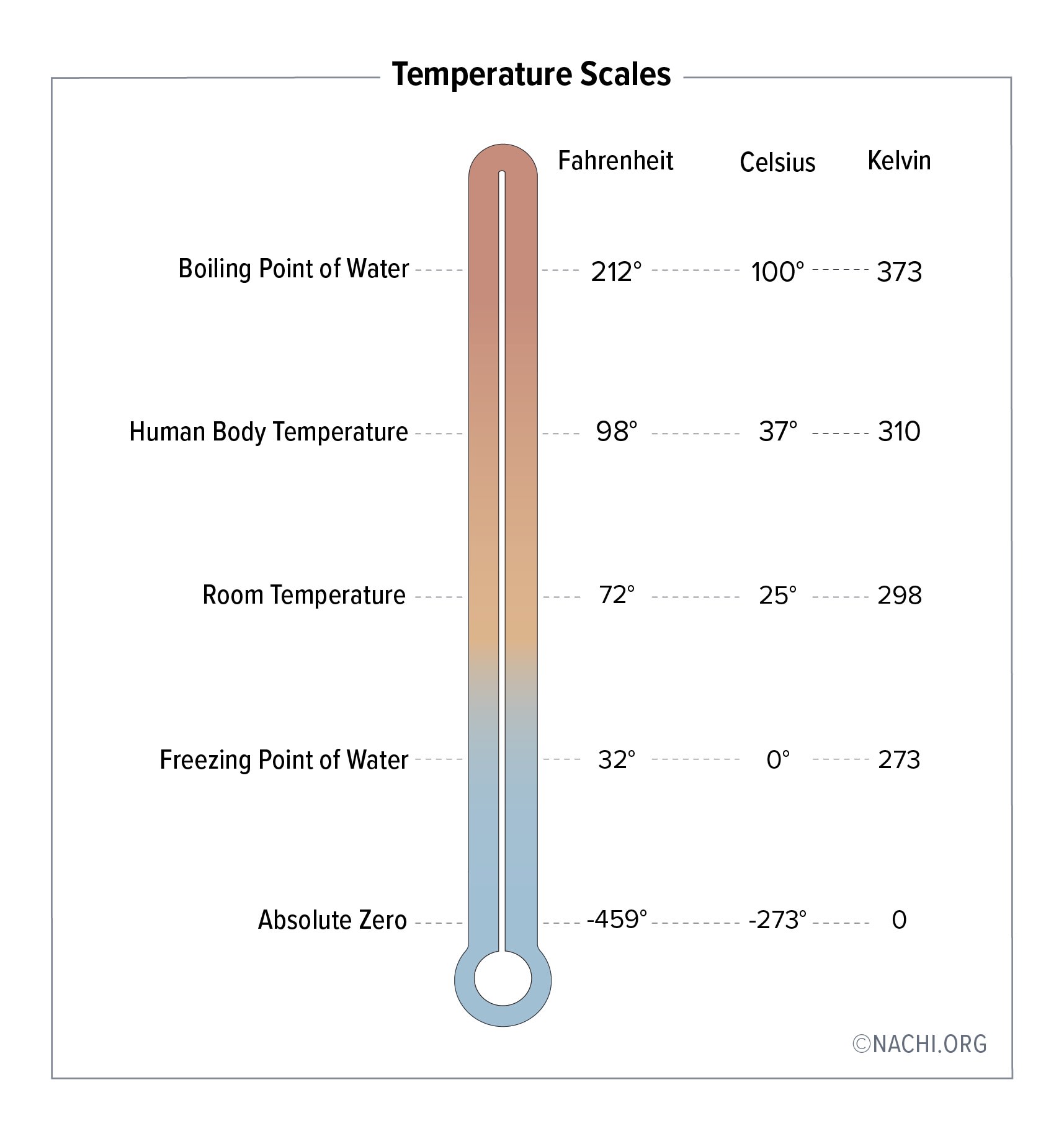
Navigating extreme seasonal variations requires more than just heavy winter coats and air conditioning. In eastern Iowa, the city of Dubuque experiences a humid continental climate defined by freezing winters and warm, humid summers. Over the course of a typical year, temperatures swing dramatically from sub-zero lows to summer highs that frequently cross the 80-degree mark. Managing these temperature shifts is a logistical challenge for infrastructure, municipal services, and local residents alike.
Beyond standard weather tracking, the municipality has built an award-winning reputation for urban resilience. Through community-wide policy planning, local leadership focuses on lowering greenhouse gas emissions, expanding urban tree canopies to combat urban heat islands, and managing heavy stormwater runoff caused by seasonal weather volatility. Understanding how the local climate operates and how the city adapts offers a blueprint for mid-sized Midwestern municipalities facing similar environmental pressures.
Understanding Seasonal Temperature Swings in Dubuque
The local climate shifts through distinct phases throughout the year. Winters are cold, windy, and snowy, while summers bring long stretches of warm, humid weather. Spring and autumn act as brief transition windows characterized by unpredictable weather patterns, rapidly shifting daily highs and lows, and variable precipitation.
| Season | Typical Temperature Range | Key Meteorological Traits |
|---|---|---|
| Winter | 10°F to 28°F | Heavy snow accumulation, freezing winds, sub-zero cold snaps. |
| Spring | 35°F to 65°F | Rapid temperature volatility, heavy rainfall, late frost threats. |
| Summer | 63°F to 83°F | High humidity, occasional heatwaves, peak convective rainfall. |
| Autumn | 40°F to 70°F | Clear skies, cooling trends, stable transition periods. |
Winter lows routinely drop below zero during heavy arctic outbreaks, putting pressure on local heating grids and emergency response teams. Conversely, summer months can experience intense humidity spikes, pushing heat indexes well past actual air temperatures.
Municipal Climate Strategy and the 2030 Plan
To address these vulnerabilities, the City of Dubuque Official Website established the Sustainable Dubuque framework. This initiative evaluates municipal decisions through a three-part lens: environmental integrity, economic prosperity, and social equity.
A core pillar of this framework is the 50% by 2030 emissions reduction target. The city aims to cut greenhouse gas emissions to half of their 2003 baseline levels. Achieving this target involves municipal building retrofits, expanding public transit options like the Jule bus system, and transitioning city operations toward renewable energy sources.
Managing Urban Heat and Expanding the Tree Canopy
Urban areas absorb and retain heat far more effectively than rural surroundings, creating a localized warming effect. To combat rising summer temperatures, the city runs neighborhood-level resiliency initiatives.
- Canopy Growth: Teams focus on strategic tree planting and long-term maintenance to shade asphalt surfaces and cool residential neighborhoods.
- Green Infrastructure: Permeable pavements and rain gardens help absorb solar heat while managing heavy downpours.
- Community Grants: Small project grants help local businesses and residents implement energy-saving and cooling modifications on private properties.
Infrastructure Resilience Against Weather Volatility
Swinging between heavy winter snow loads and intense summer storms stresses local infrastructure. Roads, bridges, and drainage systems must endure extreme freeze-thaw cycles. When water seeps into pavement cracks, freezes, and expands, it creates potholes and structural wear.
The engineering department uses advanced road salt management and optimized snowplow routing during winter to protect infrastructure while minimizing environmental runoff. During the wet spring and summer months, stormwater management systems are monitored closely to prevent urban flooding. Strategic watershed protection ensures that sudden heavy downpours don't overwhelm local creeks and the Mississippi River basin.
Common Mistakes in Cold and Hot Weather Preparedness
Residents and local planners alike can fall into traps when preparing for continental weather extremes. Avoiding these missteps ensures better safety and energy efficiency.
- Underestimating Spring Weather Swings: Assuming that a warm April day signals the end of freezing temperatures often leads to damaged landscaping and frozen residential pipes.
- Ignoring Humidity in Summer Efficiency: Relying solely on dry-bulb temperature readings rather than the heat index can leave homes vulnerable to indoor mold and inefficient cooling system usage.
- Neglecting Building Envelope Sealing: Failing to insulate against extreme winter lows forces heating systems to work overtime, driving up utility bills.
Frequently Asked Questions
What is the average annual temperature in Dubuque?
Annual temperatures typically range from a low near 39°F to a high around 58°F, though seasonal extremes push daily readings far outside these averages.
How does the city handle heavy winter snowfall?
The public works department utilizes real-time tracking, prioritized plow routes, and calibrated salt distribution to keep major thoroughfares clear during snowstorms.
What is the Sustainable Dubuque framework?
It's a community model that balances ecological health, economic growth, and social well-being to guide local policy on energy, climate adaptation, and conservation.
When is the warmest time of year in the area?
July is statistically the warmest month, featuring average highs of roughly 83°F and peak humidity levels.
For more details on local environmental policies, explore resources provided by the Iowa Environmental Council.


