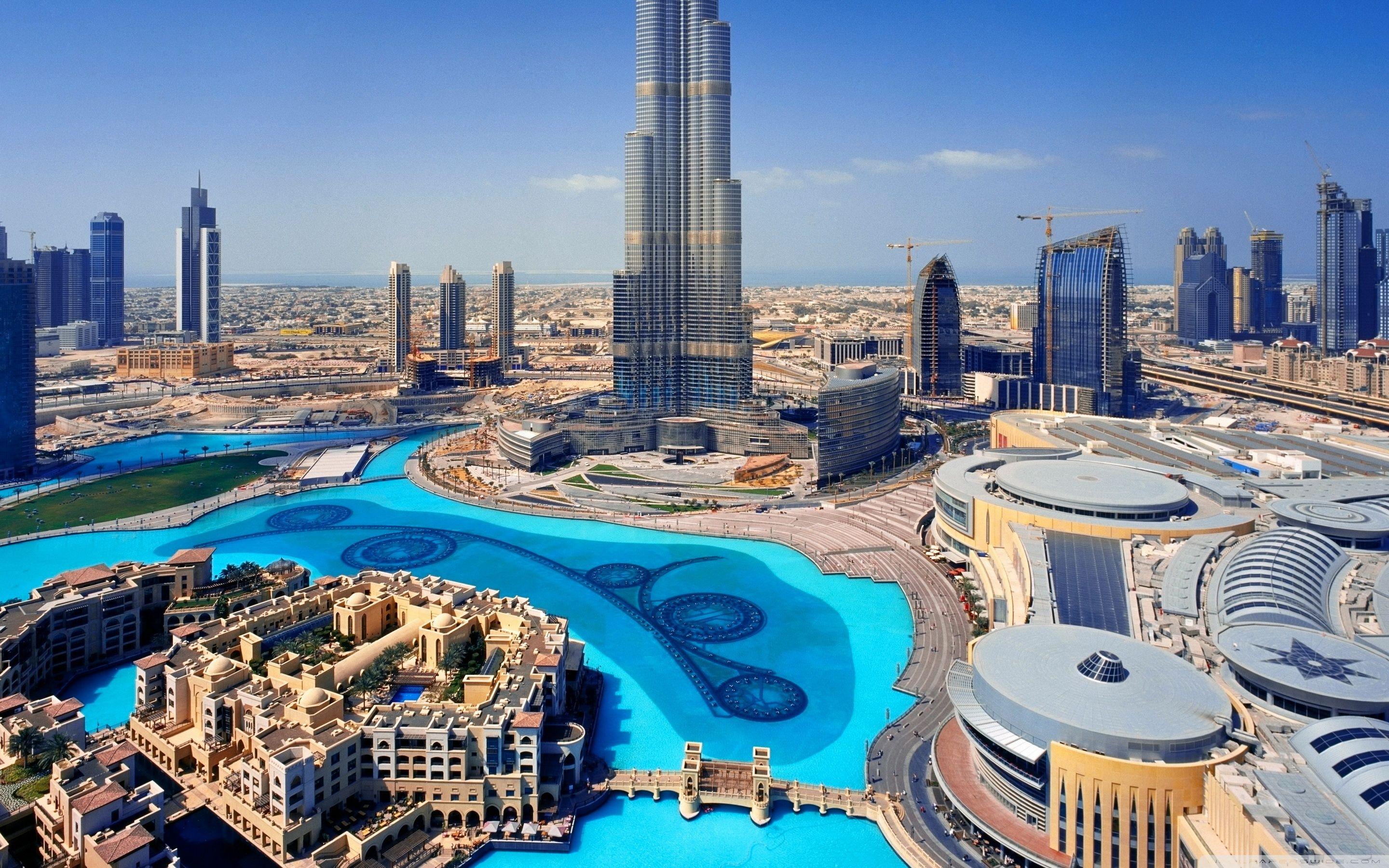
Mastering Dubai sunrise and sunset times transforms how you experience the city, whether you're chasing golden hour photography or planning outdoor adventures around the desert heat. In Dubai, sunrise ranges from roughly 5:33 AM in mid-June to 7:08 AM in early January, while sunset shifts from about 5:35 PM in winter to 7:13 PM in peak summer. Because the emirate sits at roughly 25 degrees north latitude, day lengths fluctuate by nearly three hours across the year, giving you distinct seasonal windows to plan your days effectively.
Beyond basic clocks, understanding twilight phases—civil, nautical, and astronomical—helps you capture the best lighting conditions and avoid midday UV exposure. This guide breaks down seasonal sun schedules, prime viewing locations, and practical strategies for making the most of Dubai's dawn and dusk cycles.
Seasonal Shifts in Dubai Daylight
Dubai's climate and sun schedules are tied closely to its position in the northern hemisphere. Summer brings long, intense daylight hours exceeding 13.5 hours, with the sun peaking nearly overhead at solar noon in June. Winter brings shorter, milder days of roughly 10.5 hours, accompanied by crisp mornings and pleasant evenings that draw residents outdoors.
Summer Sun Dynamics
During June and July, dawn breaks exceptionally early. Astronomical dawn begins around 4:10 AM, and the sun crosses the horizon near 5:33 AM. By 7:15 PM, the sun dips below the western horizon. Summer twilight periods are relatively crisp compared to higher latitudes, lasting about 28 minutes from the first edge of sunset to complete darkness. Planning outdoor activities requires shifting entirely to the early morning hours before temperatures spike.
Winter Sun Dynamics
In December and January, the rhythm slows down. Sunrise pushes back toward 7:00 AM, and sunset occurs around 5:35 PM. Twilight is slightly shorter here, averaging 27 minutes. Winter days offer comfortable daytime conditions, but evening twilight vanishes quickly, plunging the city into darkness shortly after 6:00 PM.
Decoding Twilight Phases for Photography and Planning
Standard clock times for sunrise and sunset only tell part of the story. If you're a photographer or an outdoor enthusiast, recognizing the three twilight phases unlocks the best windows for natural light.
- Civil Twilight: Occurs when the sun is between 0 and 6 degrees below the horizon. This phase provides enough natural light to see outdoor objects clearly without artificial illumination. Morning civil twilight in Dubai starts roughly 25 to 30 minutes before official sunrise.
- Nautical Twilight: Happens when the sun sits 6 to 12 degrees below the horizon. The horizon remains visible at sea, and the sky takes on deep indigo hues. It's an ideal window for moody cityscapes and long-exposure shots of coastal landmarks like the Burj Al Arab.
- Astronomical Twilight: Reaches 12 to 18 degrees below the horizon. The sky is largely dark, but faint scattered light remains visible. Astrophotographers use this window away from city light pollution, heading deep into the Dubai Desert Conservation Reserve.
Prime Locations to Watch Dawn and Dusk
Choosing the right vantage point depends on whether you want urban reflections, open ocean horizons, or rolling dunes.
Coastal Spots and Beaches
Jumeirah Public Beach and Kite Beach offer uninterrupted western horizons over the Arabian Gulf, making them premier spots for sunset watching. For sunrise, eastern-facing spots along Dubai Marina and Palm Jumeirah catch the early morning light reflecting off high-rise glass facades. You can check official municipal updates via the Dubai Municipality portal for coastal safety and access hours.
Elevated Architecture
Observation decks like At The Top on the Burj Khalifa or Dubai Frame provide sweeping panoramas of the urban sprawl catching the first rays of dawn or the long shadows of late afternoon. Arriving 45 minutes before sunset lets you watch the transition from harsh daylight through golden hour to the city's illuminated nightscape.
Desert Landscapes
For an authentic horizon untouched by skyscrapers, head out to the dunes surrounding Al Marmoom or the Dubai Desert Conservation Reserve. Watching the sun sink directly into the sand reveals dramatic color shifts across the dunes, moving from bright ochre to deep purple within minutes.
Common Mistakes to Avoid
- Relying on static schedules: Sun times shift by a minute or two almost daily. Checking real-time solar calculators on the day of your outing prevents you from missing peak lighting windows.
- Underestimating twilight speed: Because Dubai is relatively close to the Tropic of Cancer, twilight transitions are faster than they are in Europe or North America. Once the sun drops below the horizon, you have less than half an hour of usable ambient light.
- Ignoring atmospheric haze: High humidity or dust can mute golden hour colors. Clear winter days generally offer more vibrant sunsets than hazy summer afternoons.
Frequently Asked Questions
What time is golden hour in Dubai?
Golden hour occurs twice daily: roughly 30 to 45 minutes immediately following sunrise and immediately preceding sunset. Exact times vary by season, aligning with the shifting sunrise and sunset clocks throughout the year.
Does Dubai observe Daylight Saving Time?
No, the United Arab Emirates does not observe Daylight Saving Time. Standard time remains consistent year-round (GST, UTC+4), meaning sunrise and sunset times shift naturally across the calendar months based on the Earth's tilt.
Why does the sun set so quickly in Dubai?
Dubai's latitude near 25 degrees north means the angle at which the sun intersects the horizon is steep compared to northern latitudes. This steep descent shortens the duration of twilight, bringing nightfall faster once the sun crosses the horizon.
Where can I check precise daily sun coordinates?
Reliable astronomical tracking services like Time and Date provide exact daily solar noon, azimuth angles, and twilight durations tailored specifically to Dubai's coordinates.


