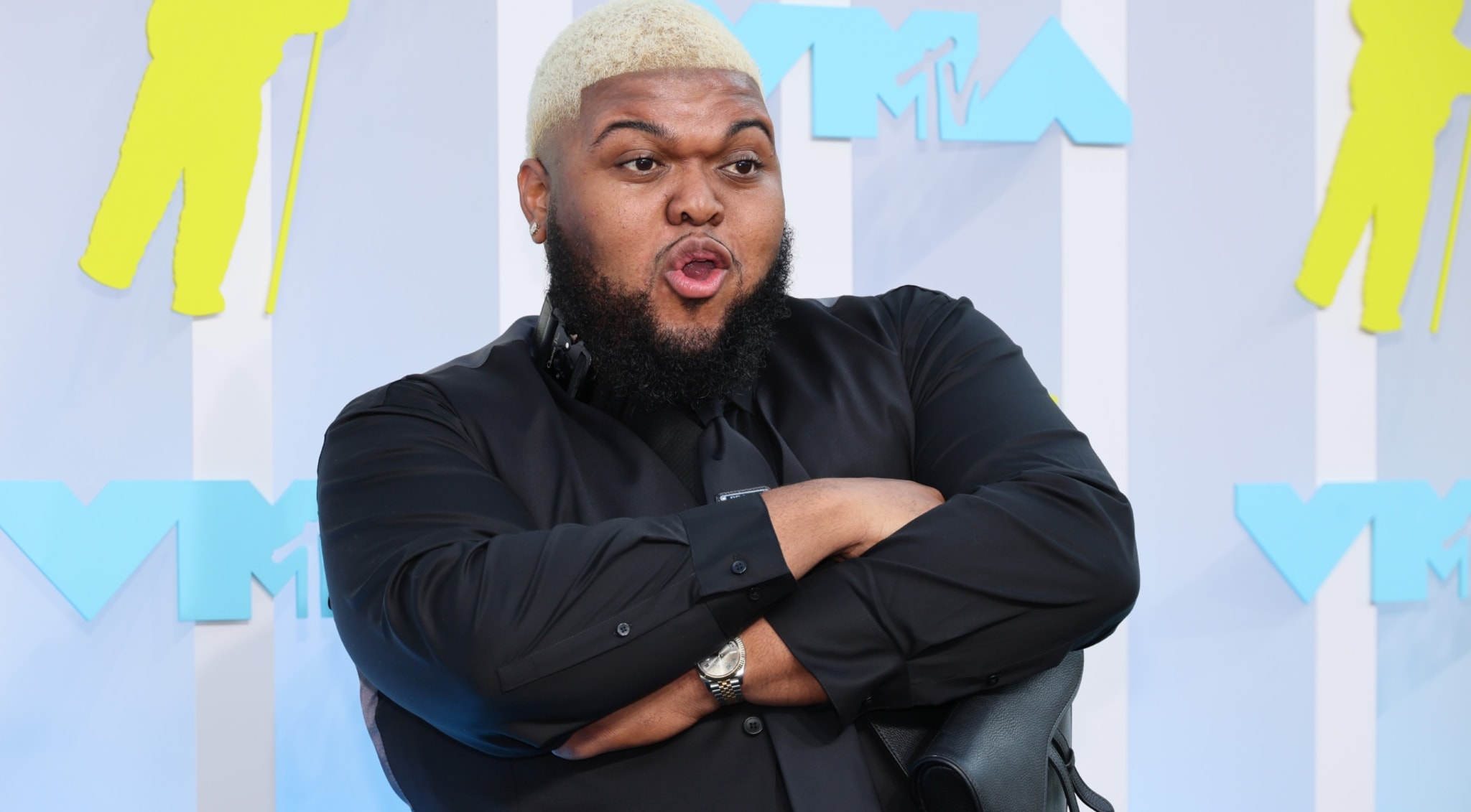
When comedian Drew "Druski" Desbordes steps into a new character, the internet stops to watch. From his viral megachurch pastor to his sharp political satires, the backbone of his comedy isn't just the punchline—it's the visual commitment. This form of quick-turnaround transformation bridges the gap between internet sketch comedy and professional immersive costume design, proving that a great outfit can sell a joke before a single word is spoken.
Comedic transformation relies on hyper-specific visual cues rather than traditional fantasy accuracy. Where conventional cosplayers spend months crafting armor from EVA foam, comedy costuming requires immediate cultural recognition. When an audience scrolls through social media feeds, they need to process the archetype in less than a second.
The Anatomy of a Comedic Transformation
Building a believable character for a two-minute sketch requires a precise blend of wardrobe styling, professional prosthetic makeup, and behavioral accessories. Unlike standard filmmaking where costumes support a dramatic narrative, sketch comedy costumes must weaponize stereotypes and cultural touchstones for instant comedic effect.
- Wardrobe Cues: Selecting clothing that screams a specific profession or subculture. Think oversized designer logos for fake pastors or crisp, patriotic pastel layering for political parodies.
- Makeup and Prosthetics: Utilizing contouring, wigs, and facial hair to age, alter, or shift ethnicity and gender presentation.
- Prop Integration: Using everyday items like oversized microphones, oversized bibles, or specific brand-name coffees to anchor the realism of the bit.
Decoding the Viral Look
When Druski debuted his viral conservative woman and megachurch pastor personas, social media reactions immediately zeroed in on the wardrobe department. Fans on platforms like X and YouTube pointed out that the makeup and styling did heavy lifting. Achieving that level of immersive fidelity in a compressed production timeline requires a streamlined workflow. As discussed in detailed coverage by E! News, the results are notable.
[ Concept Pitch ] ---> [ Wardrobe Sourcing ] ---> [ Specialty Makeup / Wigs ] ---> [ On-Set Adaptation ]
This rapid pipeline differs vastly from traditional Hollywood costume pipelines. Creators don't have months for fittings. Instead, stylists scour thrift stores, specialty wig shops, and fast-fashion outlets to pull pieces that exaggerate real-world subcultures.
Why Visual Satire Resonates Online
Immersive character design works online because modern audiences are visually literate. We recognize the aesthetic of specific internet subcultures instantly. When a costume hits the exact right notes—down to the specific cut of a blazer or the precise shade of a wig—it lowers the viewer's suspension of disbelief.
For example, when parodying high-energy religious figures or corporate gurus, the costume must look expensive yet slightly off. It walks a fine line between parody and documentary realism. If the clothes look too cheap, the viewer breaks character immersion. If they look too authentic, it stops being funny and becomes confusing.
Common Mistakes in Rapid Character Design
Creators attempting fast-turnaround character transformations often fall into predictable traps. Avoiding these pitfalls keeps the focus on the humor rather than distracting costume flaws.
- Overcomplicating the Look: Adding too many jokes into the outfit. A costume should anchor the character, not compete with the script.
- Ignoring Texture and Fit: Using Halloween-store quality fabrics that reflect light poorly on camera. Real fabrics read better on smartphone screens.
- Neglecting Grooming Details: Skipping facial hair blending, proper wig lace melting, or skin tone matching breaks the illusion instantly.
Frequently Asked Questions
How long does it take to design a viral sketch costume?
Most rapid-turnaround sketches go from concept to wardrobe sourcing within 24 to 48 hours. Stylists rely on off-the-rack tailoring and heavy alterations to hit deadlines.
Why do Druski's characters feel so realistic?
The realism comes from specificity. Instead of using generic clothing, the styling borrows exact markers from real-world subcultures, making the archetype immediately recognizable to internet audiences.
What is the biggest difference between cosplay and comedy styling?
Traditional cosplay focuses on replicating a fictional character with high accuracy over months of craftsmanship. Comedy styling focuses on hyper-exaggerating real-world human behavior and subcultures in a matter of days.
How do makeup artists achieve fast gender or age transformations?
Artists rely on high-grade lace wigs, precise contour mapping, and temporary facial hair applications that can be applied quickly and removed safely without harming the performer's skin.



