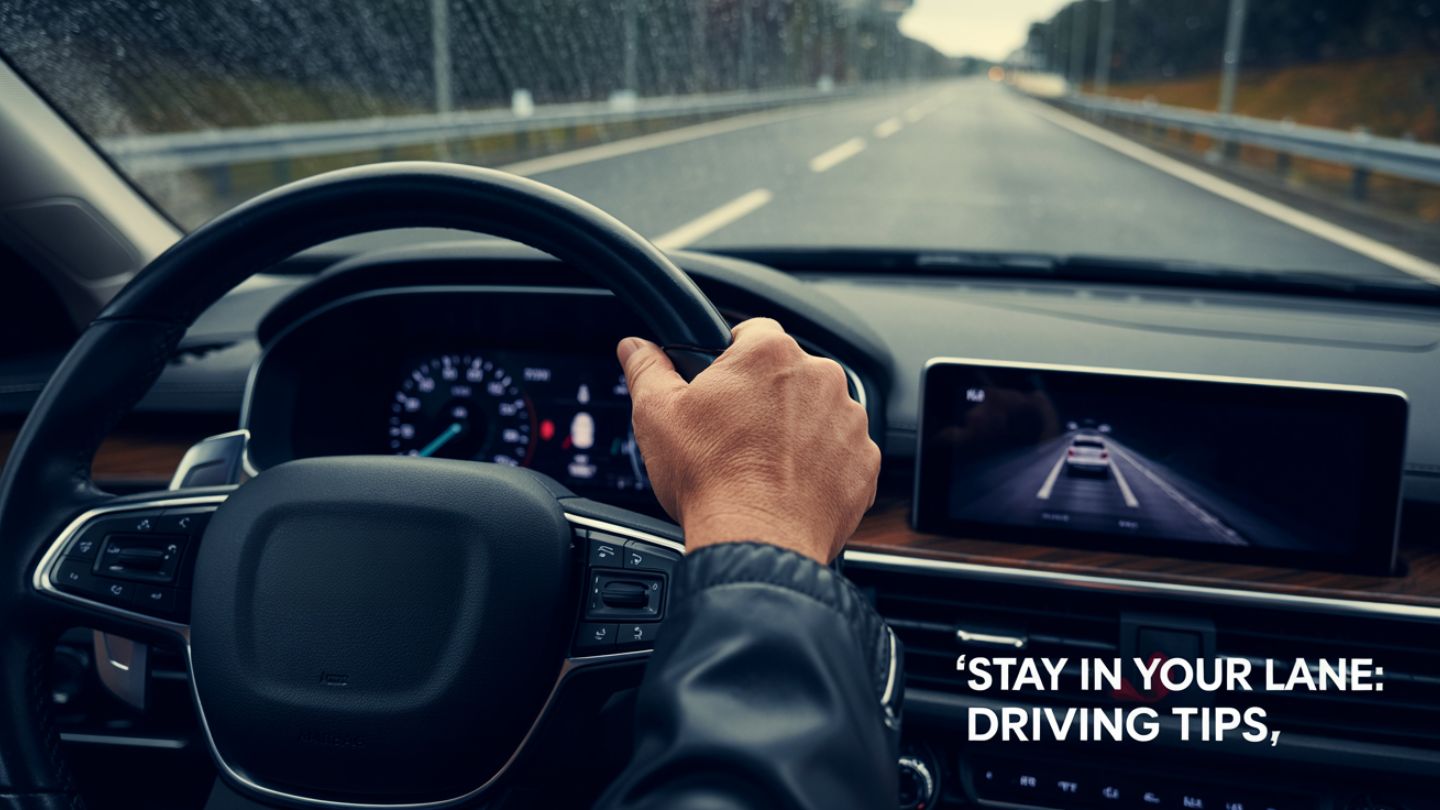
Navigating Interstate 84 requires respect for volatile microclimates, steep mountain grades, and sudden weather shifts. Whether you're crossing the Columbia River Gorge winds or climbing the Blue Mountains, changing conditions can turn a routine trip into a high-stakes drive. Knowing what to expect before you turn the ignition keeps you out of trouble.
This corridor demands constant attention because weather can change within a few miles. Dry pavement at lower elevations frequently shifts to packed ice and heavy snow near mountain summits. Preparation isn't optional here; it's the baseline requirement for staying safe.
Understanding the Primary Hazards on Interstate 84
Interstate 84 presents distinct geographic challenges across its stretches. Recognizing these threats helps you adapt your driving style before road conditions deteriorate.
- Columbia River Gorge Winds: High-velocity crosswinds batter high-profile vehicles, campers, and semi-trucks, often triggering travel restrictions.
- Blue Mountain Elevations: Mountain passes experience rapid temperature drops, turning light rain into black ice within minutes.
- Heavy Commercial Traffic: Large freight carriers share narrow lanes, requiring passenger cars to maintain predictable speeds and clean buffer zones.
- Limited Visibility: Dense valley fog and blowing snow obscure the roadway, cutting reaction times drastically.
Pre-Trip Planning and Real-Time Route Monitoring
Checking the weather forecast for your departure city isn't enough. You must monitor conditions across every elevation change you'll cross.
Start by checking official department of transportation resources, such as Oregon's TripCheck portal or Idaho 511, for live camera feeds and incident reports. Look specifically at pass reports rather than valley floors. If cameras show snow-packed lanes or chain requirements are active, delay your trip or pack your winter gear immediately.
Inspect your vehicle's core safety systems before leaving. Check tire tread depth, ensure windshield washer fluid is rated for freezing temperatures, and verify that your heater and defroster function properly. Pack an emergency kit containing heavy blankets, bottled water, non-perishable snacks, a flashlight, and a portable phone charger.
Driving Strategies for Mountain Passes and High Winds
When you encounter severe weather on I-84, standard driving habits won't cut it. You have to change how you handle inputs.
- Increase Following Distance: Double or triple your standard gap behind other vehicles. Stopping distances quadruple on slick surfaces.
- Avoid Abrupt Steering: Jerking the wheel on black ice breaks tire traction instantly. Make all steering and braking inputs smooth and gradual.
- Manage Speed on Descents: Shift into a lower gear to use engine braking rather than riding your brakes down steep grades like Cabbage Hill. Riding brakes causes overheating and sudden brake fade.
- Give Space to Snowplows: Never crowd a working plow train. Stay back and let them clear the path ahead.
If high winds hit the Gorge, grip the steering wheel with both hands and slow down. Reduce your speed so you have better control if a sudden gust catches your vehicle.
Common Mistakes to Avoid
Drivers often make predictable errors when faced with adverse interstate conditions. Avoiding these pitfalls keeps you moving safely.
- Relying solely on four-wheel drive to stop your vehicle. Four-wheel drive helps you go, but it doesn't help you stop on ice.
- Ignoring chain laws or carrying unverified equipment. State police ticket drivers who bypass chain control checkpoints without proper tires or devices.
- Driving with obstructed windows or lights. Clear all snow and ice completely from your roof, hood, headlights, and windows before entering the highway.
- Overcorrecting during a skid. Look where you want to go and steer gently in that direction instead of slamming on the brakes.
Frequently Asked Questions
How do I know if chains are required on I-84?
State transportation agencies post electronic overhead signs and update mobile apps when chain restrictions take effect. You can also view live status updates on portals like TripCheck before you reach the mountain passes.
What should I do if my car gets stranded on the interstate?
Stay inside your vehicle and call for roadside assistance or emergency services. Turn on your hazard lights, run the engine sparingly to maintain heat while keeping the exhaust pipe clear of snow, and wait for official rescue crews.
Are there alternative routes if I-84 closes?
Alternative routes exist, such as state highways or secondary roads, but they often feature narrower lanes, steeper grades, and lower maintenance priorities during winter storms. Always check if those alternatives are actually open before diverting.
Why do semi-trucks pull over at designated chain-up areas?
Commercial drivers are legally required to install tire chains before entering restricted mountain zones. Pulling over prevents them from losing traction midway up a steep grade and blocking all lanes of travel.



