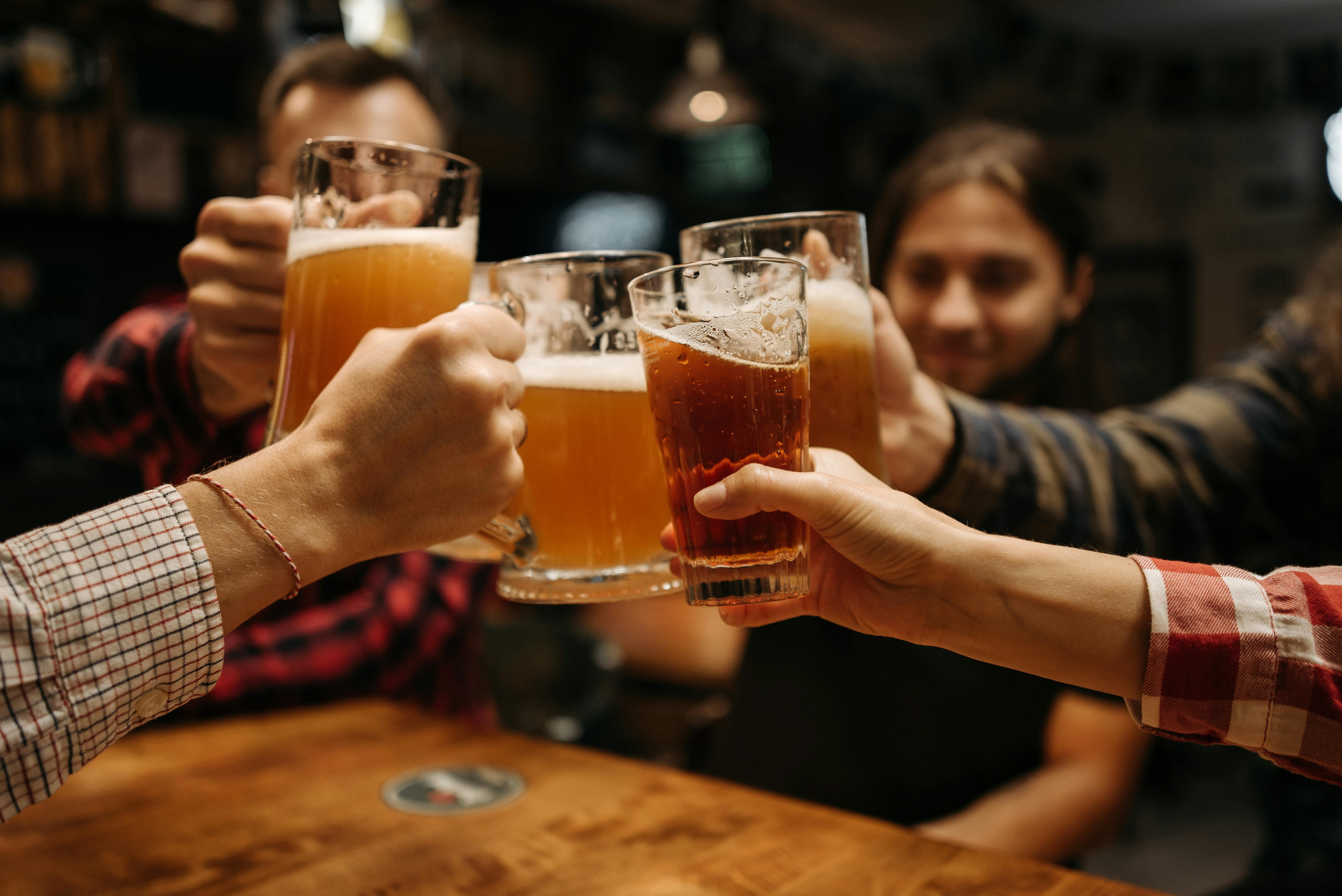
Vietnam has a written legal drinking age of 18, but the reality on the ground looks entirely different. If you walk down a busy street in Hanoi or Ho Chi Minh City, you'll see teenagers and young adults sharing cold beers at plastic sidewalk tables without a second glance from local authorities. While commercial restrictions exist on paper, actual enforcement remains remarkably lax, making the country one of the most relaxed environments for alcohol consumption in Southeast Asia.
Understanding how these regulations function requires looking past official statutes to see everyday cultural practices. Travelers, expats, and young visitors often find themselves confused by the gap between statutory law and daily custom. This guide breaks down the actual legal framework, how enforcement works in practice, and what you need to know about purchasing or consuming alcohol across the country.
The Official Law on Paper
Vietnam introduced stricter legislative frameworks through the Law on Prevention and Control of Harmful Effects of Alcoholic Beverages, which took effect in recent years. Under this legislation, the legal purchasing age is set at 18. Retailers, bars, and restaurants are legally prohibited from selling or supplying alcoholic beverages to anyone under 18 years old.
The law also targets public health concerns by restricting where alcohol can be sold and consumed. Drinking is banned in or near specific public zones, including: Lonely Planet has analyzed this critical issue in great detail.
- Healthcare facilities and hospitals
- Educational institutions during school and working hours
- Recreation centers, parks, or facilities primarily catering to minors
- Government offices and correctional facilities
Beyond age limits, the government regulates marketing and operating hours for certain venues. Nightclubs and late-night bars often face localized curfews depending on the municipality, though major tourist hubs like Bui Vien Street in Ho Chi Minh City or the Old Quarter in Hanoi operate with considerable leeway.
Enforcement Reality Versus Statute
If the law states that buyers must be 18, why do many travelers report an entirely different experience? Enforcement is the missing link. Local convenience stores, corner shops (tiạp hóa), and casual street-side beer stalls (bia hơi) rarely ask for identification.
Several factors explain why carding is almost non-existent:
- Cultural normalization: Alcohol, particularly beer and rice wine, occupies a central place in social gatherings, business meetings, and family meals. It's common for older family members to offer a sip of beer or wine to younger relatives during celebrations.
- Low priority for police: Local law enforcement focuses heavily on major public disturbances, traffic safety, and drug offenses rather than checking the ages of patrons inside casual dining or drinking establishments.
- Informal commerce: A massive share of alcohol sales happens through small family-run businesses where customer relationships override strict compliance tracking.
Upscale international hotels, high-end rooftop lounges, and strict Western-style clubs in major cities occasionally check IDs for younger-looking patrons. However, this is usually driven by corporate liability policies rather than aggressive government audits.
Purchasing Options and Local Drinks
When you buy or order alcohol in Vietnam, you'll encounter a distinct ecosystem of local brews and imports. Prices are remarkably low, which adds to the accessibility for anyone walking into a shop.
Bia Hoi
Bia hoi is fresh, unpasteurized draft beer brewed daily and delivered to thousands of corner stalls across the country. Sold for pennies a glass, it represents the backbone of Vietnamese working-class social life. You sit on low plastic stools, order small plates of local snacks, and drink beer straight from the keg.
Rice Wine (Ruou)
Traditional rice wine (rượu trắng or rượu đế) is brewed locally in rural provinces and served widely at family dinners and regional restaurants. It packs a high alcohol content and is often infused with medicinal herbs, snakes, or scorpions. While commercial bottles are found in supermarkets, home-brewed varieties are traded freely without packaging labels or age warnings.
Commercial Beers and Spirits
Saigon Beer (Sabeco), Hanoi Beer (Habeco), and Tiger dominate the commercial market. Imported spirits and regional options like Korean soju are also widely available in supermarkets, convenience chains like Circle K, and local grocery stores that stay open late.
Drinking Etiquette and Social Norms
While buying a drink is easy, navigating local customs ensures you avoid cultural friction or dangerous situations. Vietnamese drinking culture revolves heavily around communal bonding and group toasts.
- The Toast: The universal toast is “Một, hai, ba, vô!” (One, two, three, cheers!), followed by everyone drinking together. It is customary to match the pace of the group, though pacing yourself politely is always accepted.
- Respecting Elders: When drinking with older individuals, show respect by holding your glass slightly lower than theirs during a toast.
- Public Intoxication: While drinking heavily at casual venues is tolerated, extreme public rowdiness or aggressive behavior brings negative attention from locals and can draw police intervention.
For official public health guidelines and updates on local commerce laws, check the World Health Organization Vietnam portal or consult travel advisories on the Government of Canada Vietnam Travel Advice page for general safety updates.
Common Mistakes to Avoid
Travelers often make avoidable errors regarding alcohol use and safety in Southeast Asia. Keeping these pitfalls in mind will keep your trip smooth:
- Renting motorbikes after drinking: This is the single biggest hazard. Vietnam's traffic is chaotic, and police routinely set up roadside checkpoints (chốt công an) to test drivers for alcohol. Penalties for driving under the influence are severe, including heavy fines, vehicle impoundment, and potential detention.
- Trusting cheap home-brewed liquor blindly: While commercial brands are safe, extremely cheap unbranded rice wine from disreputable sources can occasionally contain harmful levels of methanol. Stick to reputable brands or busy establishments.
- Assuming Western carding standards: Don't expect bouncers to act like they do in North America or Europe. Do not take a lack of ID checks as a green light to behave recklessly.
Frequently Asked Questions
Can minors legally buy alcohol in Vietnam?
No. The written law sets the minimum age at 18 for purchasing and consuming alcohol. However, lack of enforcement means minors can frequently purchase drinks without being checked.
Do convenience stores check ID for beer purchases?
In the vast majority of local corner shops and 24-hour convenience chains, cashiers do not ask for identification unless a customer looks exceptionally young or causes a disturbance.
Is open container consumption legal on the streets?
Walking around with open containers is common in designated nightlife zones, tourist strips, and around sidewalk beer stalls. However, drinking openly in restricted civic zones like schools, temples, or government offices is prohibited.
What are the penalties for drunk driving in Vietnam?
Vietnam enforces strict zero-tolerance or low-threshold blood alcohol concentration limits for motor vehicle and motorbike operators. Police checkpoints carry heavy on-the-spot fines, license revocations, and possible vehicle seizure.


