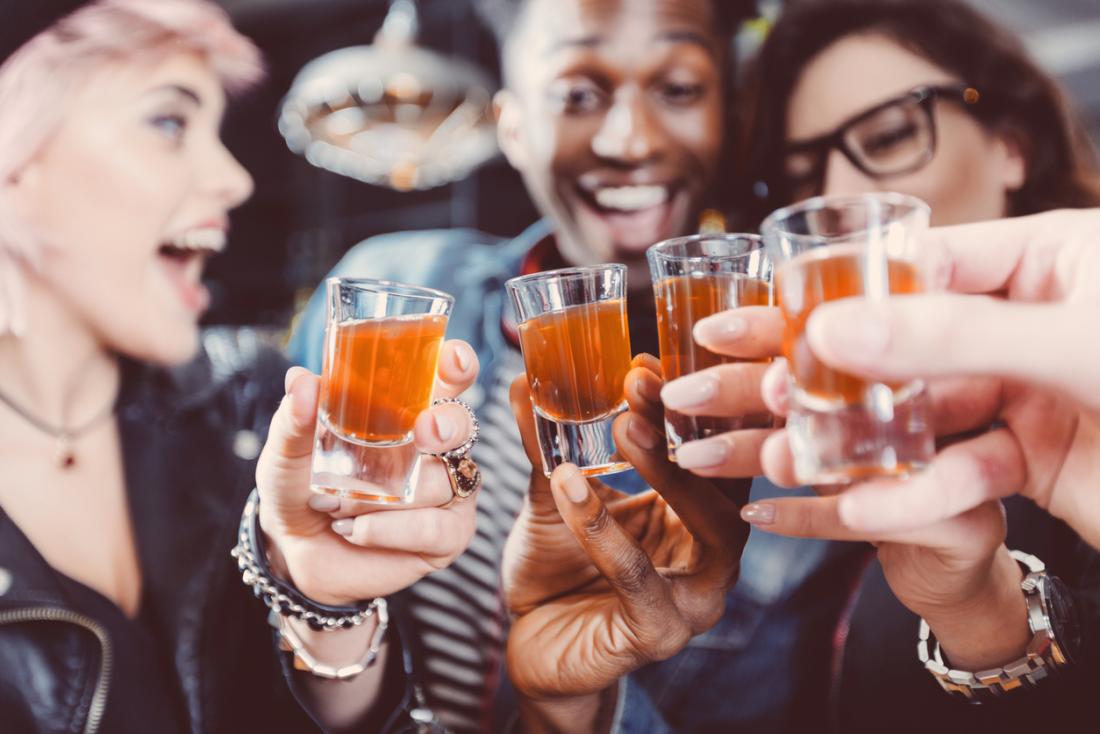
The legal drinking age in Puerto Rico is 18 years old. Because Puerto Rico is a United States territory, many travelers mistakenly assume that mainland U.S. federal laws or the 21-year-old minimum apply here. They don't. Under the Puerto Rico Internal Revenue Code, adults aged 18 to 20 can legally purchase, possess, and consume alcoholic beverages across the island.
However, navigating nightlife as an 18-to-20-year-old visitor involves more than just looking at the regional statute. Local venue rules, strict identification requirements, driving laws, and cruise ship regulations create a complex landscape that catches many tourists off guard. Knowing how these rules work prevents friction and keeps your vacation running smoothly.
Why the Drinking Age is 18 in Puerto Rico
Many visitors wonder how an American territory maintains an 18-year-old minimum when the rest of the United States mandates 21. The answer lies in how the federal government regulates drinking ages. In the mainland U.S., the Minimum Drinking Age Act of 1984 didn't directly outlaw drinking under 21; instead, it withheld a percentage of federal highway funds from any state that kept its limit below 21.
Puerto Rico, as an unincorporated territory, operates under its own territorial tax and civil codes. The federal highway funding leverage does not force the local legislature to raise the minimum age. Local lawmakers have historically maintained 18 as the threshold of legal adulthood, matching the age of majority for voting, signing contracts, and entering casinos. Under 13 L.P.R.A. Section 32565, merchants are strictly prohibited from selling or giving alcohol to anyone under 18, but adults 18 and older face no legal penalty for purchasing or consuming drinks. To explore the full picture, check out the recent report by The Points Guy.
ID Requirements and Enforcement Realities
Legally being able to drink at 18 doesn't mean bouncers and bartenders will wave you through without checking credentials. In fact, enforcement is rigorous.
Merchants and bartenders are legally required under local statute to demand a valid photo identification card with a date of birth from anyone who appears to be under 27 years old. If you look young, expect to be checked every single time you order.
- Acceptable ID: Bring a government-issued driver's license, state ID, or a valid passport. Digital photos of IDs on a smartphone or student IDs without birthdates are routinely rejected.
- Foreign Visitors: International travelers from countries where the drinking age is also 18 can use their home country passport. U.S. citizens from the mainland can use their state-issued driver's licenses without issue.
- Zero Tolerance for Fakes: Using a fraudulent ID to bypass venue rules carries severe legal consequences, including confiscation of the document and potential detention by local police.
Venue Rules vs. Territorial Law
A common point of confusion for 18, 19, and 20-year-old tourists is getting turned away at the door of a club or lounge after learning that the regional drinking age is 18.
You must distinguish between territorial law and private venue policies. While the government says 18 is legal, individual bars, nightclubs, and lounges—particularly in busy tourist districts like Old San Juan, Condado, and Isla Verde—frequently enforce private "house rules".
Many upscale lounges, trendy rooftop bars, and late-night clubs set a 21+ or even a 23+ door policy to curate a specific clientele or manage liability. If a bouncer denies entry to an 19-year-old, they aren't violating Puerto Rican law; they are exercising private business rights. Casual bars, beachfront kiosks, local restaurants, and supermarkets are generally much more accommodating to 18-to-20-year-old patrons.
Driving Laws and Blood-Alcohol Limits
Renting a car or driving a scooter while visiting requires strict attention to local traffic regulations, especially if you've been drinking. Puerto Rico's Vehicle and Traffic Law (Ley 22-2000) draws a sharp line based on your age:
- Drivers 21 and Older: The legal blood-alcohol concentration (BAC) limit is 0.08%.
- Drivers Under 21: Puerto Rico enforces a strict 0.02% BAC limit for anyone operating a motor vehicle who is under 21 years old.
For an 18, 19, or 20-year-old, a single standard cocktail, beer, or glass of wine can push your system over the 0.02% limit. Violating this law results in heavy fines, vehicle impoundment, and potential arrest. If you plan on enjoying the local nightlife, rely on walking in walkable districts, hiring local taxis, or using rideshare apps like Uber in the San Juan metropolitan area.
Cruise Ships and Port Rules
Many travelers arrive in Puerto Rico via cruise ships docking in San Juan. This introduces a unique set of overlapping rules that catch passengers off guard:
- On the Ship: Cruise lines that depart from U.S. ports universally enforce a strict 21-year-old drinking policy onboard their vessels, regardless of where the ship is sailing or docked. If you are 19 and onboard a cruise ship while it sits in San Juan harbor, you cannot purchase alcohol at the ship's bars.
- At the Port: Once you disembark and walk past the security gate onto Puerto Rican soil, local laws apply. An 18-year-old passenger stepping off the ship into Old San Juan can legally buy a drink at a local establishment, provided they carry proper identification and the venue permits entry.
- Returning Onboard: Cruise security checks bags at the gangway upon re-entry. Bringing local alcohol purchased on land back onto a ship where you are under the age limit violates cruise policy, and security will typically confiscate the bottles until the end of the cruise.
Common Mistakes Tourists Make
Visitors often run into trouble because they rely on assumptions rather than checking local facts. Avoid these frequent pitfalls:
- Assuming uniform club entry: Expecting every bar and club to let in 18-year-olds just because the regional law allows it. Always check a venue's website or social media pages for age restrictions before planning a night out.
- Leaving ID at the hotel: Stepping out for dinner without physical identification. Because merchants face strict penalties for serving minors, staff will rarely make an exception if you left your passport or license in the hotel safe.
- Misjudging transport: Driving after having a single drink while under 21. The 0.02% limit leaves almost no room for error.
- Forgetting mainland rules on the return flight: Assuming the 18 rule follows you home. The moment you clear customs or return to a mainland U.S. airport, the 21-year-old minimum applies instantly.
Frequently Asked Questions
Can 18-year-olds gamble in Puerto Rico casinos?
Yes. Casino gambling is permitted for adults aged 18 and older. While many resort casinos feature bars that require you to be 21 to drink, the gaming floors themselves admit anyone 18 or older with a valid government photo ID.
Will my U.S. driver's license be accepted to buy alcohol?
Yes. State-issued driver's licenses and identification cards from all U.S. states and territories are fully accepted across Puerto Rico. Passports are also accepted.
Are open containers allowed on the streets of San Juan?
It depends on the specific municipality and neighborhood. While some tourist zones allow casual walking with drinks during local festivals or specific blocks, Old San Juan and other municipalities have strict local ordinances regarding open containers in public spaces. Look for posted signage or ask local staff before walking outside with alcohol.
What happens if an adult buys alcohol for a minor under 18?
Providing alcohol to anyone under the age of 18 is a direct violation of the Puerto Rico Internal Revenue Code. It carries criminal penalties, fines, and potential jail time for the person who supplied the beverage.



