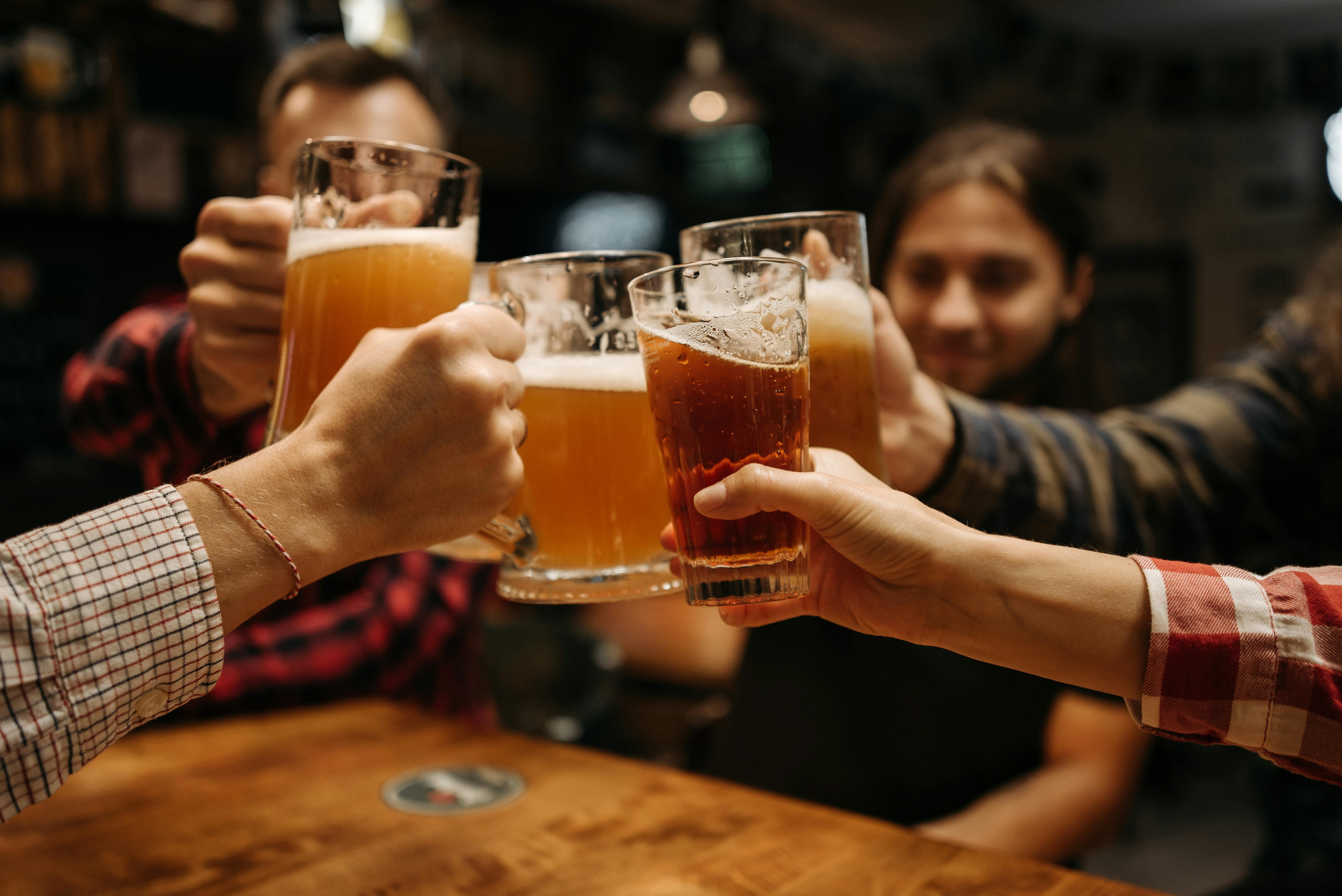
The legal drinking age in Puerto Rico is 18 years old. Because Puerto Rico is a U.S. territory, many travelers mistakenly assume the mainland's 21-year-old minimum applies, but local legislation sets the threshold at 18 for purchasing, possessing, and consuming alcohol. If you're 18 to 20 years old, the island offers a different legal landscape than the rest of the United States, though specific local restrictions, venue rules, and strict ID requirements still apply.
Understanding how these regulations work prevents unexpected trouble during your trip. While buying a drink at a beachside kiosk or local restaurant is legal at 18, navigating nightlife requires knowing the difference between territorial law and private business policies.
The Legal Framework: Why Puerto Rico is Different
Puerto Rico operates under its own territorial laws alongside federal U.S. statutes. In 1984, the United States Congress passed the National Minimum Drinking Age Act, forcing states to adopt 21 as the minimum age or lose federal highway funding. Because Puerto Rico is an unincorporated territory rather than a state, that specific highway funding leverage didn't force a change to its local statutes.
Under the Puerto Rico Internal Revenue Code (13 L.P.R.A. § 32565), it is illegal for any merchant to sell, serve, or give alcoholic beverages to anyone under 18. The law places the onus strictly on vendors, requiring establishments to check identification for anyone who appears younger than 27.
What 18-to-20-Year-Old Visitors Can Expect
Being legally allowed to drink at 18 doesn't mean every venue will open its doors. Travelers in this age bracket face a mix of permissive laws and restrictive private policies.
- ID Checks are Mandatory: Bartenders and store clerks routinely check government-issued photo IDs. Carry a physical driver's license or passport. Photos of IDs on phones are rarely accepted.
- Private Venue Rules: Many popular bars, nightclubs, and lounges in San Juan, Condado, and Isla Verde enforce strict 21+ or even 23+ door policies. These age minimums are private business decisions designed to curate a specific clientele, not government mandates.
- Casinos and Gaming: The legal age for entering casinos and gambling in Puerto Rico is 18 (15 L.P.R.A. § 77), matching the drinking age. Resort casinos welcome 18-year-olds to play tables and slot machines.
- Cruise Ship Conflicts: If you arrive via a cruise ship docked in San Juan, the ship's onboard policies apply while you are on the vessel. Most major U.S. cruise lines maintain a strict 21-drinking age policy globally, even when docked in ports where local laws permit 18-year-olds to drink.
Driving Under the Influence Rules
If you plan to rent a car or drive, the legal thresholds change dramatically based on your age. According to Puerto Rico's Traffic Law (Ley 22-2000), the blood alcohol concentration (BAC) limit is strict:
- Drivers 21 and Over: The legal BAC limit is 0.08%.
- Drivers Under 21: The legal BAC limit is 0.02%.
Because the limit for younger drivers is near zero, consuming even a single beer or cocktail can push an 18, 19, or 20-year-old over the legal limit. Penalties for driving under the influence include heavy fines, vehicle impoundment, and potential jail time. Utilize rideshare services like Uber in the San Juan metropolitan area or designate a sober driver.
Frequently Asked Questions
Can I bring alcohol back to the U.S. mainland if I am under 21?
No. Federal customs and state laws on the U.S. mainland enforce a 21-year-old minimum for possessing and importing alcohol. Even though you legally purchased the items while of age in Puerto Rico, you cannot transport them back to a U.S. state if you are under 21.
Can 18-year-olds buy alcohol in supermarkets and convenience stores?
Yes. Grocery stores (supermercados), local corner shops (colmados), and gas stations sell beer, wine, and spirits to anyone 18 and older. Cashiers will request a valid photo ID, so keep it accessible.
Are open containers allowed on public beaches and streets?
Regulations vary by municipality. While some beach towns permit relaxed consumption, many urban areas and specific beaches prohibit open containers of alcohol in public spaces. Always check local signage or ask your hotel concierge for the rules governing the specific beach or neighborhood you visit.
What happens if an underage minor is caught drinking?
Minors caught consuming or attempting to purchase alcohol illegally face municipal fines, mandatory alcohol education classes, or detention depending on the severity of the offense and local police enforcement.


